





China condemned Washington’s approval of its largest-ever arms package for Taiwan, framing the move as a serious escalation and warning of consequences
News Desk
BEIJING: China has imposed sanctions on 20 US defence companies and 10 individuals in response to American arms sales to Taiwan, escalating tensions between Beijing and Washington over the self-governed island.
According to report, the Chinese foreign ministry said the measures were taken after the US approved what it described as the largest-ever weapons package for Taiwan, a move that prompted strong protests from Beijing. The sanctions target US defence companies and individuals involved in supplying arms to Taiwan.
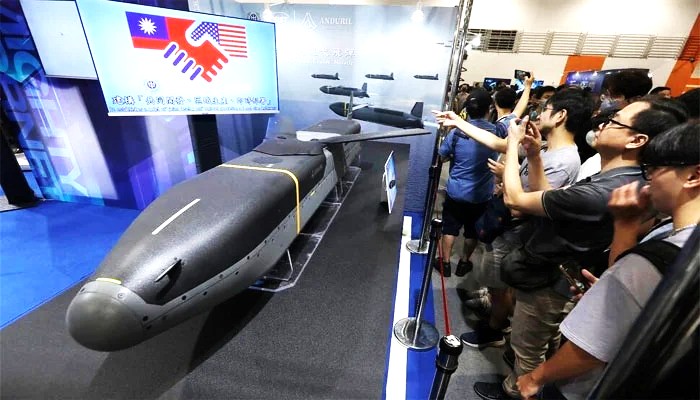
They include freezing any assets held in China and banning Chinese organizations and individuals from conducting business with those listed. Beijing has also imposed a complete entry ban on several senior executives, including the founder of defence technology firm Anduril Industries and nine other top executives linked to the sanctioned companies.
Among the firms named are Boeing’s St Louis division, Northrop Grumman Systems Corporation and L3Harris Maritime Services, all of which have been involved in defence contracts related to Taiwan, according to the Chinese statement. The move follows Washington’s approval last week of an $11.1bn arms package for Taiwan, which US officials described as the largest single tranche of military assistance to the island to date.
In a statement, a spokesperson for China’s foreign ministry said the Taiwan issue lay at the core of China’s fundamental interests and represented the “first red line” in US–China relations that must not be crossed. The spokesperson warned that China would respond firmly to what it called “provocative actions” and urged the US to halt what it described as dangerous efforts to arm Taiwan.
China claims Taiwan as part of its territory, a position rejected by the government in Taipei. The United States, meanwhile, is legally bound under its domestic law to help Taiwan maintain its defensive capabilities — a policy that has long been a source of friction between Washington and Beijing.
