





MM Report
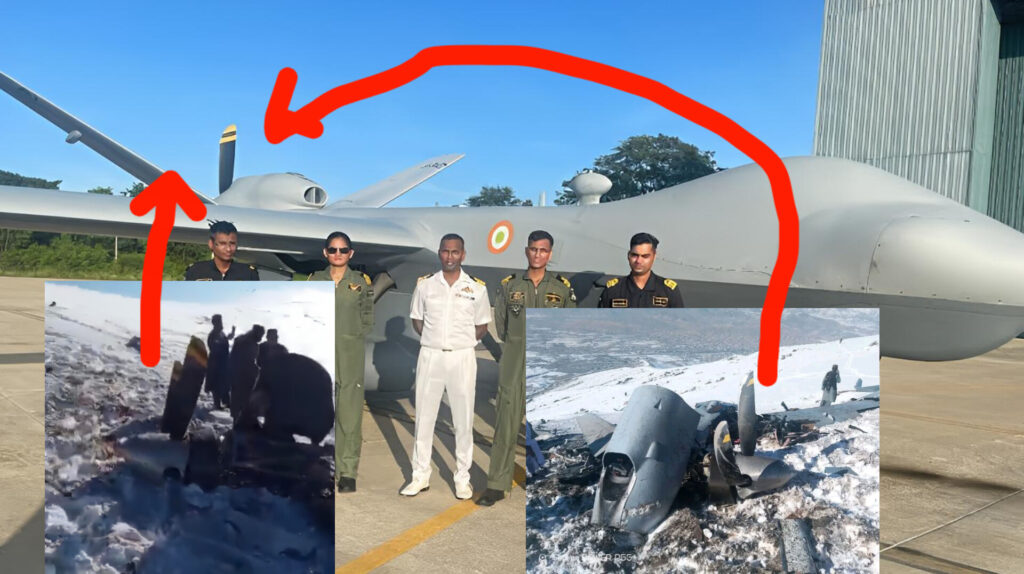
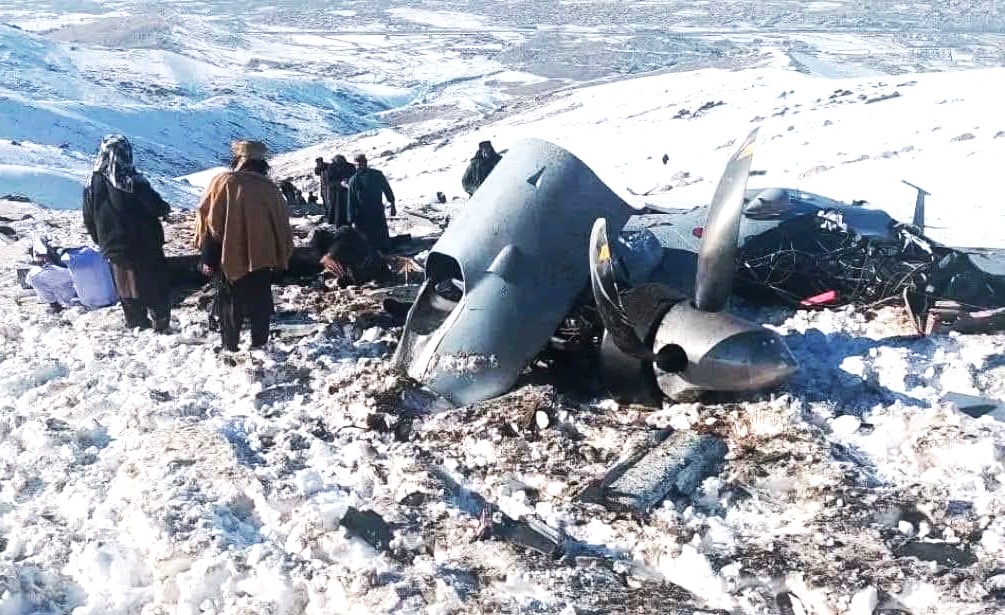
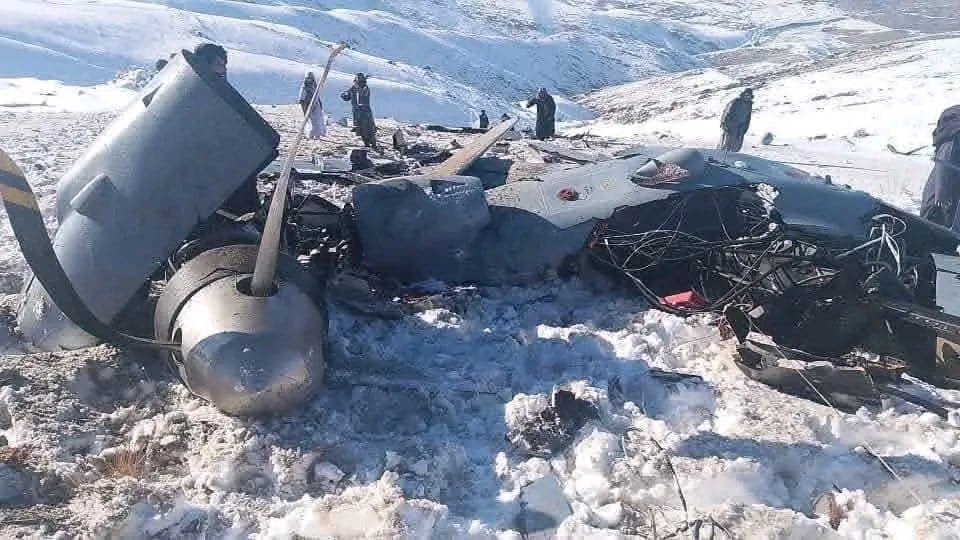
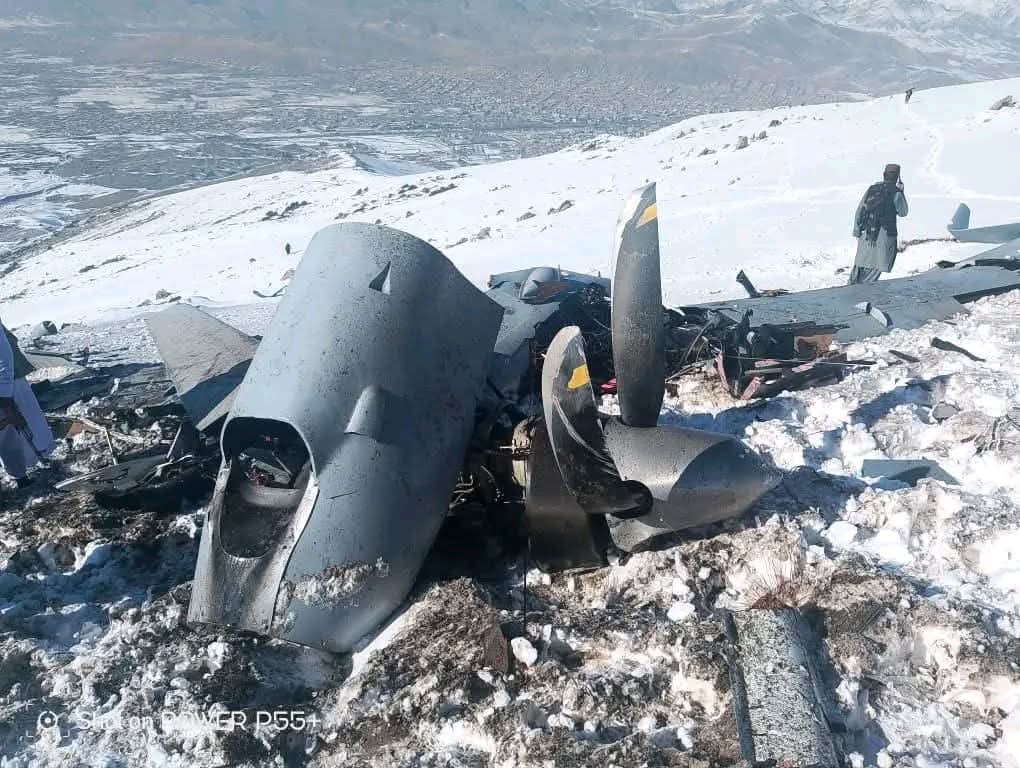
KARACHI: A video circulated widely on Telegram on Thursday intensified already fragile regional tensions after a local commander from Afghanistan’s Wardak province claimed responsibility for shooting down an Indian drone inside Afghan territory.
The commander, identified as Khalilullah, appeared in the video delivering a defiant message that was directed not only at India but also at Afghanistan’s own rulers, underscoring a widening circle of dissent in the country’s volatile security environment. Speaking directly to the camera, Khalilullah said Afghans would not tolerate what he described as foreign interference or covert activities carried out on their soil.
Meanwhile, some defence sources claimed that the Indian spy agency RAW has been monitoring the entire region through drones. They also claimed that India is involved in terrorist attacks on Tajikistan border, in which two Tajik soldiers lost their lives. The internatioanl community, including UN has raised serious question for such terror attacks but India successfully dealliened itself as entire blame came to Afghan Taliban.
Khalilullah accused India of engaging in actions that he said were harmful and destabilising, warning that any such presence would be met with force. The claim of a downed Indian drone could not be independently verified, but the video spread rapidly across social media platforms, fuelling speculation and concern among regional observers.
What made the message particularly striking was its sharp tone against the leadership of the Islamic Emirate. Khalilullah openly criticized senior figures, including the Taliban’s supreme leader, Amir Sheikh Hibatullah, suggesting deep frustration among some local commanders. His remarks hinted at grievances that go beyond external threats, pointing instead to growing unease with the way power has been consolidated in Kabul since the Taliban returned to control.
Analysts said the video highlighted the increasingly complex nature of Afghanistan’s internal dynamics, where discontent is no longer confined to political rivals in exile or armed resistance groups, but is also emerging from within local power structures. The simultaneous rejection of foreign involvement and criticism of the ruling authorities suggested a fractured landscape, in which loyalty to the central leadership could no longer be assumed.
The episode also risked adding strain to regional relations at a time when neighboring countries are closely watching developments inside Afghanistan. While there was no immediate response from Indian officials or the Taliban leadership, the video underscored how quickly isolated claims and online messaging can amplify tensions, complicating an already unstable security picture in the region.
