





By Mehrab Shah Afridi
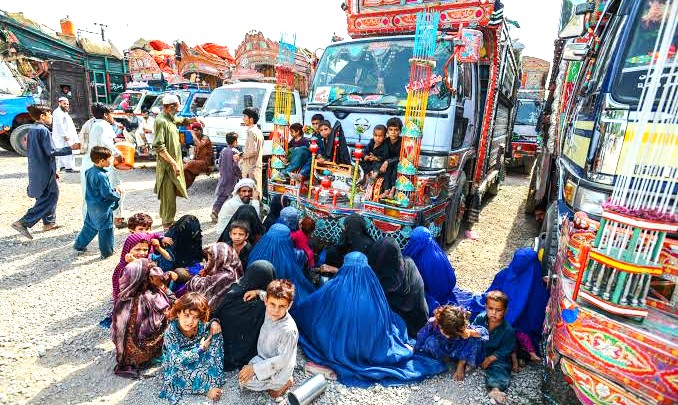
ISLAMABAD: Pakistan’s repatriation drive against Afghan nationals living in the country without legal status continued, as the Ministry of Interior said more than 680,000 people had so far been sent back across the border in a phased process that authorities described as ongoing and orderly.
According to official figures, a large number of those who returned held Afghan Citizen Cards or Proof of Registration documents, while others were categorised as having no valid papers. Officials said the repatriations had taken place from different parts of the country and were being carried out in stages, with priority given to documentation status and logistical arrangements at border points.
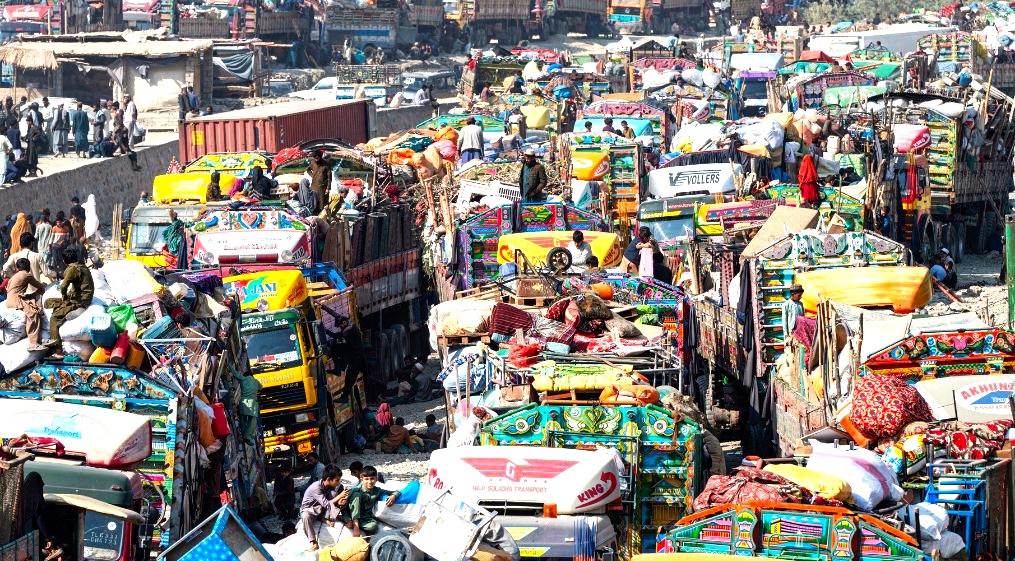
On the previous day, dozens of Afghan nationals were returned through the Torkham border crossing, one of the busiest routes between Pakistan and Afghanistan. Authorities said the process involved coordination between civil administration, law enforcement agencies and border officials to ensure that departures were managed without disruption. Temporary holding facilities and transport arrangements had been put in place to avoid overcrowding and to maintain basic services during the movement of people.
Interior ministry officials maintained that the policy was part of a broader effort to regulate immigration and enforce existing laws, insisting that the campaign was not aimed at any particular community but focused on undocumented residency. They said those with valid legal status were not being targeted and reiterated that the government had announced the policy well in advance to allow people to make arrangements.
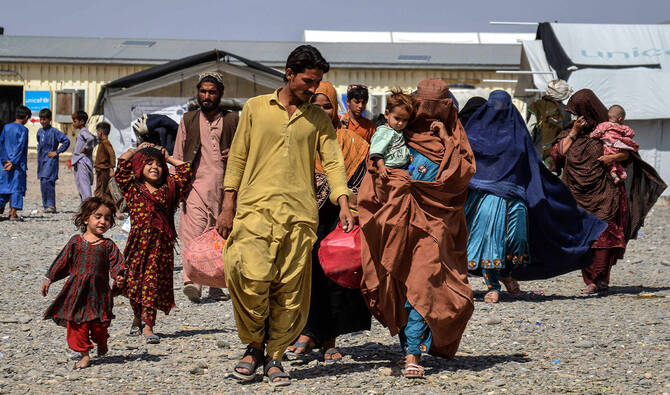
The repatriation drive has drawn attention beyond Pakistan’s borders, with officials pointing to similar actions under way elsewhere. In Turkey, authorities have stepped up enforcement against undocumented migrants over the past year, resulting in the arrest of a large number of Afghan nationals as part of a wider crackdown on illegal migration.
Regional analysts said the movement of Afghan refugees and migrants remained a sensitive issue, shaped by economic pressures, security concerns and the continuing instability in Afghanistan.
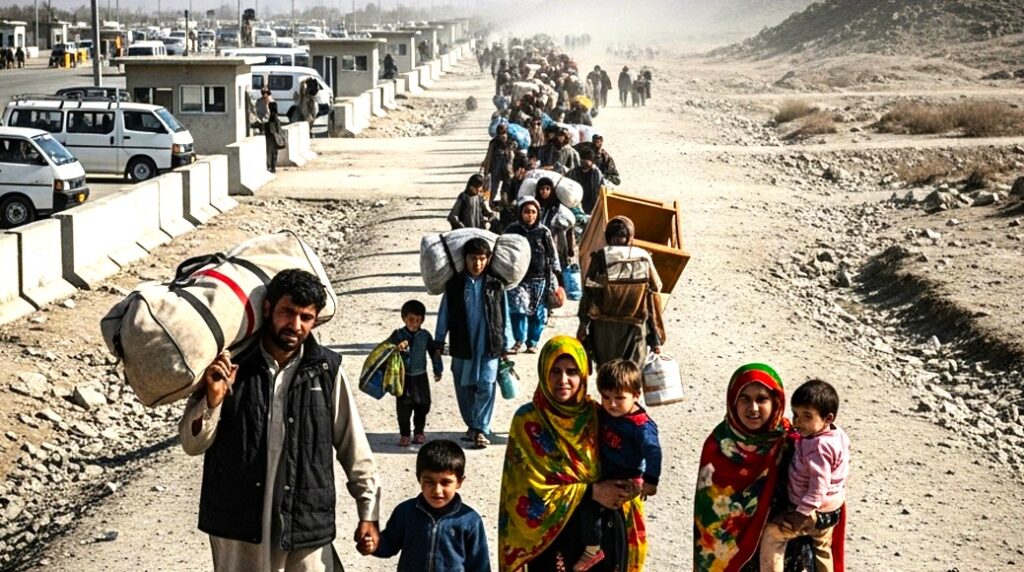
Humanitarian groups have repeatedly urged governments to ensure that returns are conducted with dignity and access to basic assistance, particularly for vulnerable families.
For now, Pakistan’s interior authorities said the repatriation process would continue in phases, adding that border management and internal security considerations remained central to the government’s approach as it sought to balance enforcement with administrative control.
