





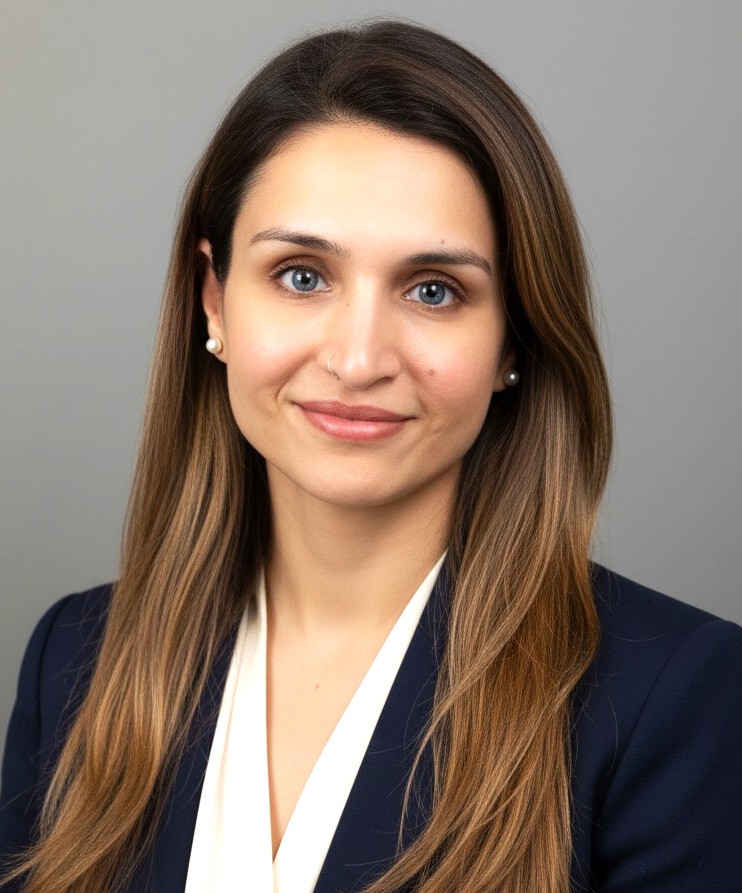
By Alia Zarar Khan
We often carry more weight than we can reasonably bear and end up questioning our decisions, holding ourselves accountable for the mistakes of others or for circumstances that were entirely beyond our control. This tendency frequently leads us to search for excuses and, in doing so, pull ourselves into even deeper trouble. However, what if we learned to think the other way around and accept what cannot be changed? The question then arises: how can something be beyond our control when we so often hold ourselves responsible for our decisions? This is where self-sabotage quietly creeps in, making us feel increasingly miserable. By self-forgiveness, I do not mean ignoring the pain or attempting to forget everything all at once.
Rather, it is about accepting the fact that, whether we were responsible or not, we acted with the knowledge and wisdom available to us at the time. As Rumi once observed, “The light enters where the wound is.” To allow that light to reach us, we must create a space free from judgement and learn to embrace our experiences with compassion. I have also realized that forgiving ourselves can sometimes be easier than forgiving others, as it does not require reaching out, explaining or justifying. Instead, we turn inward. It is a journey within, a private act of kindness and understanding that allows us to release what we have been carrying and to make space for growth and peace.
In an age defined by relentless scrutiny, both public and private, self-forgiveness has become a quietly radical act. Many people move through their lives carrying burdens that were never truly theirs to begin with, replaying moments shaped by circumstance, pressure or the choices of others. Over time, this habit of self-blame hardens into a way of thinking, leaving little room for growth or peace. Learning to forgive oneself is not about excusing harm or avoiding responsibility; it is about recognizing our shared human limits and choosing not to be imprisoned by them.
Self-forgiveness often begins with modest, deliberate practices rather than grand declarations. Accepting the past without judgement can feel uncomfortable, particularly in a culture that rewards perfection and punishes failure. Yet reflection, whether through journaling or quiet contemplation, allows us to see events more clearly and with greater fairness. Replacing harsh inner criticism with kinder, more measured language is not self-indulgence; it is an act of honesty. We are more than a single decision, a difficult period or a moment of weakness.
There is also a necessary distinction between who we are and what has happened to us, or even what we may have done. Sitting with difficult emotions, rather than suppressing or dismissing them, creates space for understanding. Emotional avoidance may offer short-term relief, but it often deepens long-term distress. Intentional self-care, whether through rest, routine or meaningful connection, reinforces the idea that our wellbeing matters, even when we feel undeserving of it.
Gratitude plays a quieter but important role in this process. Focusing on existing blessings does not deny hardship; it provides balance. Learning to go with the flow, accepting uncertainty as part of life, and reminding ourselves that painful phases do pass can soften the edges of regret and fear. These practices do not promise instant relief, nor should they. Self-forgiveness is slow work, requiring patience, repetition and compassion.
Progress is rarely dramatic. It appears in small shifts: a gentler thought, a moment of calm, a growing sense of acceptance. Over time, these moments accumulate, moving us closer to clarity and inner peace. Forgiving ourselves ultimately offers a form of closure that does not depend on approval from others. It allows us to tend to our own inner lives with care, extending the same generosity inward that we so readily offer outward. In choosing self-forgiveness, we begin a quieter, steadier journey towards self-love and compassion.
(The writer is a law graduate and advocate of the high court in Pakistan, currently based in Saudi Arabia, can be reached at editorial@metro-morning.com)
