





Khyber Pakhtunkhwa’s Chief Minister Afridi warned that despite driving the nation’s economy, his province remains persistently sidelined in federal funding

By Shaheen Hashim/Ahsan Mughal
KARACHI: Khyber Pakhtunkhwa’s Chief Minister, Sohail Afridi, publicly criticised what he described as a “stepmotherly” treatment of his province, claiming that despite other regions receiving their full National Finance Commission (NFC) allocations between 2018 and 2025, KP had repeatedly been denied its fair share.
Speaking at a press briefing at the Karachi Press Club, Afridi painted a picture of a province contributing significantly to the national economy while being consistently overlooked in federal disbursements. Afridi highlighted KP’s role in producing some of the cheapest electricity in Pakistan, energy that benefits the entire country, yet he said the province continued to face financial neglect.
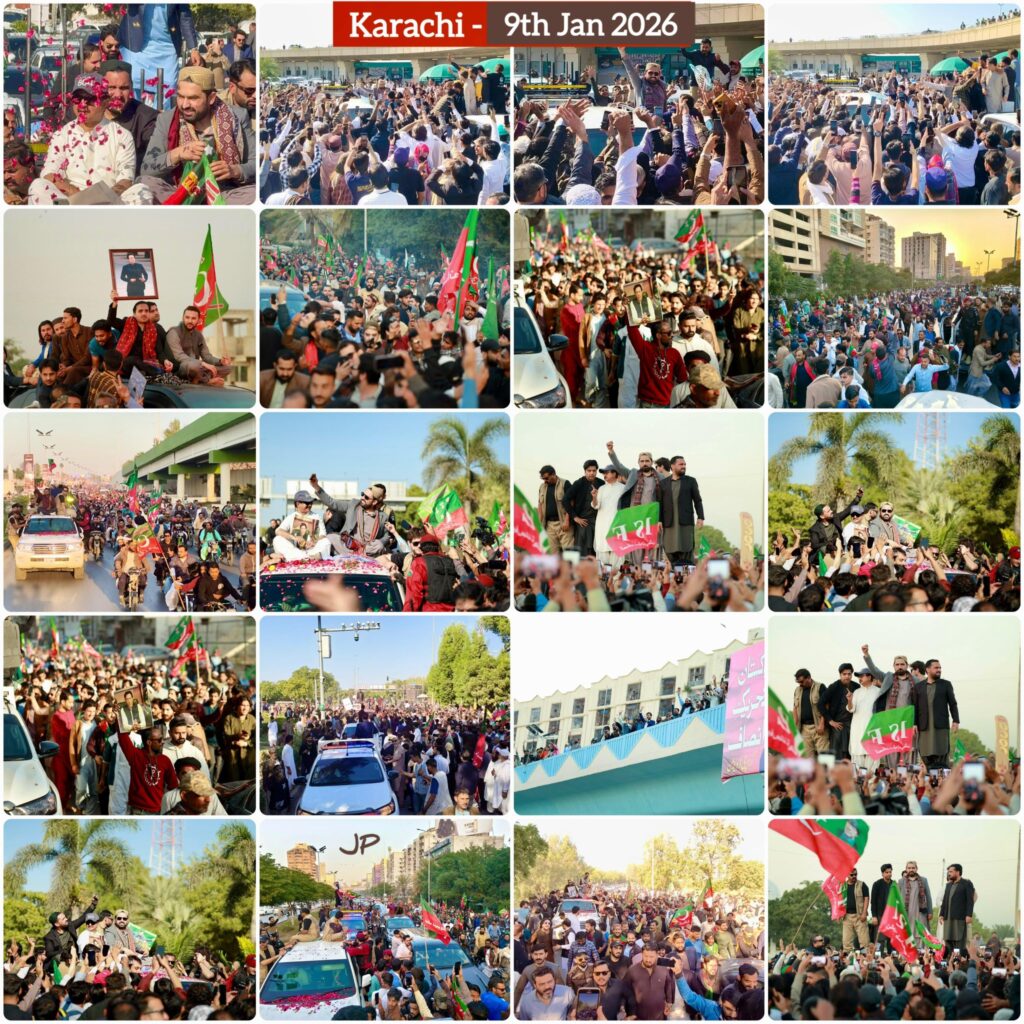
“We are delivering low-cost power that supports the national grid, yet our due funds remain withheld,” he said, framing the issue as not just a fiscal shortfall, but a broader question of recognition and respect for KP’s contributions. Reflecting on past visits to Punjab, Afridi said KP officials had often encountered a lack of cordiality, with some public spaces in Lahore reportedly closed to them.
The KP CM suggested that such treatment underscored the need for a clearer understanding of the constitutional and political limits that govern a chief minister’s engagement in national affairs. By contrast, Afridi noted, the Sindh Chief Minister had assured cooperation and appeared more welcoming.
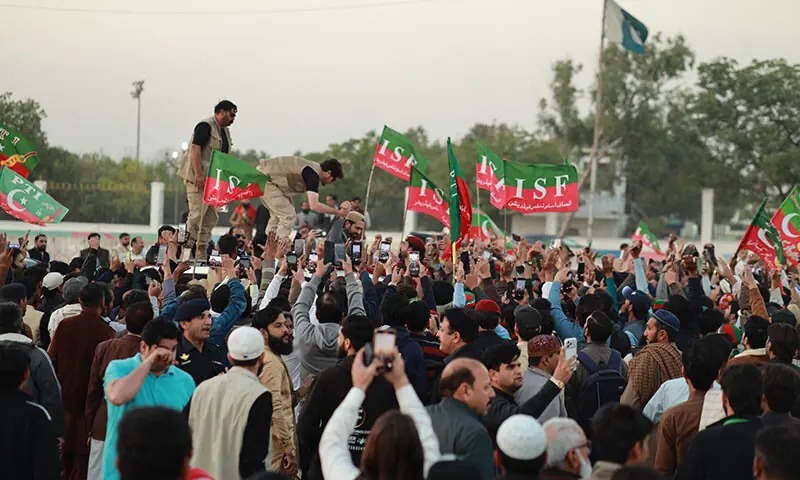
“The political culture in Sindh still reflects the legacy of Zulfikar Ali Bhutto and Benazir Bhutto,” he remarked, signaling both a critique and a gesture of cautious optimism about interprovincial relations. Beyond fiscal and political concerns, he drew attention to KP’s ongoing welfare initiatives under the federal Ehsaas program.
Afridi highlighted that citizens in the province had access to up to PKR 2 million in free medical treatment, demonstrating KP’s commitment to social development despite systemic financial constraints. The chief minister framed these initiatives as part of a broader effort to advance economic and social wellbeing, not only for KP but for the wider country.
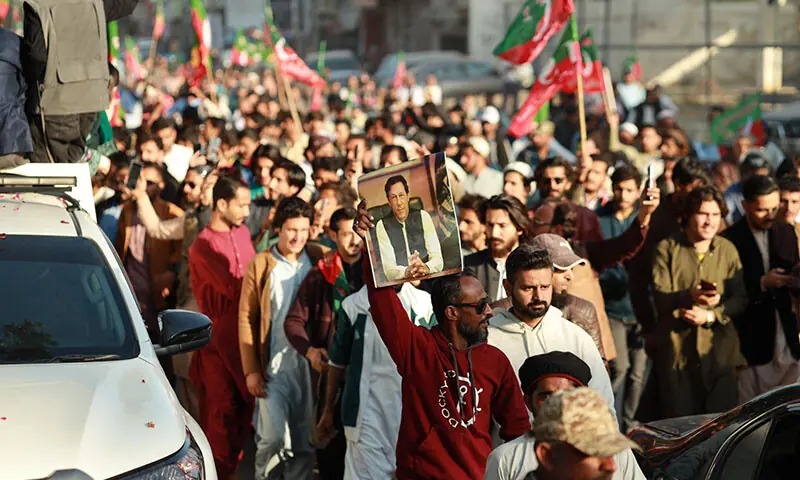
Afridi concluded by reiterating that KP continued to deliver low-cost electricity and vital social welfare benefits that supported the national interest. He urged the federal government to release the province’s due NFC share promptly, framing equitable treatment as a matter of both justice and national cohesion. His remarks offered a blend of critique, advocacy, and a call for cooperative federalism, positioning KP as a province that contributes substantially to Pakistan while demanding its fair share of recognition and resources.
