





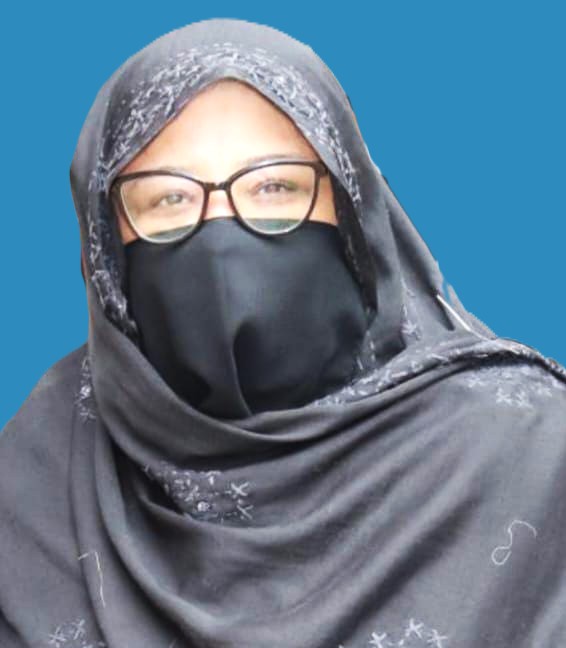
By Advocate Syeda Anam Sana Naqvi
Pakistan stands at a crossroads, witnessing a quiet yet significant transformation in the role of women in society. Education, professional opportunities, and the pursuit of independence have inspired many women to carve out lives on their own terms, pursuing careers, moving into cities, and living independently. Yet, this very assertion of autonomy brings with it an often invisible but deeply entrenched struggle—a struggle against societal suspicion, legal gaps, and systemic inertia that continue to undermine the safety and dignity of single working women. In a society still negotiating between tradition and modernity, these women occupy a precarious space: celebrated in theory but scrutinized in practice.
The social attitudes towards women who live alone are instructive of the broader cultural contradictions that shape Pakistan today. In many urban neighborhoods, the notion of a woman residing independently is often met with subtle disapproval or overt hostility. Gossip, intrusive questioning, and even character assassination have become almost routine experiences. The scrutiny is not only social but also psychological; it shapes the way women move through public and private spaces, how they engage with neighbors, colleagues, and landlords, and how they imagine their own futures. A woman living alone is frequently assumed to be vulnerable, morally lax, or socially transgressive—a perception that ignores her agency and reinforces a culture of intimidation.
These societal pressures are compounded by significant legal and administrative shortcomings. The Constitution of Pakistan enshrines equality and guarantees protection against harassment and exploitation, yet the implementation of these rights often falls short. Single working women encounter challenges that range from tenancy disputes and threats of eviction to harassment in public and private spaces. Even when complaints are lodged, the response from law enforcement is frequently indifferent, slow, or dismissive. Police stations, courts, and municipal authorities often operate without sensitivity to gendered vulnerabilities, leaving women without recourse or redress. The existence of laws against harassment, while necessary, is insufficient if mechanisms for their enforcement remain weak or inconsistent.
Housing remains a particularly acute problem. For a woman seeking independence, securing a safe and legally secure home is often a fraught process. Landlords may be reluctant to rent to single women, citing imagined risks or social disapproval. In many cases, women face harassment or intimidation aimed at forcing them out of their residences. Affordable and safe housing options—whether private or state-supported—are minimal, leaving women to navigate a landscape fraught with insecurity. This lack of safe spaces is not merely a personal inconvenience; it is a structural barrier to gender equality, constraining women’s mobility, economic participation, and sense of agency.
The responsibility to address these issues rests squarely with the state and its institutions. It is not a matter of charity or benevolence; it is a constitutional obligation. The government, judicial bodies, and law enforcement agencies must actively work to create environments where women can live and work safely. Tenancy laws, for example, should explicitly protect women against discriminatory evictions. Legal aid services and women’s helplines must be accessible, well-publicized, and responsive, providing practical support for those facing harassment or intimidation. Police officers, magistrates, and local administrators require gender-sensitivity training that allows them to understand and respond to women’s concerns with seriousness and empathy rather than dismissiveness. Beyond legal remedies, the state should also invest in infrastructure that supports women’s independence, such as secure hostels, women’s residences, and monitored housing complexes. These interventions are not abstract measures; they are concrete steps towards ensuring that the promise of constitutional equality translates into lived reality.
Cultural narratives, too, need to evolve. A woman living independently should be seen as a symbol of autonomy, resilience, and ambition rather than a subject of suspicion. Societies that champion gender equality recognize that women’s safety and independence are essential not only for their personal development but for the progress of the nation. Judgement, gossip, and social policing stifle potential, discourage participation in the workforce, and perpetuate cycles of dependency and vulnerability. By contrast, a society that supports its women cultivates talent, innovation, and civic strength. Respecting women’s choices—whether to marry, to remain single, or to pursue careers—is not merely ethical; it is economically and socially prudent.
The stakes are high. Single working women are not a social problem to be managed; they are a national resource whose contributions to education, health, entrepreneurship, and civil society are invaluable. Each obstacle they face—whether harassment, eviction, or legal neglect—is a reminder of the distance Pakistan still must travel to achieve genuine equality. Until women can live freely, work securely, and move confidently through public and private spaces without fear, the nation’s promise of justice, rights, and modernity remains incomplete.
(The writer is a lawyer by profession, writes about social issues and politics, can be reached at editorial@metro-morning.com)
