





By Mehrab Shah Afridi
ISLAMABAD: Federal Health Minister Mustafa Kamal has emphasized that ensuring access to quality medical care is a top priority, and that urgent measures are needed to prevent the spread of diseases.
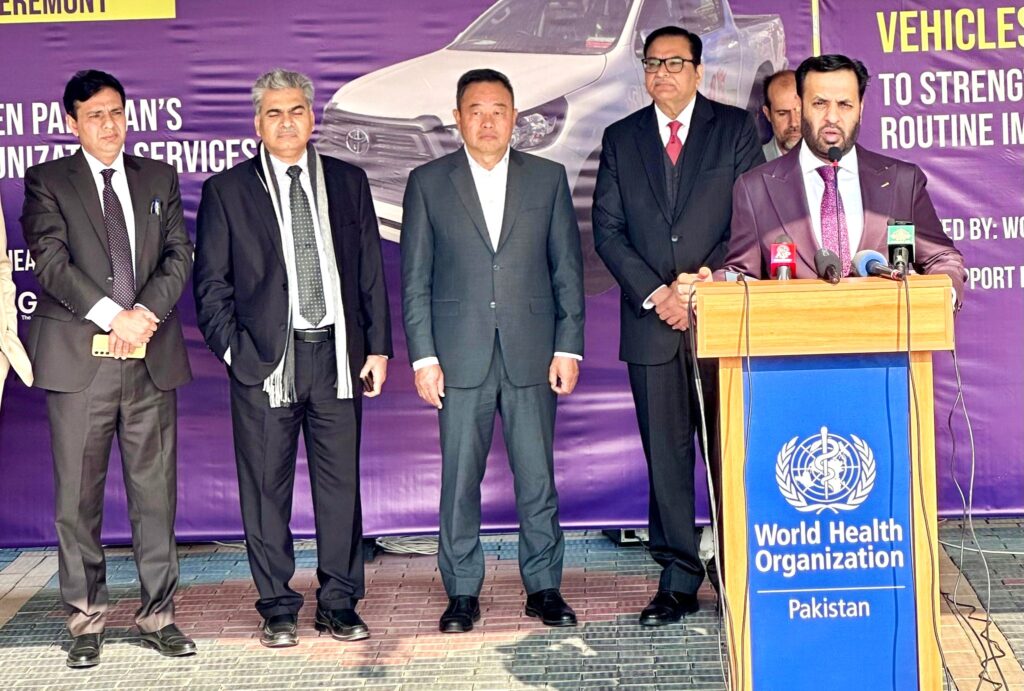
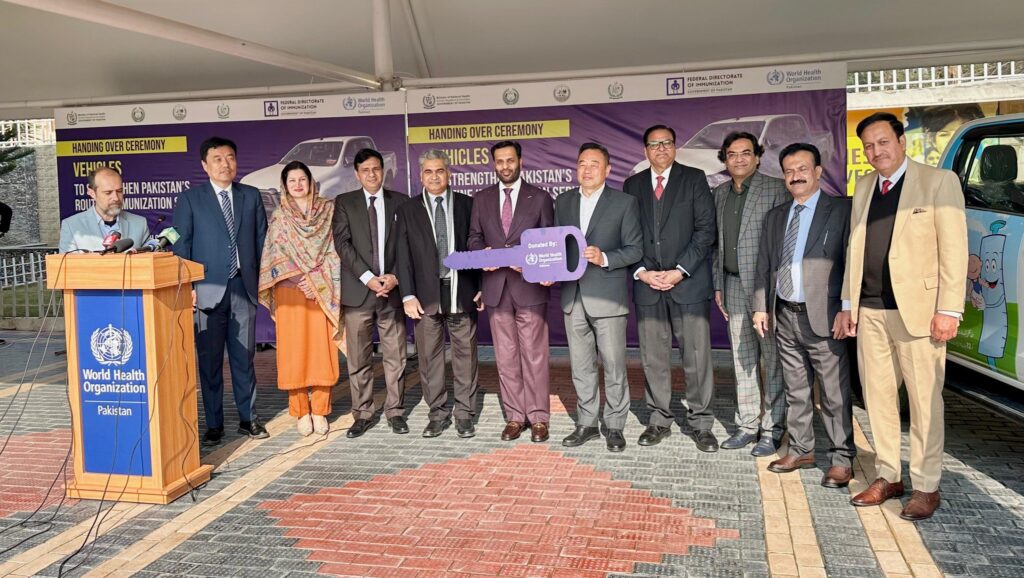
Speaking at a ceremony in Islamabad where vehicles were handed over by the World Health Organization, Kamal highlighted the pressures facing Pakistan’s healthcare system. “Our health sector faces multiple challenges, and the burden on hospitals and clinics must be managed more effectively. We are working to modernize the system, but that includes not only medical care but also sanitation and drainage,” he said.
Kamal stressed the importance of preventive measures, noting that vaccination and disease prevention are more effective than treatment. “Our polio eradication program will continue until polio is fully eliminated,” he said. He criticized the reactive approach to healthcare, arguing that waiting for patients to fall sick is not a viable strategy.
“If too many people fall ill at once, the health infrastructure collapses. COVID-19 showed even countries like the United States struggled to cope,” Kamal added. The minister also spoke about population growth, noting that 6.2 million children are born in Pakistan each year. “From birth to development, our ecosystem is far from ideal. Factors such as water, sanitation, and environmental conditions are contributing to disease,” he said.
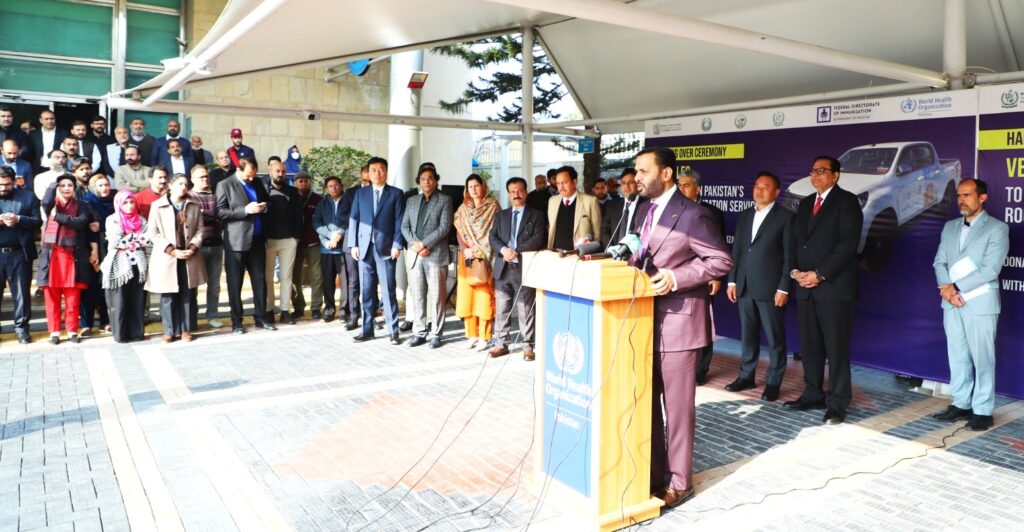
Highlighting the strain on hospitals, Kamal said: “Sometimes it feels like a political rally in hospitals, with patients streaming in and out. A single doctor may see 40 patients in a day, and people call daily asking for ventilators. This has become a national security concern.”
He concluded by noting that the WHO-provided vehicles will be deployed in remote areas to improve healthcare outreach and access for underserved populations.
