





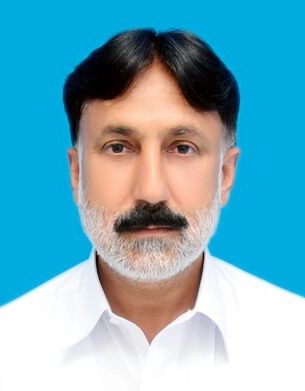
By Sudhir Ahmad Afridi
The nationwide strike called by opposition parties this week failed not because of government strength or coercion, but because of a profound and growing erosion of public trust. Across Pakistan, the streets remained largely silent, markets stayed open, and the wheel-jam protests that were supposed to paralyze daily life barely materialized. This muted response is not a reflection of indifference; it is the consequence of a deep disillusionment that has spread through every layer of the political landscape. Ordinary citizens no longer believe that politicians, judges, or institutions like the Election Commission act in the nation’s interest. Instead, they see self-interest, opportunism, and the pursuit of power as overriding any public duty.
The catalyst for this pervasive scepticism can be traced back to the rigged elections of 8 February. Form 47, which was reportedly used to determine winners and losers across constituencies, shattered any lingering illusions about the integrity of the electoral process. For many, the results confirmed what they had long suspected: that elections, in practice, do not always reflect the will of the people. The consequences have been profound, creating a climate where neither political participation nor civic activism inspires confidence. In such a context, a strike—even one organized by the country’s most prominent opposition parties—was always likely to struggle for traction.
Even the Pakistan Tehreek-e-Insaf (PTI), which remains the most popular political party in terms of public sentiment, could not mobilize the masses. The streets conveyed a clear message: Pakistanis are dissatisfied not only with the ruling government but also with PTI’s style of politics and its performance as the opposition. This dissatisfaction is not merely a critique of party leadership but a reflection of a broader pattern in the nation’s political culture. Voters have long been seduced by charismatic personalities, emotional slogans, and hollow rhetoric. Candidates often rise to power on promises rooted in the lived struggles of poverty, deprivation, and injustice, only to return as millionaires once elected.
The gap between election-day pledges and post-election reality has eroded the credibility of the entire political class, leaving the public sceptical of promises made, even by those they may otherwise support. Responsibility for the strike’s failure cannot be placed solely at the feet of PTI. All opposition parties, including the Jamiat Ulema-e-Islam led by Maulana Fazlur Rehman and other members of the Pakistan Democratic Movement, were implicated in organizing and promoting the protest. Yet even collective opposition could not overcome the public’s disillusionment. Nor does the lack of visible participation indicate satisfaction with the status quo. Pakistanis remain deeply anxious, their lives unsettled by inflation that erodes purchasing power, unemployment that limits opportunity, insecurity in Balochistan and Khyber Pakhtunkhwa, and the ongoing exodus of educated youth seeking a future abroad.
Their silence should not be mistaken for acquiescence; it is a quiet, simmering frustration, a sense that repeated promises of change have proven hollow. This disillusionment is as much a societal warning as it is a political one. The failure of the strike highlights a fundamental disconnect between the ruling class, the parliamentary opposition, and the citizens they claim to represent. For decades, politics in Pakistan has been dominated by spectacle, personality, and rhetoric, often overshadowing substantive policy discussion. Charisma and slogans have taken precedence over governance and delivery. The public has learned, through repeated disappointments, that protest and mobilization, while emotionally compelling, may achieve little if they are not accompanied by credible, actionable strategies for reform.
The current crisis of trust carries tangible risks. A population that no longer believes in its institutions is a population that is vulnerable to disillusionment, apathy, and, in the worst-case scenario, unrest. The silent streets and empty protests may seem like a temporary pause, but beneath this quiet lies a pressure that grows stronger by the day. Frustration, when unaddressed, has a way of erupting suddenly and violently, leaving consequences that are difficult to anticipate and even harder to manage. The metaphor of a dormant volcano is apt: the outward calm masks the intense pressure building beneath the surface. The lessons for Pakistan’s political class are urgent and non-negotiable.
(The writer is a senior journalist at tribal region, covers various beats, can be reached at editorial@metro-morning.com)
