





Rising attacks by TTP, Al-Qaeda, and ISKP expose Pakistan’s persistent security vulnerabilities, highlighting that the true challenge extends far beyond mere diplomatic posturing
By Amjad Qaimkhani
NEW YORK: The latest UNSC monitoring team report has reignited an old but unresolved debate: is Afghanistan once again becoming a safe space for militant groups, and what does that mean for Pakistan and the wider region?
The report challenges the Afghan Taliban`s claim that no terrorist organizations operate from Afghan soil. It states that groups such as TTP, Al-Qaeda and ISKP remain active, and that attacks against Pakistan have increased. The real issue, however, is not about scoring diplomatic points.
The core question is whether denial, blame and isolated military actions can address what is clearly a cross-border and structural security problem. According to the report, no UNSC member state accepted Kabul`s assertion that there are no terrorist groups in Afghanistan. In international diplomacy, when multiple countries quietly reject a claim, it reflects a shared assessment.
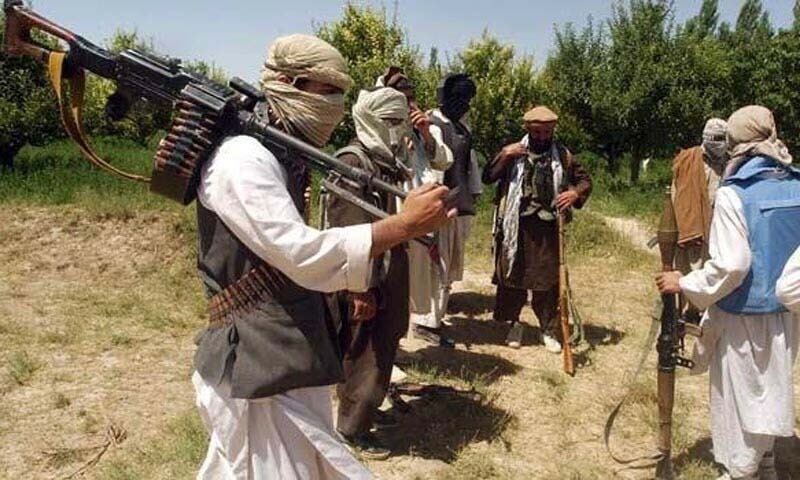
The report further notes that the TTP has gained greater operational freedom in Afghanistan, which has contributed to increased attacks inside Pakistan. It also highlights that Al-Qaeda has provided training and advisory support to the TTP. For Pakistan, this confirms longstanding concerns. Islamabad has repeatedly argued that TTP militants use Afghan territory as a sanctuary.
Since the Taliban returned to power in Kabul in August 2021, Pakistan has witnessed a noticeable rise in militant violence. However, while Pakistan`s concerns appear validated by the UN findings, the issue is more complex than a simple accusation against Kabul. When the Taliban regained power in 2021, thousands of prisoners were released from Afghan jails, including experienced fighters.
Many of them rejoined militant groups. The power vacuum created by the sudden collapse of the previous Afghan government made it easier for groups like TTP to reorganize. This does not automatically mean that the Afghan Taliban formally support them. But it does mean that controlling them is far more difficult than issuing official denials.
The UN report also raises concerns about Al-Qaeda`s continued presence in Afghanistan. Reports that elements of Al-Qaeda in the Indian Subcontinent (AQIS) may be based in Kabul are alarming. The world remembers that Afghanistan under Taliban rule in the 1990s became a sanctuary for Al-Qaeda, eventually leading to the 9/11 attacks.
#PakistanSecurity #UNSCReport #Afghanistan #TTP #AlQaeda #ISKP #CrossBorderTerrorism #CounterTerrorism #RegionalStability #MilitantThreats #PakistanDefense #AfghanTaliban #SecurityVulnerabilities #AQIS #TerrorismWatch #InternationalDiplomacy #PakistanSafety #BorderSecurity #UNMonitoring #CounterExtremism
