





News Desk
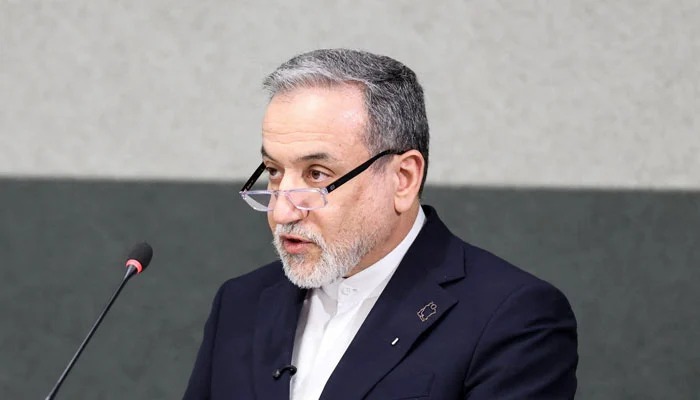
GENEVA: Iran and the United States reached a tentative understanding on the main “guiding principles” during a second round of nuclear negotiations in Geneva on Tuesday, Iranian Foreign Minister Abbas Araghchi said, though he stressed that significant work remained before a full agreement could be achieved.
Speaking to Iranian media after the talks, Araghchi described the discussions as opening “a new window of opportunity” and expressed hope that negotiations could lead to a sustainable and mutually acceptable solution. He emphasized that any lasting agreement must fully respect Iran’s legitimate rights, highlighting Tehran’s insistence on maintaining sovereignty over its nuclear program.
The progress in Geneva comes against a backdrop of heightened tensions, with Iranian state media reporting that parts of the Strait of Hormuz—a vital artery for global oil shipments—were temporarily closed for military drills by Iran’s Revolutionary Guards, citing security precautions. Tehran has repeatedly warned that any aggression or unilateral pressure could prompt measures to protect its interests, a warning underscored by the US dispatch of a battle force to the Gulf region.
Araghchi used the Geneva platform to call on Washington to end threats of force, arguing that coercive tactics undermine diplomacy and create unnecessary regional tension. “Any attempt to impose solutions through pressure or intimidation is counterproductive,” he said, noting that past US rhetoric, including President Donald Trump’s statements on regime change, only fuelled mistrust. Iran’s Supreme Leader, Ayatollah Ali Khamenei, also reaffirmed on Tuesday that attempts to destabilize the government would fail.
The Geneva talks were mediated by Oman and attended by US envoys including Steve Witkoff and Jared Kushner. While the discussions mark a cautious step forward, Iranian officials stressed that true progress would require Washington to respect Iran’s rights and engage in genuine negotiation rather than leveraging military threats.
