





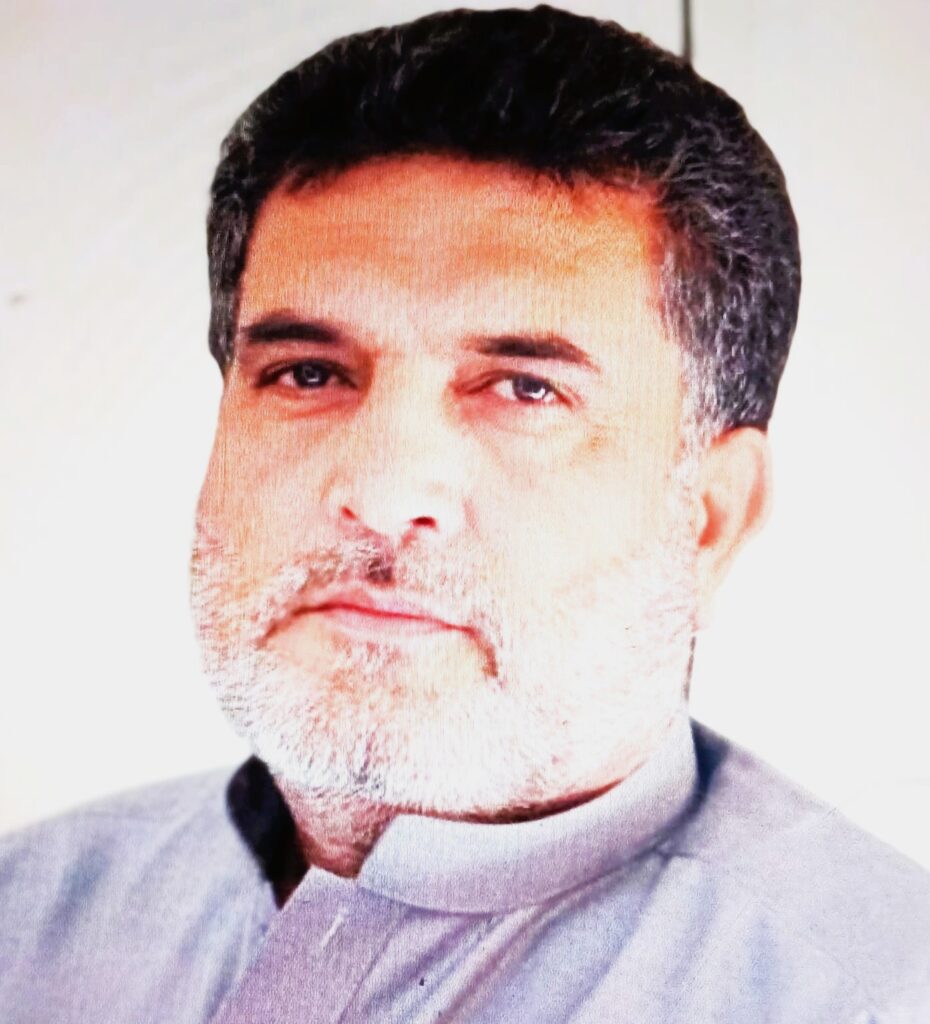
By Khpalwak Mohmand
At Torkham Zero Point, where the borders of Pakistan and Afghanistan meet in tense silence, an unshrouded body has become a stark mirror reflecting the failures of state systems, social values, and human compassion. The death of Dawood, a young man from the Musa Khel area of Mohmand district, is not merely a tragic incident. It is a disturbing testament to what can happen when bureaucracy, identity, and tradition collide in the most unforgiving of ways.
Dawood had spent much of his life in Taxila, engaged in the modest poultry business, living quietly yet precariously in a society where official recognition defines access to life itself. In a video recorded shortly before his death, he identified himself clearly: Dawood, son of Muhammad Rasool. Yet this simple act of naming could not shield him from a system that demanded proof of citizenship above all else. Without a national identity card, he became “illegal” in the eyes of the state. Deportation followed, and with it began a descent into a void where identity, humanity, and protection all seemed to evaporate.
Once across the border, Dawood’s plight did not ease. The traditional Pashtun social system on the Afghan side, once grounded in centuries of customs that valued shelter, hospitality, and the protection of the vulnerable, also refused him entry. He was left stranded at Torkham Zero Point, a place designed to mark national boundaries but which, in his case, became a purgatory. Days passed in hunger and exposure, amid the echoes of intermittent border fire. Dawood died not in violence or conflict, but in neglect, caught between legal definitions and cultural expectations.
This is a story that speaks volumes about the state’s role in defining human worth. An identity card is indeed the instrument that records citizenship, but the absence of such a card should never erase the humanity of a person. When a citizen dies because of bureaucratic rigidity, it is not merely an individual tragedy—it is a reflection of institutional failure. Agencies like NADRA, charged with verifying and protecting citizen identities, must do more than record numbers and papers; they must ensure that verification processes serve justice, not condemnation. Legal and humanitarian obligations cannot stop at paperwork.
Equally, this story questions the erosion of social and cultural traditions. For centuries, Pashtun society, and the historical traditions of the Islamic Emirates in Afghanistan, have upheld the sanctity of sheltering the helpless, honoring travelers, and protecting guests. These practices have defined social morality and dignity. Yet, when confronted with a young man asserting his Pashtun identity, the system faltered. Hospitality gave way to denial; tradition was overshadowed by rigid interpretation. The silence surrounding Dawood’s death amplifies the moral questions: how can centuries-old values coexist with modern borders if they fail in the most essential test of compassion?
Torkham is more than a crossing point; it is a witness to human stories, to lives trapped and lost between the rules of nations. Dawood’s unshrouded body stands as a symbol of what happens when identity is reduced to paper, when humanity is subordinated to bureaucracy, and when cultural values falter in the face of modern administration. It calls into question the mechanisms for protecting those stranded at the margins, and it challenges both Pakistan and Afghanistan to reflect on the ethical weight of borders.
This is not a story to be confined to news cycles or political statements. It is a question posed to governments, institutions, and societies: how will we treat the nameless, the unverified, the helpless? How long will identity be measured solely by a card, and traditions by convenience? If answers are not forthcoming, the incident will linger not as a memory of one man’s death, but as a persistent blemish on the collective conscience, a reminder that in the machinery of the state, humanity cannot be allowed to slip away. Dawood died in silence, but his death demands we speak. It is a call for accountability, compassion, and the revival of social and moral responsibility. Borders may divide lands, but they should never divide conscience.
(The writer is senior journalist at tribal district Mohmand, has in-depth knowledge of national and international issues, can be reached at editorial@metro-morning.com)
#TorkhamTragedy #HumanityOverBorders #PashtunValues #PakistanAfghanistanBorders #IdentityCrisis #BureaucracyFailure #SocialJusticePakistan #DawoodStory #BorderHumanRights #CompassionMatters
