





By Zahid Karani
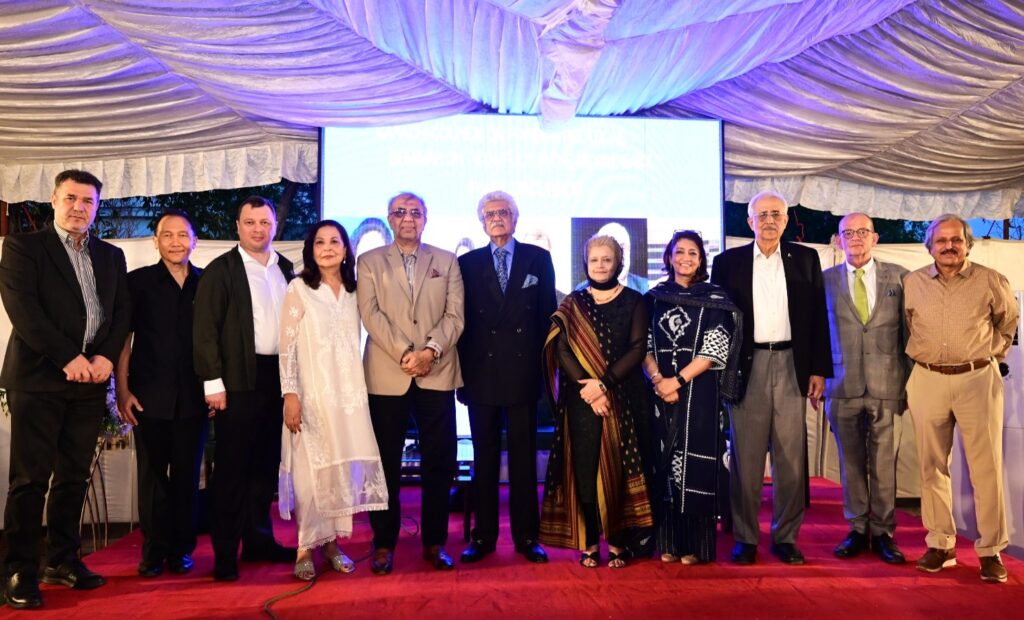
KARACHI: The Karachi Council on Foreign Relations hosted a seminar on Tuesday examining “The Conflict in the Middle East,” drawing diplomats, scholars, and strategic experts to discuss the evolving regional situation and its implications for Pakistan.
The session offered a platform for detailed analysis of shifting dynamics across the Middle East, with participants exploring possible avenues for de-escalation and emphasizing the importance of sustainable peace. Speakers underlined the centrality of dialogue and restraint, highlighting the role of responsible diplomacy in maintaining stability during periods of heightened tension.
The discussions also focused on the human cost of conflict, particularly for civilians caught in the crossfire, and stressed the need for initiatives aimed at protecting lives while promoting peace. Officials and experts repeatedly referenced Pakistan’s long-standing commitment to peaceful coexistence and regional harmony, noting that dialogue, cooperation, and engagement remain the country’s preferred tools for navigating regional crises.
The seminar concluded with a collective commitment to continue engagement and support efforts designed to reduce tensions and foster long-term stability in the region. Analysts observing the event noted that forums such as this are crucial for informing policy and reinforcing Pakistan’s diplomatic posture on Middle Eastern affairs.
Founded in 2003, KCFR has positioned itself as a think tank dedicated to advancing Pakistan’s national interests through dialogue with the international diplomatic community.
The seminar featured prominent figures including former ambassador Zamir Akram, Patron-in-Chief Ikram Sehgal, Chairperson Nadira Panjwani, and Senior Vice Chairperson Huma Baqai, whose insights reinforced the importance of measured, informed engagement in shaping Pakistan’s approach to regional developments.
