





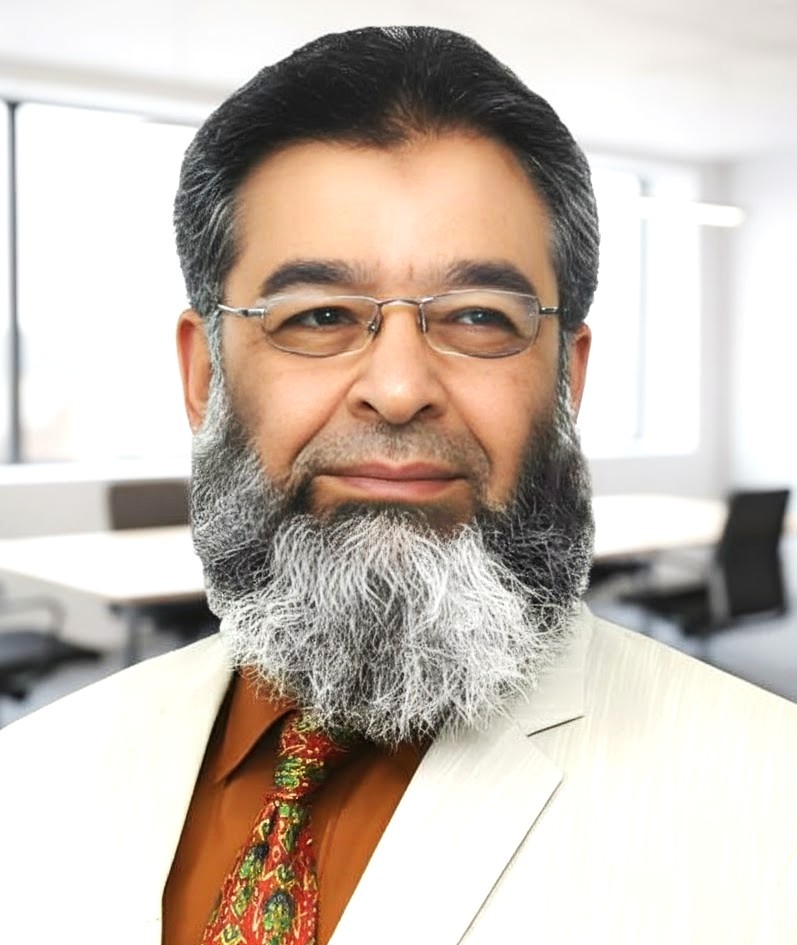
By Muhammad Mohsin Iqbal
Nations are not forged in an instant, nor do they attain dignity without endurance and sacrifice. The story of Pakistan is, at its core, a testament to conviction sustained against the odds, a narrative shaped as much by vision as by hardship. From the resolute leadership of Muhammad Ali Jinnah to the countless unnamed individuals who labored in obscurity, the Pakistan Movement was never the achievement of a single figure alone. It was a collective act of faith, carried forward by those who believed in the possibility of a sovereign homeland, even when its realization seemed distant. The state that emerged in 1947 bore the imprint of those sacrifices, its foundations laid in both hope and uncertainty.
The early years of Pakistan were marked by fragility, as the new nation grappled with institutional voids, economic strain and the aftershocks of partition. Yet it persisted, drawing resilience from a shared sense of purpose. Over time, leadership in its many forms sought to shape the direction of the state, each era leaving behind its own imprint on the country’s evolving identity. Among those figures, Zulfikar Ali Bhutto occupies a place that is as complex as it is consequential.
History rarely offers simple verdicts. It judges through competing narratives, weighing achievement against controversy, vision against error. Bhutto’s legacy is no exception. He remains a figure both admired and contested, yet his role in defining key moments of Pakistan’s political trajectory is difficult to overlook. There are, in particular, elements of his tenure that have come to be regarded as foundational, not because they are beyond criticism, but because of their enduring impact on the state.
Foremost among these is the creation of the Constitution of Pakistan 1973, a document that emerged at a time of profound national crisis. In the aftermath of disintegration and political upheaval, the need for a consensual framework was urgent. The constitution provided more than a legal structure; it offered a renewed sense of cohesion, an attempt to reconcile diversity within a federal system and to anchor governance in a shared agreement. Its significance lies not only in its provisions but in the process through which it was achieved, reflecting a rare moment of political convergence.
Another defining episode came with the parliamentary decision concerning Ahmadiyya community. By addressing a deeply contentious issue through constitutional means, Bhutto’s government responded to pressures that had long simmered within society. For many, this move was seen as aligning the state with prevailing religious sentiment; for others, it raised enduring questions about the relationship between faith and citizenship. It remains one of the most debated aspects of Pakistan’s ideological evolution, illustrating how decisions taken in moments of political necessity can resonate far beyond their immediate context.
Equally significant was Pakistan’s diplomatic outreach under Bhutto, most notably the hosting of the Organization of Islamic Cooperation Summit 1974 Lahore. At a time when the Muslim world was fragmented, the gathering in Lahore brought together leaders from across the Islamic world in an unprecedented display of unity. It was a moment that elevated Pakistan’s standing on the global stage, projecting it as a country capable of convening and shaping dialogue within the broader Muslim community. The symbolism of that summit endures, often invoked as a reminder of what collective engagement can achieve.
Yet such moments of assertion were not insulated from the forces of political turbulence. The trajectory of Bhutto’s life, culminating in his execution on 4 April 1979, remains one of the most contested chapters in Pakistan’s history. It is a moment that continues to evoke debate, not only about the circumstances that led to it but about the broader questions of justice, power and accountability within the state. His death did not settle the arguments surrounding his legacy; if anything, it deepened them.
What endures, however, is the recognition that certain contributions outlast the individuals who make them. Institutions, constitutional frameworks and diplomatic milestones become part of a nation’s continuing story, shaping its direction long after the moment of their creation has passed. In this sense, Bhutto’s imprint on Pakistan’s political and ideological landscape remains visible, embedded within the structures and debates that define the country even today.
To reflect on such a legacy is not to abandon critical judgment, but to situate it within a broader understanding of history. Nations do not progress by erasing their complexities; they move forward by engaging with them honestly. Pakistan’s journey, marked by both achievement and adversity, is a reminder that statehood is an ongoing process rather than a settled condition.
In the present moment, as Pakistan confronts its own array of challenges, the lessons of its past acquire renewed relevance. The ideals of unity, constitutionalism and collective purpose, however imperfectly realized, continue to offer a framework for navigating uncertainty. The figures who shaped those ideals—whether through triumph or controversy—remain part of the national consciousness, their legacies woven into the fabric of the state.
The passage of time may soften the edges of political conflict, but it does not erase the significance of those who helped define a nation’s course. In remembering them, there is both an obligation and an opportunity: an obligation to acknowledge the full measure of their impact, and an opportunity to draw from their experiences a deeper understanding of what it means to build and sustain a state.
(The writer is a parliamentary expert with decades of experience in legislative research and media affairs, leading policy support initiatives for lawmakers on complex national and international issues, and can be reached at editorial@metro-Morning.com)
