





By Imtiaz Hussain
SUKKUR:A recent case presentation at a local hospital has spotlighted the ongoing challenges of diagnosing and managing Pott’s disease, a form of spinal tuberculosis, after a young female patient with a history of prior tuberculosis treatment exhibited concerning neurological and spinal symptoms.
The patient presented with upper motor neuron weakness and a pronounced gibbus deformity localized at the 11th–12th thoracic vertebrae, prompting clinicians to consider spinal tuberculosis as a likely cause. Magnetic resonance imaging (MRI) subsequently confirmed the provisional diagnosis of Pott’s disease.
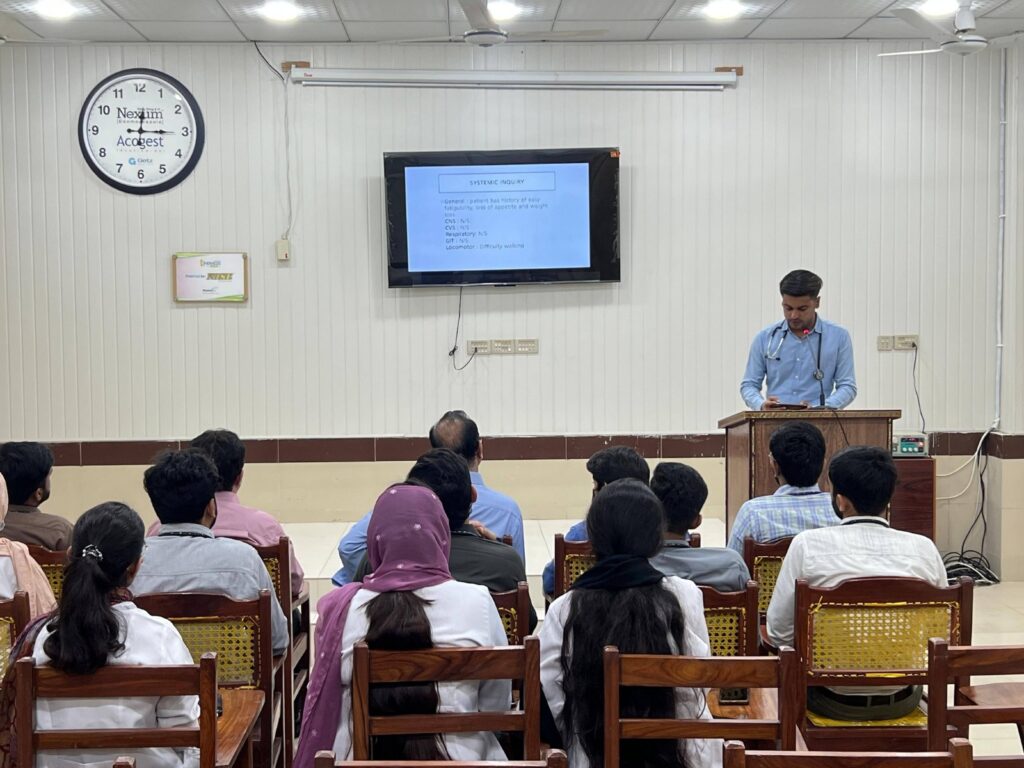
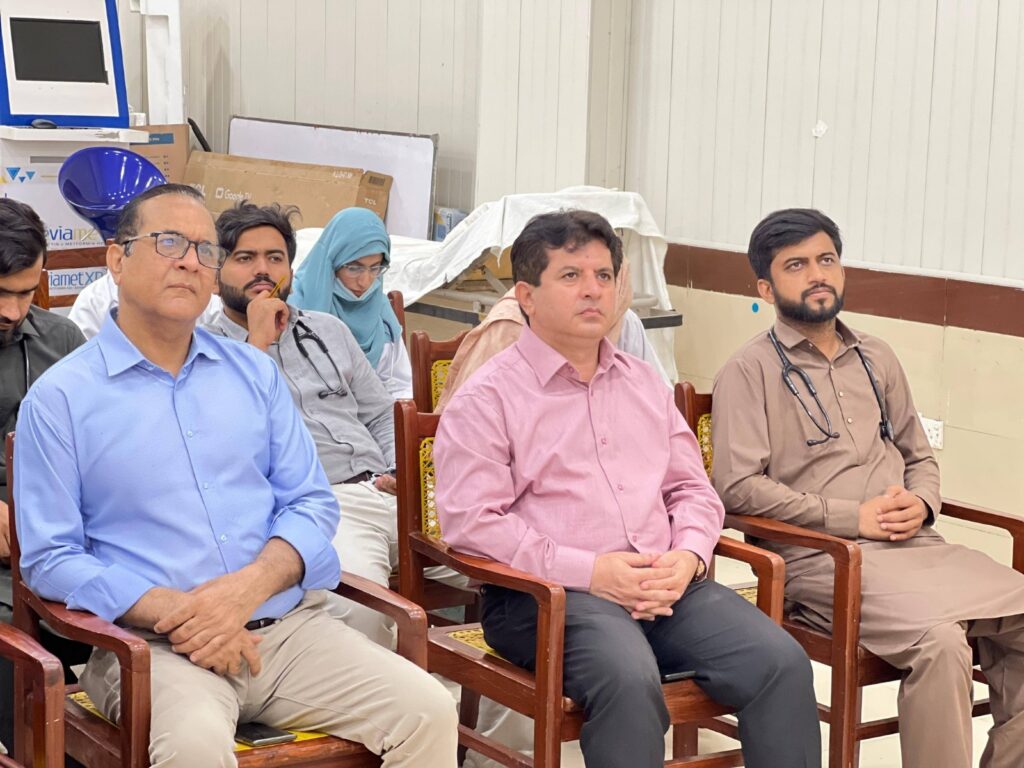
The case was discussed in a departmental session attended by Prof. Dr. Kirpal Das Makheja and Dr. Abdul Hayee Phulpoto. The presentation provided a platform for house officers and postgraduate residents to review key aspects of spinal tuberculosis, including early recognition, diagnostic strategies, and evidence-based approaches to clinical management.
Experts emphasized that timely diagnosis is crucial to prevent permanent neurological deficits and structural deformities in affected patients, highlighting the continuing relevance of Pott’s disease in regions where tuberculosis remains prevalent.
