





By Imtiaz Hussain
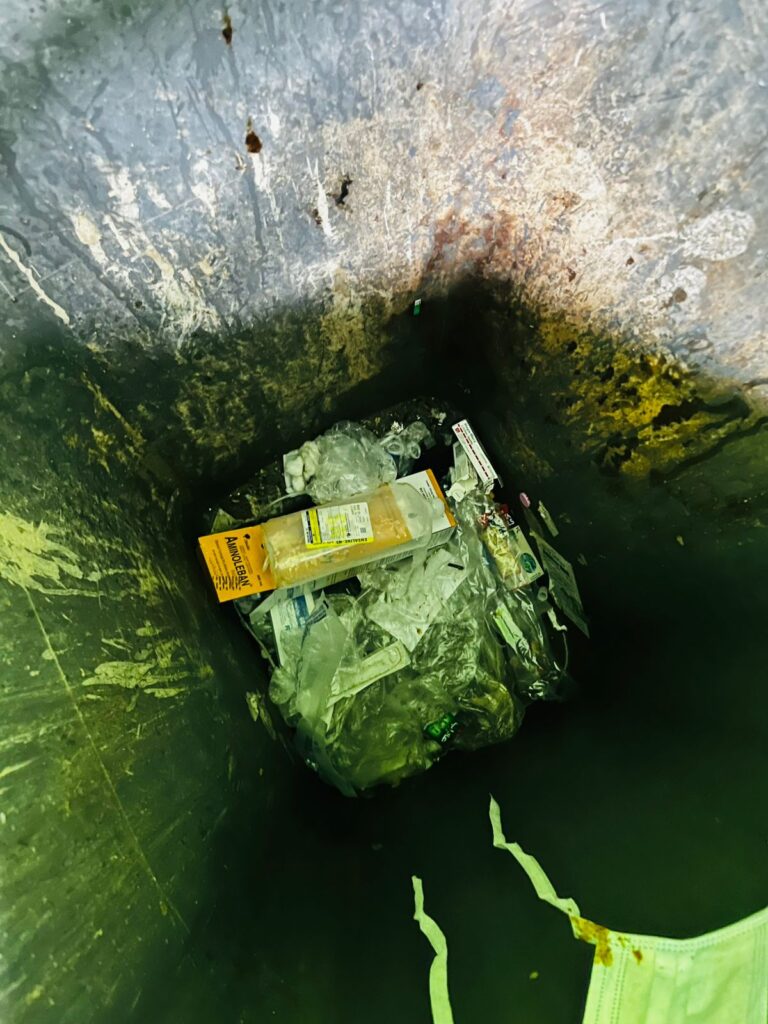
SUKKUR: The Sindh Environmental Protection Agency (SEPA) found an incinerator non-functional and hazardous medical waste being burnt in an open yard during an inspection at the Pir Abdul Qadir Shah Jilani Institute of Medical Sciences in Gambat, officials said.
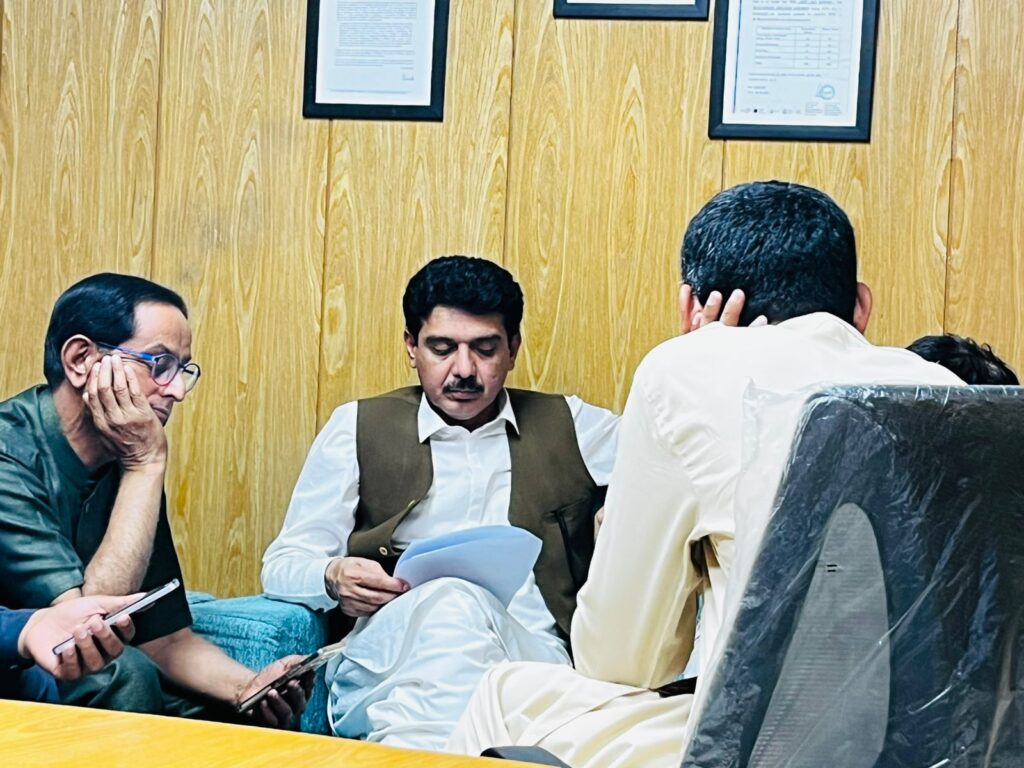
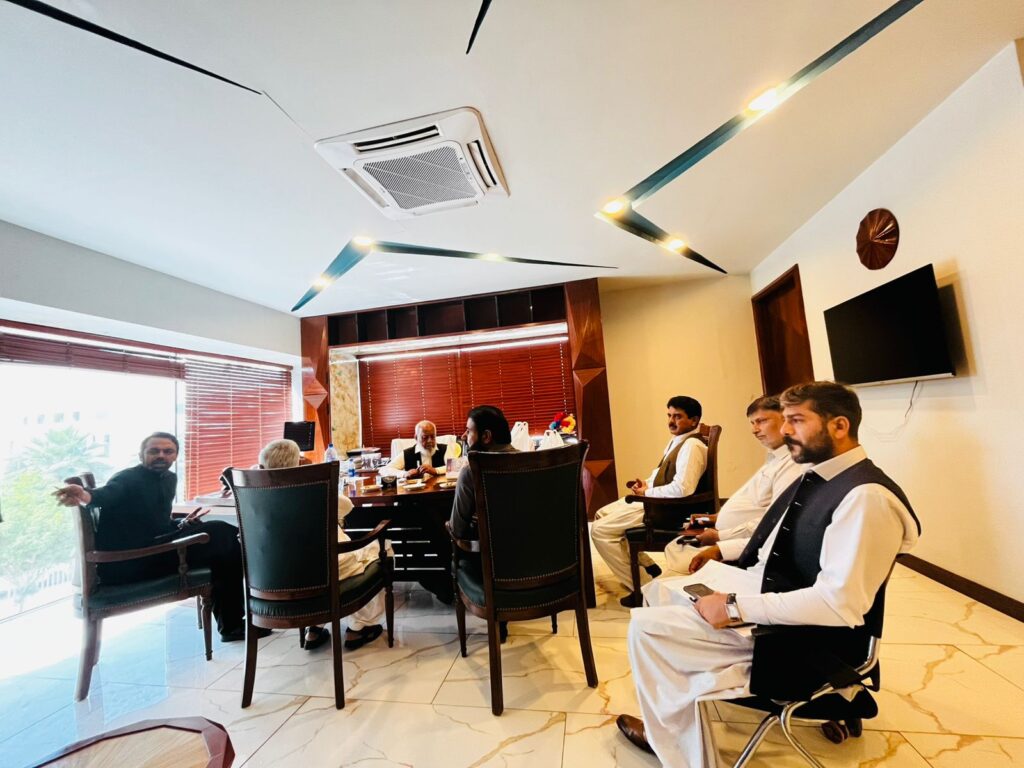
Deputy Director SEPA Sukkur, Imran Ali Abbasi, led the inspection team, which focused on hospital waste management practices. The team observed unsafe disposal of hazardous waste and expressed serious concern over the situation, issuing strict warnings and directing the administration to take corrective measures.
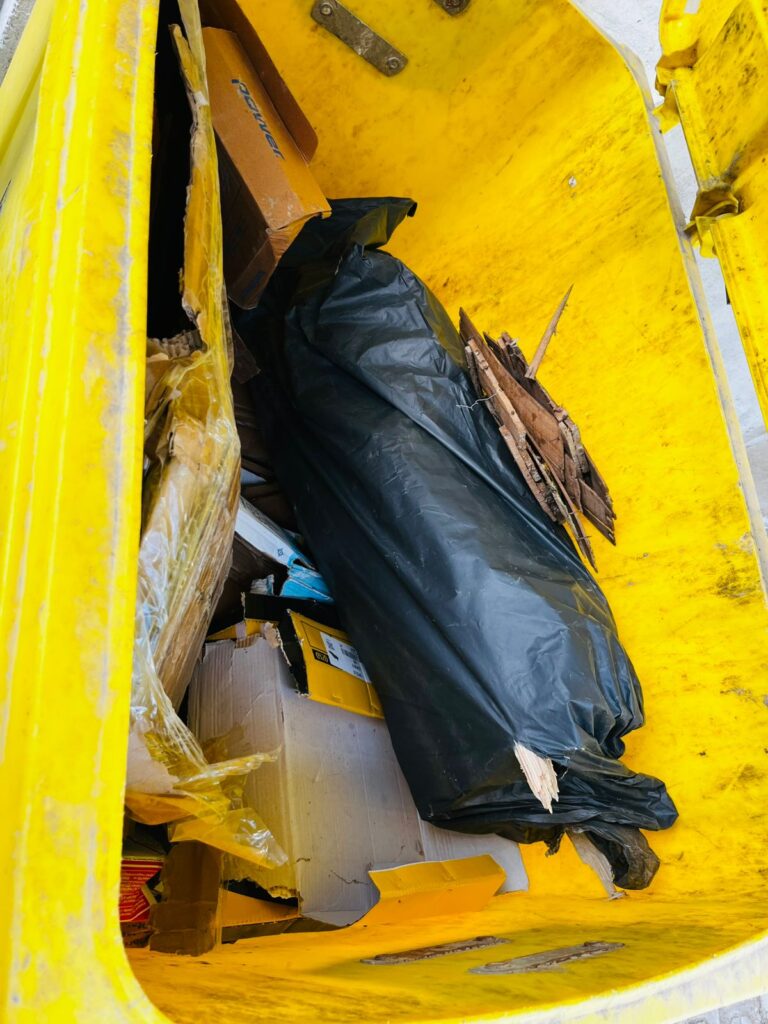
SEPA’s monitoring team conducted a detailed review of the hospital’s waste management system and took strong notice of the violations. Immediate corrective steps were ordered, and the hospital administration was instructed to submit a detailed report to the SEPA Regional Office in Sukkur within three days. Officials warned that legal action would be taken in case of non-compliance with environmental laws.
Imran Ali Abbasi said the protection of public health and the environment was the top priority of the Sindh government. He said improper disposal of hazardous waste posed a risk of increasing health problems among the local population.
He reiterated that there was a zero-tolerance policy for violations of the Sindh Hospital Waste Management Rules 2014 and the SEPA Act 2014.
He said surprise inspections of hospitals had been launched on the instructions of the Secretary for Environment, Climate Change and Coastal Development Sindh, Zubair Ahmed Channa, and Director General SEPA, Waqar Hussain Phulpoto.
He also visited Civil Hospital and Lady Wellington Hospital Khairpur, where inspections of environmental compliance and waste management systems were carried out. During those inspections, it was also found that incinerators installed at the hospitals were non-functional.
He expressed deep concern over the findings, saying improper disposal of hazardous medical waste could cause serious risks to human health as well as environmental pollution.
The regional in-charge said the Sindh government would not tolerate negligence in environmental protection and public health matters, adding that strict legal action would be taken under the zero-tolerance policy for violations of relevant environmental regulations.
