





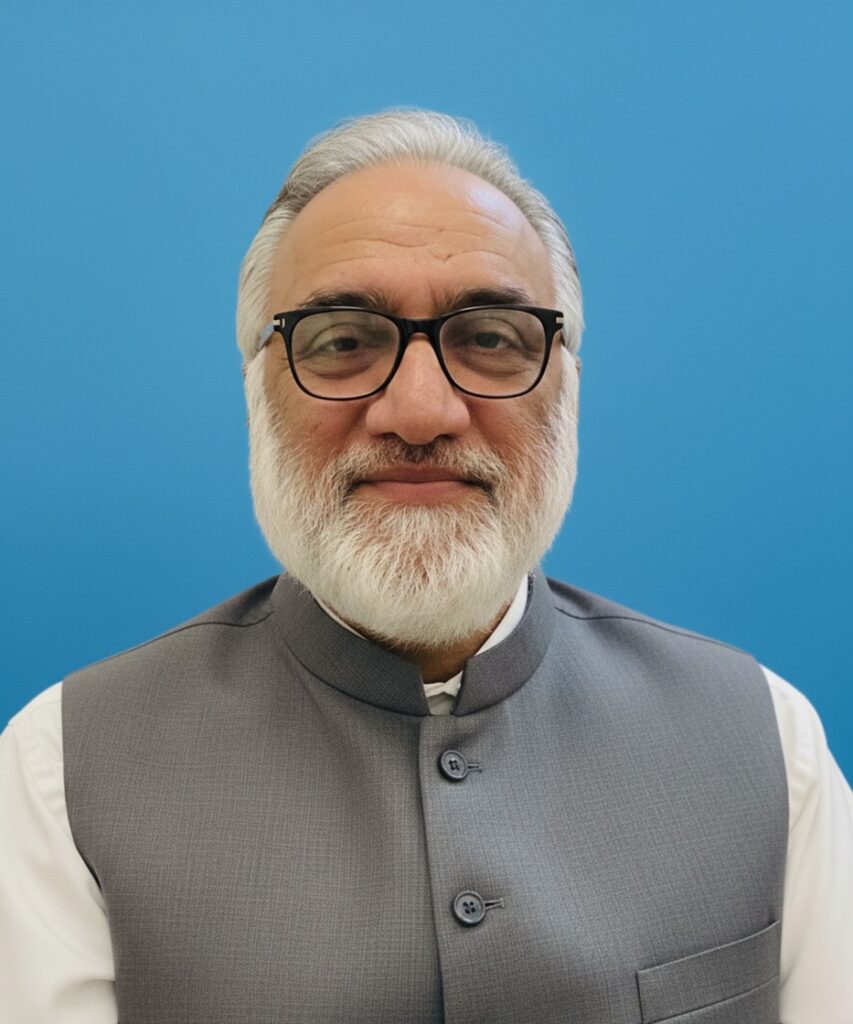
Dr. Zafar Iqbal
There is a moment, just after the shouting stops and the barricades are cleared, that truly defines a nation. It is not the moment of revolution, nor the hour of victory. It is the quiet, unglamorous morning after, when the dream that carried millions into the streets meets the plan that must carry them into the future. In Bangladesh right now, that meeting is not going well. In addition, the unease in the air is not about conspiracy or betrayal. It is about something more subtle, and more dangerous: a gap. A small, almost invisible distance between two birds flying in the same sky, between two boats floating on the same river. They look like they are heading the same way. However, they are not quite together.
Dr Zafar Iqbal, in a reflective and quietly urgent essay, puts his finger on this wound. He does not write of enemies or traitors. He writes of a psychological and civilizational transition, an attempt by a nation to move from one era to another. The young people of Bangladesh, who dreamed of justice, accountability, and a state that serves rather than crushes, are not unreasonable. They are not asking for utopia by sunrise. However, they are asking for proof. They are asking why an activist like Bibi Soda can still be arrested without evidence in a country that supposedly buried fascism. That is not a legal quirk. It is a symbol. It is the old mindset, still breathing, still reaching up from under the floorboards.
The newly elected leadership, carrying the weight of sixty per cent public support, says confidently: I have a plan. And that plan is not nothing. It is order, strategy, and the painful art of the possible. But the question that hovers over Dhaka like monsoon cloud is whether that plan still carries the soul of the dream. Because a plan without a dream is just administration. And a dream without a plan is just a funeral waiting to happen.
What makes this moment so delicate is that no one is shouting yet. There is no open conflict. The youth and the leadership still breathe the same air. They still speak of reform, of a new Bangladesh. But the gap is not always loud. Sometimes it is a difference in speed: the dream demands immediate justice; the plan offers gradual reform. Sometimes it is a difference in language: the dream speaks of ethics, truth and freedom; the plan whispers about political expediency, institutional inertia, and the balance of power. Sometimes it is a difference in altitude: the birds fly in the same direction, but one is high and the other is low, and over time that becomes distance, and distance becomes disappointment, and disappointment becomes something harder to heal.
This is not a uniquely Bangladeshi tragedy. Every revolution, every liberation movement, faces this same narrow bridge. The American civil rights movement saw it. The Arab Spring drowned in it. The dream of Martin Luther King and the plan of Lyndon Johnson were never the same thing, however much they overlapped. The question is not whether a gap exists. It always exists. The question is whether the leadership has the humility to see it and the courage to close it before it widens into a chasm.
Dr Iqbal’s allegory of two boats, two birds, two desires, is not poetry for its own sake. It is a warning. One boat is real. The other is a reflection. One bird is flying. The other is adjusting its wings. If the plan is merely a reflection of the dream, it will shatter at the first wave. If the dream refuses to recognize the weight of the plan, it will exhaust itself in the open air.
Bangladesh has done the hard part. It removed a regime. It tasted the possibility of something new. But history does not reward effort. It rewards harmony between vision and execution. The coming weeks and months will not be measured in speeches or press releases. They will be measured in small, unglamorous acts: whether arrests require evidence, whether the old police habits die, whether the July charter moves from a slogan to a checklist.
The dream is still alive. The plan is still unfolding. But they are not yet married. And until they are, two birds will fly over the same river, and two boats will drift, and the gap will grow. Nations are not made by those who only dream or those who only plan. They are made by those who can transfer the dream into the plan without losing its original soul. Everything else is just stories. And stories do not fill a prison or straighten a crooked reflection.
(The writer is involved in training and practical services in healthcare management, quality, and patient safety. His interests include current affairs, IR, environmental issues, Iqbal studies, political, literary, and national affairs, can be reached at editorial@metro-morning.com)
