





By Ghulam Hussain Baloch
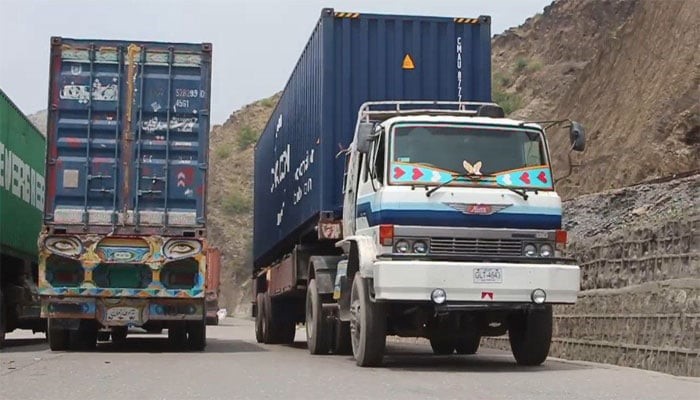
CHAMAN: A week-long shutdown of a key border crossing with Afghanistan has left hundreds of cargo containers stranded across Pakistan, crippling a vital trade route and exposing the widening economic consequences of recent diplomatic tensions between the two neighbors.
Officials involved in the Afghan transit trade confirmed that 422 containers carrying commercial goods are currently immobilized at multiple locations across Balochistan, with their journey to the Chaman border abruptly halted. Normally a bustling corridor for regional commerce, the crossing has remained closed following an escalation in cross-border frictions.
The suspension has brought a crucial supply chain to a standstill. Under typical conditions, 50 to 60 containers would travel daily from Karachi port to Afghanistan via Chaman. That flow has now been entirely severed. Officials reported that 114 containers are stuck in logistical hubs such as Hub, Khuzdar, and Qila Saifullah, while 17 remain near Pishin. The majority—217 containers—are halted directly at Chaman, with another 74 trapped in the National Logistics Cell (NLC) yard there. Authorities have confirmed that no additional shipments from Karachi are being allowed to enter the route.
The prolonged closure threatens to cause serious financial losses for traders and businesses reliant on the corridor. Many are concerned about spoilage of perishable goods and delays in essential supplies. Analysts warn that the disruption could further strain Pakistan–Afghanistan economic ties, while raising the risk of long-term impacts on regional commerce and supply networks.
Trade stakeholders have called for urgent diplomatic intervention and coordinated measures to reopen the border. Meanwhile, businesses and transport operators continue to bear the brunt of the blockade, highlighting the fragility of cross-border trade amid escalating political tensions.
The Chaman closure underscores the broader vulnerability of regional trade infrastructure to geopolitical developments, with authorities and traders alike facing mounting pressure to find swift solutions to avoid a deeper economic fallout.
