





PPP chairman links federal development projects to 18th Amendment, pays tribute to late Benazir Bhutto ahead of key party meeting.
By Ahsan Mughal
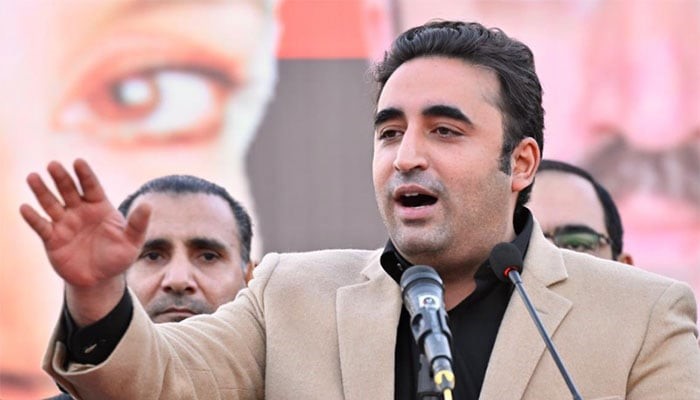
KARACHI: Pakistan People’s Party (PPP) Chairman Bilawal Bhutto-Zardari stated on Monday that his party would only be satisfied when tangible development work is initiated for Karachi, while firmly asserting that all such projects must align with the 18th Constitutional Amendment.
Bilawal confirmed that discussions with the federal government regarding a comprehensive development package for Karachi had already taken place, signaling a potential breakthrough in addressing the city’s long-standing infrastructural and civic challenges. “We will be happy when work is done for Karachi,” he said, but immediately added that this satisfaction was contingent upon adherence to the constitutional framework, highlighting the party’s insistence that governance and development be rooted in legally mandated devolution of powers.
The PPP leader’s remarks came amid a solemn reflection on history. He opened his address by paying a heartfelt tribute to his late mother, former Prime Minister Benazir Bhutto, on the 18th anniversary of the 2007 Karsaz attack, which targeted her homecoming procession and claimed the lives of over 150 party workers. “Shaheed BB was the voice of the poor,” he said. “She embraced martyrdom while fighting terrorists… and continued her struggle until the end.” His words resonated with the memory of a leader who, despite relentless threats, had remained unwavering in her commitment to democracy and social justice.
Linking his mother’s legacy to contemporary party goals, Bilawal noted that the PPP’s Central Executive Committee was set to convene later in the day to review the current political landscape. He stressed the importance of translating ideological commitments into actionable policies, particularly in urban centers like Karachi, where decades of neglect had left residents grappling with inadequate infrastructure, public services, and civic facilities.
Turning to foreign affairs, Bilawal described recent developments in the Middle East as a “major success,” though he tempered optimism with caution regarding the situation in Gaza. He acknowledged that while there was reason for hope, significant humanitarian and political concerns persisted, highlighting the complex nature of international diplomacy and Pakistan’s ongoing engagement with regional crises.
