





By Sudhir Ahmad Afridi
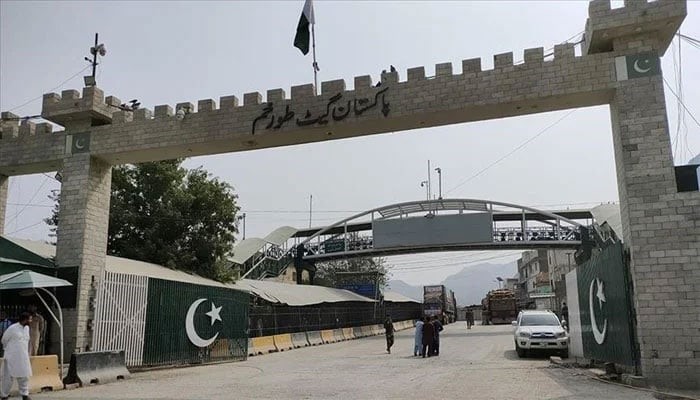
TORKHAM: For a punishing fortnight, the vital artery of Torkham, the busiest trade crossing between Pakistan and Afghanistan, fell silent, its gates sealed and its bustling yards transformed into a stagnant parking lot for hundreds of stranded cargo trucks.
The closure brought the frenetic pulse of bilateral commerce to a grinding halt, casting a long shadow over the economies of both nations and leaving thousands of drivers in a state of anxious limbo. Customs officials on the ground reported a dispiriting scene, with long queues of freight trucks snaking back from the border post on both sides, their engines cold and their cargoes sitting idle.
The scale of the disruption was immense, with thousands of vehicles carrying everything from essential medicines to perishable foodstuffs trapped indefinitely in a logistical paralysis. For the drivers, the wait was not merely an inconvenience but a profound hardship, as they were forced to endure the elements and watch their livelihoods stall alongside their rigs.
The trade that normally flows through this mountain pass is the lifeblood of regional exchange. From Pakistan, a steady stream of cement, pharmaceuticals, textiles, and fresh produce makes its way into Afghan markets, supporting industries and feeding communities.
In return, Pakistani industries and consumers rely on Afghan coal, soapstone, and a rich variety of fresh and dried fruits. The sealing of the border meant not just financial losses for traders but potential shortages and rising prices for ordinary citizens in both countries, underscoring the deep interdependence forged through decades of cross-border commerce.
