





By Asghar Ali Mubarak
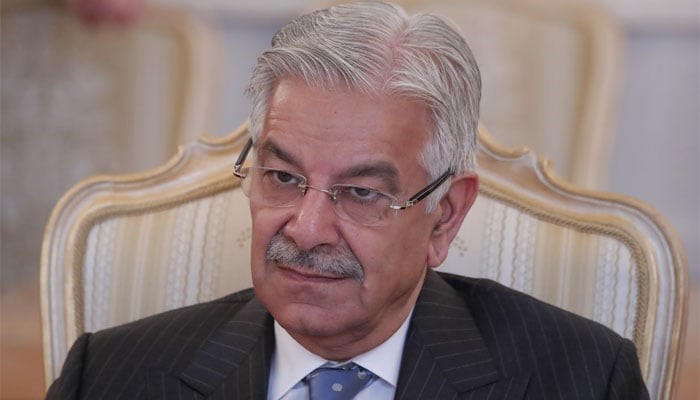
ISLAMABAD: Pakistan’s Defence Minister Khawaja Asif issued one of his most forceful warnings yet over tensions with Afghanistan, cautioning that continued hostilities and diplomatic breakdowns could lead to an “open war” between the two neighbors. His stark remarks, delivered in Sialkot, came amid rising anxiety over cross-border violence and the Taliban government’s alleged tolerance of militant activity targeting Pakistan.
Speaking to reporters, Asif’s tone mixed frustration with foreboding. He confirmed that while the past several days had seen a temporary lull in border exchanges—after weeks of artillery fire and skirmishes—deep mistrust persisted. He accused the Taliban administration of acting as a “proxy for India,” alleging that Kabul was complicit in a strategic effort to undermine Pakistan’s regional interests. The claim, though unsubstantiated, reflected Islamabad’s growing irritation with what it views as Afghanistan’s unwillingness or inability to curb anti-Pakistan militants operating from its soil.
Invoking a sense of betrayal, Asif revisited the long and complicated history of Pakistan’s ties with Afghanistan. “We hosted Afghans for 40 years,” he said, referring to the millions of refugees who fled war and lived in Pakistan for decades. “And now they are working against us.” His comments carried an emotional undertone, framing the issue as not merely geopolitical but personal—a reflection of shared yet fractured history between two Muslim-majority nations once bound by cultural and humanitarian ties.
The minister presented two starkly opposing paths for the future: one of reconciliation, and the other of confrontation. “We have options,” he warned. “If matters cannot be settled through talks, then it will be an open war between us.” Yet, in the same breath, he spoke of an alternative vision—one of “living together as brothers and mutual neighbours,” suggesting that dialogue, however fraught, remained Pakistan’s preferred course.
