





By Moin Ullah Shah
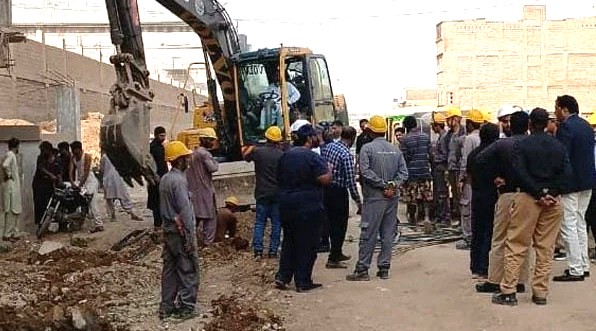
KARACHI: K-Electric (KE) stepped up operations across Karachi this week in a major drive to combat electricity theft and safeguard the city’s power infrastructure, officials confirmed.
During the campaign, the utility removed more than 1,100 kilograms of illegal meters from multiple localities, including Gulshan-e-Kareem, Paradise City, Bhashmi Para, Adow Garden, Ali Muhammad Goth, and Shah Town. The crackdown also led to the disconnection of over 550 unauthorized connections, which had previously contributed to a monthly loss of around 110,000 units of electricity, amounting to an estimated annual shortfall of roughly PKR 53 million.
KE emphasized that the intensified operations were part of ongoing efforts to transition customers from illegal to legitimate connections, improve revenue collection, and curb financial losses. The company underlined that tackling electricity theft was critical not only for financial stability but also for ensuring an uninterrupted power supply and mitigating widespread load-shedding in Karachi.
“Eliminating illegal connections and promoting timely bill payments are essential to sustain Karachi’s power network and provide reliable electricity to all residents,” KE officials said. Founded in 1913 and later incorporated as the Karachi Electric Supply Corporation (KESC) after Pakistan’s independence, KE was privatized in 2005 and remains the country’s only vertically integrated power utility.
It supplies electricity to Karachi and surrounding areas, serving millions of residential, commercial, and industrial consumers. The company is majority-owned by ES Power, a consortium that includes Saudi Arabia’s Aljomaih Power Limited and Kuwait’s National Industries Group, holding 66.4% of shares, while the Government of Pakistan retains 24.36%, with the remainder listed as free float on the stock exchange.
Observers noted that operations such as these were vital in addressing long-standing issues of electricity pilferage in Pakistan’s largest city. They highlighted that improving revenue recovery and securing infrastructure could help KE stabilize its financial health, reduce service interruptions, and ultimately contribute to better energy management for Karachi’s growing population.
