





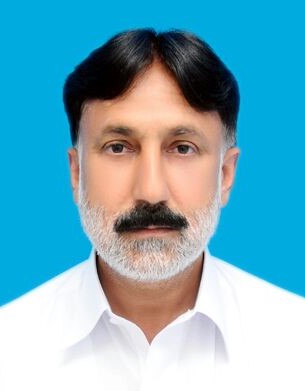
By Sudhir Ahmad Afridi
Pashtun culture is often reduced in popular imagination to the rhythms of the Attan or other dances, but this is only a small fragment of a far more profound and multifaceted heritage. True Pashtun values have always been rooted in social ethics, communal responsibility, and a deep respect for life and tradition. For instance, in villages and towns across Pashtun regions, the passing of a neighbor has long required even pre-scheduled weddings to be postponed. Aerial firing, once a common celebratory practice, would never be considered appropriate in such circumstances. Young people, known as Kasharan, were expected to exercise restraint in the presence of elders (Masharan).
Any disregard for these social norms could brand them as Damaan, ill-mannered and disrespectful. Similarly, women observed strict purdah, and men refrained entirely from participating in women’s gatherings, which were held exclusively within the four walls of their homes. Mixed-gender gatherings are not a contemporary innovation; they have simply never been part of traditional Pashtun society. Culture is not merely a dance or a song—it is the framework through which a community organizes life, upholds honour, and preserves continuity. Even the Attan itself is not universally practiced.
Among the Khattak, there exists a unique dance distinct from the Attan, while tribes such as Afridi, Shinwari, Mulagori, and populations in Bajaur, Mohmand, Malakand Division, and the Yousafzai belt may not practice the Attan at all. While men in these regions may engage in singing and dancing, the Attan is neither ubiquitous nor the defining feature of their culture. Modern Pashtun society faces enduring challenges, particularly in the tribal districts of Khyber Pakhtunkhwa. Years of insecurity and lawlessness have disrupted social norms and daily life. Funerals are an all-too-familiar sight, and the tragic cycle of death and displacement continues.
Recent events in the valley of Tirah, where over 150 lives were lost in just two months and thousands were forced to flee to protect their families and honor, are a stark reminder of these ongoing hardships. In such a climate, one must question what justification exists for large, festive gatherings or mass Attan events. How can a society genuinely celebrate when so many remain displaced, mourning, and struggling to survive? Education, too, remains a pressing concern. More than six million children in Khyber Pakhtunkhwa are out of school, often scavenging garbage to survive. Universities face severe budget deficits, while resources meant for public good are insufficient or mismanaged.
Despite these constraints, the production of genuinely qualified scholars and meaningful research remains limited. The region’s potential to generate knowledge and cultivate human capital is hampered by structural weaknesses, underscoring the need for urgent reform. Yet Pashtun civilization is rich with values and institutions that deserve preservation and promotion. Traditions such as the Hujra (communal gathering), hospitality, Nang-o-Ghirat (honor), Shalghun, Haya (modesty), Jirga (council), Nanawatey (asylum), Badargha, Lokhai, Chagha, Tiga, Sharishta, Ushr, Lashkar, Badal (revenge), and traditional dress like the Shalwar Qamees and turban, as well as women’s Burqa, define the social fabric.
These practices demonstrate the ethical and moral depth of Pashtun society, far beyond the limited lens of music and dance. Yet some liberal commentators and cultural enthusiasts have, intentionally or not, reduced Pashtun culture to the Attan, justifying mixed-gender musical events within academic institutions—a narrow interpretation that risks undermining broader cultural coherence. Respect for women, in particular, has been a defining feature of Pashtun life. Even today in Landi Kotal, men consider it dishonorable to occupy the same vehicle as a woman without proper arrangement, and they refrain from confronting adversaries if women of their household or the opposing household are present.
Such customs reflect a societal ethos that historically valued women’s dignity, safety, and honor—an ethos underpinned by centuries of tradition. Reviving these positive aspects of Pashtun culture requires collective effort. Elders and communities must reassert the authority of selfless Jirgas to mediate disputes, place Tiga between rival groups, and pursue reconciliation through established customs. Society must unite to eliminate poverty, ignorance, enmity, and unemployment. Drug abuse, jealousy, suspicion, and malice must be resisted. The objective is not nostalgia for an idealized past, but a practical restoration of social coherence, respect, and peace.
(The writer is a senior journalist at tribal region, covers various beats, can be reached at editorial@metro-morning.com)
