





The ruling came after a 15-month Field General Court Martial under the Pakistan Army Act, which examined four distinct charges against Hamid
By ISPR
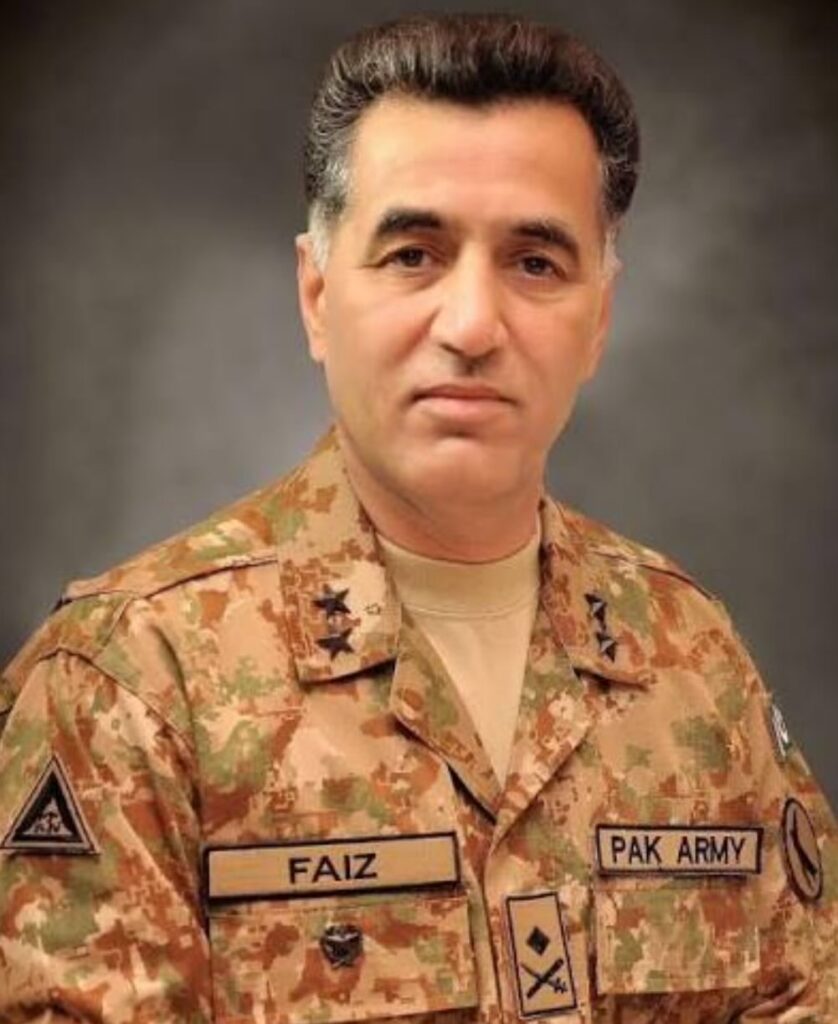
ISLAMABAD: Former Lieutenant General Faiz Hamid was sentenced to 14 years of rigorous imprisonment, with the sentence scheduled to take effect from 11 December 2025, the Inter-Services Public Relations (ISPR) confirmed.
The ruling followed a Field General Court Martial (FGCM) conducted under the Pakistan Army Act, a process that lasted 15 months and examined four separate charges against Hamid. According to the ISPR, the allegations against Hamid included involvement in political activities, violations of the Official Secrets Act, misuse of official powers and resources, and causing unlawful harm to relevant parties.
Following a thorough and detailed legal process, Hamid was found guilty on all counts. The proceedings, officials said, were comprehensive and labor-intensive, with the former general afforded full legal rights, including representation by a team of lawyers. Hamid had been taken into military custody on 12 August 2024, with the Field General Court Martial beginning the same day.
The action followed complaints linked to a private housing society, which prompted the Supreme Court to order a detailed court of inquiry. The ISPR highlighted that Hamid’s coordination with political elements and alleged involvement in activities undermining political stability were examined separately, signaling the seriousness with which the military and judiciary approached the case.
Hamid first came into public attention during the Faizabad sit-in in November 2017, when he acted as a mediator in the agreement between the government and the Tehreek-e-Labbaik Pakistan (TLP). He later served as Director General of the Inter-Services Intelligence (ISI) from 2019 for more than two years.
During his tenure, allegations of political interference surfaced, including manipulating legislative assemblies, influencing budget approvals, and targeting government critics. The Supreme Court had issued directives for strict action against officers found to be involved in political interventions, and Hamid’s activities were scrutinised under this mandate.
The sentence reflects Pakistan’s ongoing efforts to hold senior military officials accountable for breaches of law and protocol, particularly in matters with political sensitivity. Observers noted that the case underscored the army’s intention to maintain institutional neutrality while reinforcing legal accountability at the highest levels.
