





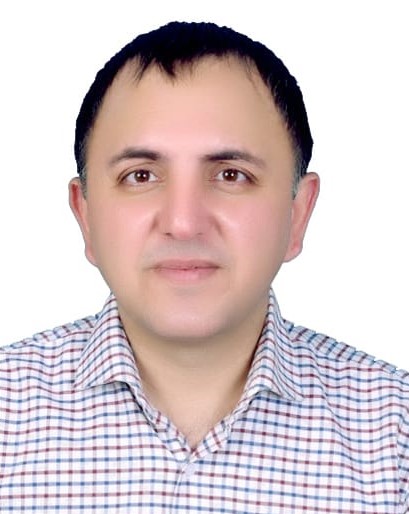
By Atiq Raja
Pakistan has found itself caught in a perilous tug of war between former Prime Minister Imran Khan and the country’s military leadership, represented institutionally by Chief of Army Staff General Syed Asim Munir. This confrontation was never merely a clash of personalities; it has evolved into a national crisis that unsettled social harmony, strained democratic norms, and left Pakistanis both at home and abroad uncertain about the country’s trajectory. At its core, the conflict reflects a deeper structural challenge in Pakistan’s governance: the unresolved balance between civilian authority and institutional power. What should have remained a constitutional debate has instead played out in courts, on streets, across media platforms, and within social discourse. In the absence of trust and dialogue, opposing narratives hardened into rigid positions, leaving little space for reconciliation.
Supporters of Imran Khan framed the struggle as one for democratic supremacy and the preservation of popular mandate. Meanwhile, state institutions emphasised constitutional order, stability, and discipline. Both sides, however, appeared to speak past each other, allowing mistrust and animosity to deepen. The result was a growing polarization across society. Families, workplaces, and communities were split along political lines, and disagreements frequently escalated into hostility. Public confidence in political institutions, the judiciary, media, and even the state itself began to erode. Frequent protests, arrests, and counter-actions created a sense of permanent unrest, making everyday civic life fraught with uncertainty.
The human cost of this confrontation has been tangible. Inside Pakistan, political instability discouraged investment, exacerbated inflation, and limited employment opportunities, heightening economic anxiety. Collective mental fatigue and frustration set in, particularly among youth, who often felt trapped between conflicting narratives with little clarity on the future. A nation cannot progress when its citizens are simultaneously economically insecure and mentally exhausted. For Pakistanis abroad, the impact was equally significant. Persistent instability reinforced negative perceptions of the country, while political polarization spilled into diaspora communities, creating divisions that undermined unity and collective advocacy. Many overseas Pakistanis reconsidered investment or relocation, wary of the uncertainty at home. For a country reliant on remittances and global goodwill, such disengagement carried long-term consequences.
Yet Pakistan does not need winners or losers in this struggle. What it requires is dialogue, healing, and constitutional clarity. Immediate de-escalation is essential. Aggressive rhetoric must be replaced with responsible, measured language, while appeals to fear, hatred, or revenge should give way to restraint. A structured national dialogue, facilitated by respected elders, jurists, or parliamentary consensus, could bring all stakeholders to the table. Clear adherence to constitutional boundaries by all institutions is vital; sustainable stability arises not from dominance but from balance. Transparent, fair, and credible political processes must be ensured, so that legitimacy derives from the consent of the governed, not coercion or power play. Media, too, bears responsibility. Both mainstream and social platforms must avoid sensationalism and the spread of misinformation, which only inflame tensions and deepen divisions.
Journalism’s role should be to inform and illuminate, not to polarize or provoke. Pakistan stands at a crossroads. One path leads to prolonged instability, weakened institutions, and social fragmentation. The other offers the possibility of dialogue, maturity, and national reconciliation. History will not judge Pakistan by who prevailed in a power struggle. It will judge the country by whether its leaders and institutions chose wisdom over ego, dialogue over defiance, and the nation over narrow narratives. A peaceful, stable Pakistan is not the responsibility of one leader or one institution; it is a shared national duty. Every citizen, every political faction, and every institution has a role to play in ensuring that the country emerges from this crisis not diminished, but stronger, with a renewed commitment to democracy, social cohesion, and constitutional governance.
(The writer is a rights activist and CEO of AR Trainings and Consultancy, with degrees in Political Science and English Literature, can be reached at editorial@metro-morning.com)
