





News Desk
NEW DELHI: India’s recent removal from the influential global technology alliance PAX Silica has provoked sharp criticism from opposition leaders, who described the development as a major blow to the country’s international reputation.
Former Union Minister J. Ram Ramesh questioned the rationale behind the expulsion, calling it “a dramatic fall on the world stage” and warning that it could dent India’s credibility among strategic partners. Speaking to local media, he linked the decision to what he described as India’s humiliating setback in May against Pakistan, suggesting that the US-led alliance’s move was “hardly surprising” in light of the episode.
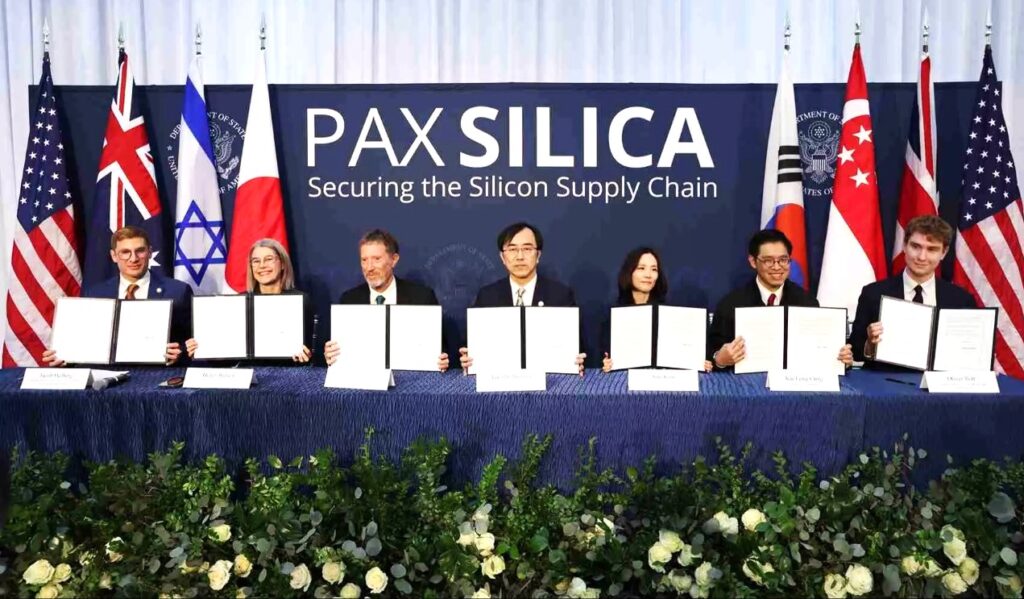
PAX Silica, an alliance of trusted international partners, was established to create secure and resilient supply chains for silicon and related technologies, which are increasingly critical for modern industrial and defence applications. Analysts said India’s removal could have significant ramifications, potentially limiting its access to cutting-edge technology and disrupting plans for collaboration with global partners on strategic projects.
The decision has fueled debate in India about the government’s handling of foreign relations and technological diplomacy. Opposition figures argued that the expulsion underscored broader concerns about the country’s standing in global governance forums and its ability to safeguard long-term economic and technological interests.
While the government has not issued a detailed explanation, sources suggest the move reflects a combination of geopolitical considerations and trust issues within the alliance. Observers warned that the loss of membership could compel India to seek alternative partnerships or domestic solutions to reduce reliance on the PAX Silica network, which has become central to strategic technology supply chains worldwide.
The development has thus intensified scrutiny of India’s foreign policy strategy, highlighting the stakes involved in maintaining credibility in high-tech alliances as global competition for critical resources accelerates.
