



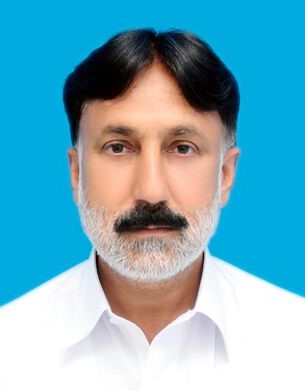
By Sudhir Ahmad Afridi
The escalating tensions along the Pakistan-Afghanistan border reflect more than a routine dispute over lines on a map. They are the latest chapter in a complex regional struggle that some observers have already termed a “new Great Game,” a contest in which history, politics, and strategic ambition converge in ways that imperil ordinary lives. The Afghan regime’s decision to open a front against Pakistan, whether through tacit support for armed groups or outright incursions, is a self-defeating strategy. By challenging its neighbor, Kabul risks isolating itself diplomatically and becoming entangled in broader geopolitical maneuvers that far exceed its capacity to control. History offers a sobering lesson: the politics of bloodshed achieves nothing.
By contrast, commerce, trade, and cooperation have consistently delivered tangible benefits for nations willing to pursue pragmatic engagement. Pakistan’s response to this escalation has been firm, yet measured. Cross-border attacks on posts in Bajaur, Khyber, Mohmand, Kurram, North and South Waziristan, and Spin Boldak prompted decisive action. The Pakistan Air Force, supported by artillery, targeted terrorist enclaves and Taliban defensive positions within Afghan territory. Reports indicate that airstrikes in and around Kabul and Kandahar struck specific facilities, aiming to degrade insurgent capabilities and send a clear message to those sheltering militant networks. While the full extent of casualties remains uncertain, these operations have underscored the strategic sensitivity of the region and demonstrated that Pakistan will not tolerate continued aggression along its borders.
At the same time, the ongoing closure of the border, now exceeding four months, has exacted a heavy toll on ordinary citizens. Trade and daily life have been brought to a near standstill, disrupting livelihoods on both sides. For communities that have already endured decades of conflict and deprivation, the consequences are severe: local markets struggle, supply chains are disrupted, and economic hardship deepens. Pakistan has made its position clear. The Afghan Taliban must take decisive action against banned organizations operating from their territory, particularly the Tehrik-i-Taliban Pakistan and the Balochistan Liberation Army. These groups have repeatedly exploited cross-border sanctuaries to carry out attacks, further straining bilateral relations and eroding trust between the two neighbors.
Yet confrontation serves neither side. Continued hostility threatens to entrench mistrust and instability, with the gravest consequences falling on communities living along the border. Families in these regions are already burdened by insecurity, limited access to services, and economic uncertainty. Persistent aggression could inflict long-term damage on social cohesion, leaving a legacy of resentment and vulnerability. The Afghan regime’s obstinacy may also invite wider scrutiny and criticism from other regional actors, who are increasingly concerned about the destabilizing effects of cross-border militancy.
The stakes, however, extend well beyond local security concerns. South Asia today is a theatre of global economic and strategic significance. Projects such as Gwadar and the China-Pakistan Economic Corridor have transformed the region into a nexus of development, investment, and international attention. Any sustained disruption along the border threatens not only bilateral stability but also regional connectivity, trade, and economic growth. Reports suggest that certain Arab states, acting in alignment with Western interests, have encouraged Afghan intransigence, while the potential influence of India and Israel adds another layer of complexity. In this environment, what begins as a local dispute can rapidly evolve into a flashpoint for wider geopolitical rivalry.
The new Great Game need not be a game of destruction. With careful diplomacy, mutual recognition of security concerns, and a commitment to regional cooperation, Pakistan and Afghanistan have the opportunity to rewrite the script. They can transform a landscape marked by suspicion and hostility into one defined by dialogue, economic opportunity, and shared stability. In a region where the consequences of miscalculation are profound, such a turn toward pragmatism is not only desirable—it is essential. The choices made today will determine whether South Asia continues to grapple with instability or begins a chapter of lasting peace and prosperity.
(The writer is a senior journalist at tribal region, covers various beats, can be reached at editorial@metro-morning.com)
#NewGreatGame #PakistanAfghanistanTensions #BorderSecurity #RegionalStability #MetroMorning
