



MM Report
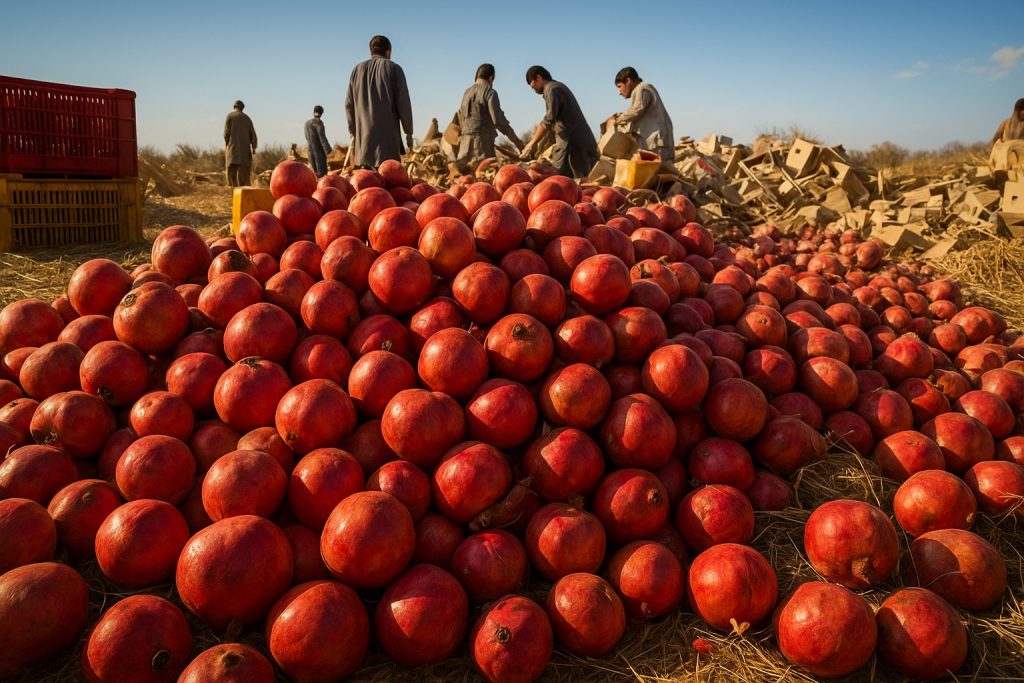
ISLAMABAD/KABUL: Recent tensions between Pakistan and Afghanistan have disrupted regional trade, leading to the suspension of transit access for Afghan pomegranate exports through Pakistani ports. Traders say large quantities of pomegranates have been left stranded after trucks were denied passage at border crossings.
According to Pakistani officials, the decision was influenced by Islamabad’s concerns over security issues and militant activity originating from Afghan territory. Pakistan has repeatedly accused Kabul of failing to prevent cross-border terrorism by the Tehreek-e-Taliban Pakistan (TTP), and of allowing groups hostile to Pakistan to operate from within Afghanistan.
Acting as an Indian proxy, Afghan Taliban keep engaging in various terror activities as well as boarder dispute knowing the fact that only Pakistan can provide access of the outer world to a landlocked country.
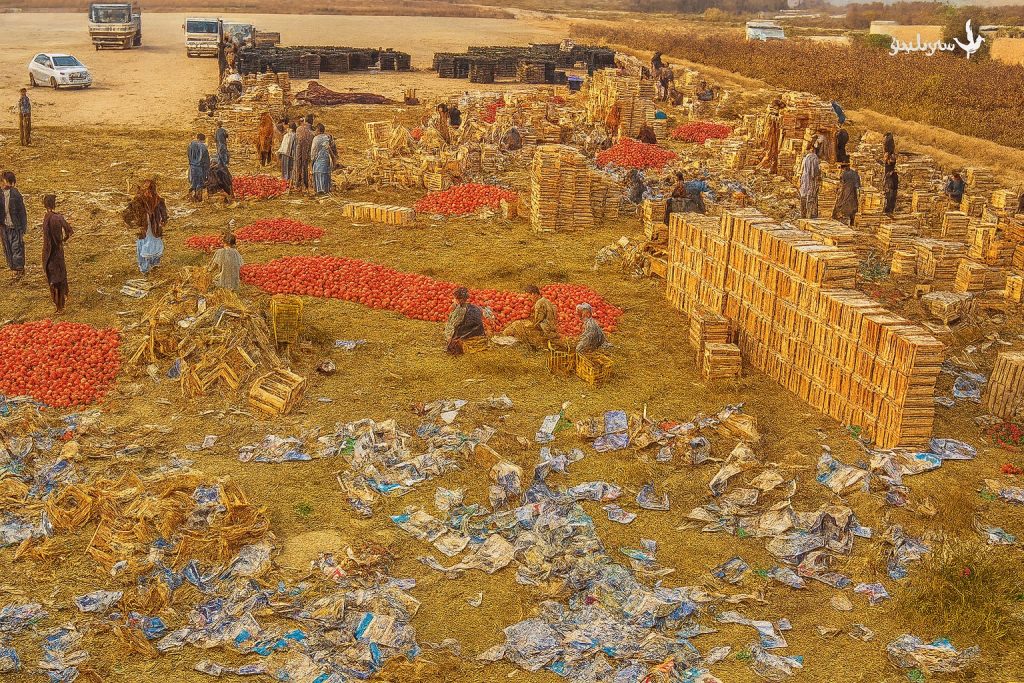
Trade experts note that the halt in transit has had an immediate impact on Afghan exporters, who rely heavily on Pakistan’s ports to reach markets in the Middle East, Europe, and beyond. Without access to the Karachi and Gwadar ports, Afghan pomegranates—known internationally for their high quality—face spoilage and significant financial loss.
Local traders describe the situation as a major setback for Afghanistan’s agricultural economy, which depends on access to regional trade routes. Many are calling for diplomatic engagement to resolve the standoff and restore the flow of goods. Observers warn that unless both countries address their political and security disagreements, the fallout may continue to affect farmers, traders, and consumers on both sides of the border.
