



He highlighted that Pakistan had steadily improved its management of public debt, with the debt-to-GDP ratio falling to about 70 percent from roughly 74 percent over the past three years
By Amir Muhammad Khan
RIYADH: Pakistan has made significant strides in stabilizing its economy, Finance Minister Muhammad Aurangzeb told an international audience at a high-level roundtable on sovereign debt vulnerabilities, emphasizing the country’s progress through disciplined economic management and institutional reforms.
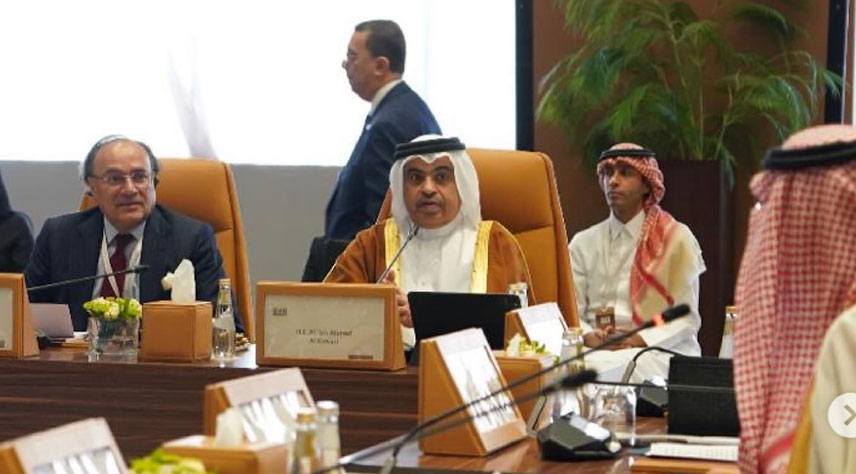
Speaking at the AlUla Conference for Emerging Market Economies 2026, jointly hosted by Saudi Arabia and the International Monetary Fund, Aurangzeb painted a cautiously optimistic picture of Pakistan’s fiscal trajectory, highlighting a combination of prudent debt management and domestic reforms.
He noted that Pakistan had remained on course to better contain and manage public debt, with the debt-to-GDP ratio declining to around 70 percent from approximately 74 percent over the past three years. “This reflects sustained efforts in fiscal consolidation and the careful calibration of borrowing and expenditure,” he said, underlining the government’s determination to maintain economic stability despite ongoing domestic and global challenges.
Aurangzeb also drew attention to progress in domestic resource mobilization, stressing that Pakistan’s tax-to-GDP ratio had risen to nearly 12 percent, moving away from historically single-digit levels. The minister attributed this improvement to a combination of tax reforms, digitization, and measures designed to broaden the revenue base.
“These reforms are not just numbers on paper; they represent a structural shift in how the economy generates resources for development and social services,” he added. Beyond fiscal indicators, the minister highlighted Pakistan’s efforts to integrate debt management with broader development and climate objectives.
Aurangzeb pointed to the issuance of a Green Sukuk and the establishment of a Sovereign Sustainable Financing Framework as examples of how the country is aligning financial strategy with environmental priorities. Aurangzeb framed these initiatives as part of a broader effort to attract sustainable investment while meeting international standards for transparency and accountability.
Observers at the conference noted that Pakistan’s approach reflects a delicate balancing act between immediate fiscal needs and long-term structural reforms. Analysts described the country’s gradual reduction in debt levels and enhanced domestic revenue mobilization as encouraging signs, though they cautioned that external pressures, including global interest rate fluctuations and geopolitical risks, could challenge the momentum.
For Pakistan, Aurangzeb’s remarks were both a statement of achievement and a call for continued vigilance, signaling to investors and international partners that the country is pursuing disciplined economic management while embracing modern, sustainable financial practices.
#MuhammadAurangzeb #PakistanEconomy #EconomicStability #DebtManagement #FiscalReforms #DebtToGDP #PublicFinance #SovereignDebt #AlUlaConference #IMF #SaudiArabia #EmergingMarkets #TaxReforms #DomesticResourceMobilization #GreenSukuk #SustainableFinance #ClimateFinance #EconomicReforms #GlobalEconomy #PakistanNews
