




Bahrain’s pursuit of the death penalty for six foreign nationals has ignited global concern, exposing deep anxieties over justice and due process amid escalating Gulf tensions
MM Report
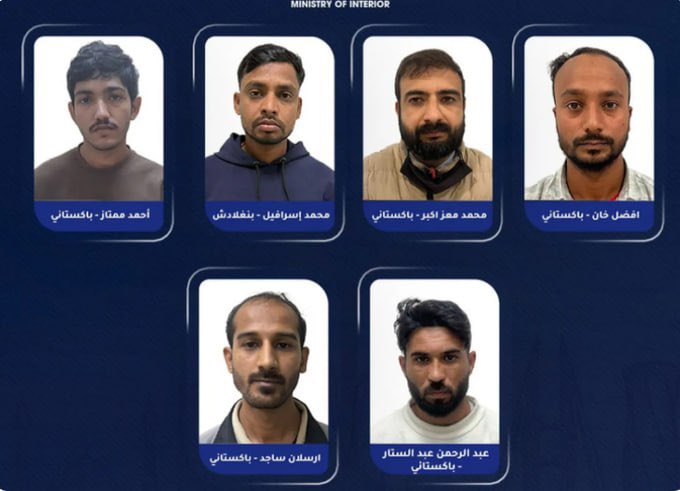
MANAMA: Bahraini authorities demanded the death penalty for six foreign nationals, five of whom were Pakistani, in a case that immediately drew sharp criticism from human rights organisations and international observers.
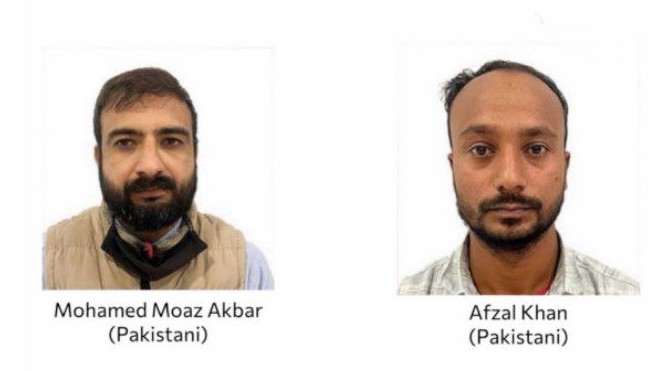
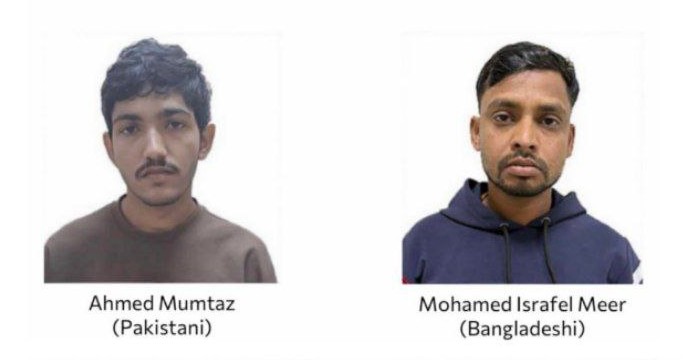
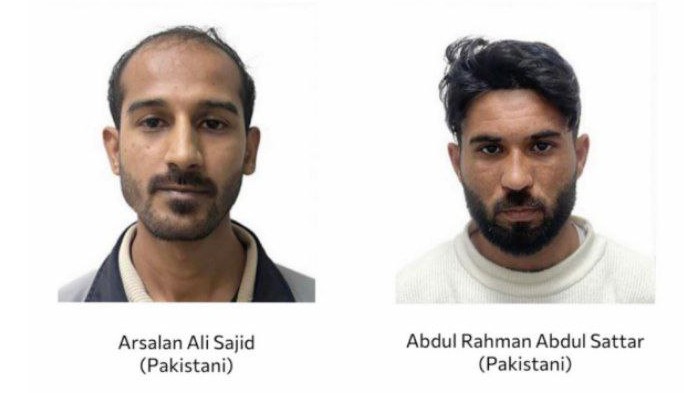
The defendants, named as Afzal Khan, Muhammad Moez Akbar, Ahmed Mumtaz, Abdul Rahman, Abdul Sattar, and Arsalan Sajid, along with Muhammad Israfil, a Bangladeshi national, were accused of filming sensitive sites that had reportedly been targeted by drones and Iranian missile strikes within the kingdom. Official statements said the six faced charges of treason and assisting an enemy of the state.
The announcement triggered widespread concern over both the severity of the punishment and the transparency of the judicial process. Human rights groups pointed to the Bahraini court system’s history of closed proceedings and limited access for independent observers, warning that the trial risked falling far short of internationally recognised standards of justice.
“There is a real danger that due process will be ignored, and that the defendants will not receive a fair hearing,” a representative of one advocacy group said, speaking on condition of anonymity. The Bahraini government, however, defended its actions, insisting that the accused had placed national security at risk by documenting military installations and sensitive infrastructure.
Authorities argued that the defendants’ recordings could have been exploited by hostile forces, and highlighted the ongoing threat posed by regional tensions, including repeated drone and missile attacks attributed to Iran. Officials framed the case as part of a broader effort to safeguard the kingdom against foreign interference, emphasising that the measures were necessary to protect citizens and strategic sites alike.
Families of the accused expressed shock and despair at the death sentences, insisting that their relatives had merely been observers and had no intention of causing harm. Relatives spoke of sleepless nights and relentless worry, describing the trial as a harrowing ordeal that had left them fearful for both the lives of the accused and the possibility of impartial justice. Diplomatic sources in Dhaka and Islamabad confirmed that both governments had been notified of the charges and were closely monitoring developments, though public statements were measured, reflecting the sensitive political landscape.
The case unfolded against a backdrop of rising tension in the Gulf, where security concerns and geopolitical rivalries have increasingly intersected with questions about human rights and the treatment of foreigners. It has reignited debates over the rights of migrant workers, journalists, and other foreigners operating in the region, as well as the appropriateness of the death penalty for crimes tied to national security.
Analysts suggested that executions in this context could further complicate Bahrain’s diplomatic relations and provoke condemnation from international institutions. Advocacy groups urged Bahrain to reconsider the sentences and to conduct the trial in full compliance with international legal standards. They warned that failure to ensure a fair and transparent process could not only imperil the lives of the defendants but also send a chilling message to foreign nationals working in the Gulf, amplifying fears of arbitrary punishment and state overreach.
As the trial progressed, attention remained sharply focused on Bahrain’s handling of the case, and on the broader implications for regional stability and human rights standards in a strategically sensitive part of the world.
