




Domestic broadcasters confirmed that the BNP and its allies secured at least 213 of 299 contested seats, leaving Jamaat-e-Islami and partners with just 76 in the Jatiya Sangsad
News Desk
DHAKA: The Bangladesh National Party (BNP) secured a decisive two-thirds majority in general elections on Friday, in a result widely viewed as a stabilizing moment for the South Asian nation after months of turmoil following the ouster of former prime minister Sheikh Hasina.
The outcome, confirmed by domestic broadcasters, gave the BNP and its allies at least 213 of the 299 contested seats, while the opposition Jamaat-e-Islami and its partners captured 76 seats in the Jatiya Sangsad, or House of the Nation.
The victory marked a dramatic return to power for the BNP after two decades, a shift that underscored the changing political landscape in Bangladesh, where youth-led movements had played a pivotal role in Hasina’s departure in August 2024. Despite the scale of their win, the BNP immediately called for restraint.
The outcome was widely interpreted as critical for stability in Bangladesh, a Muslim-majority country of 175 million people, where months of anti-Hasina unrest had disrupted daily life and crippled key sectors such as the garment industry, the country’s second-largest global exporter.
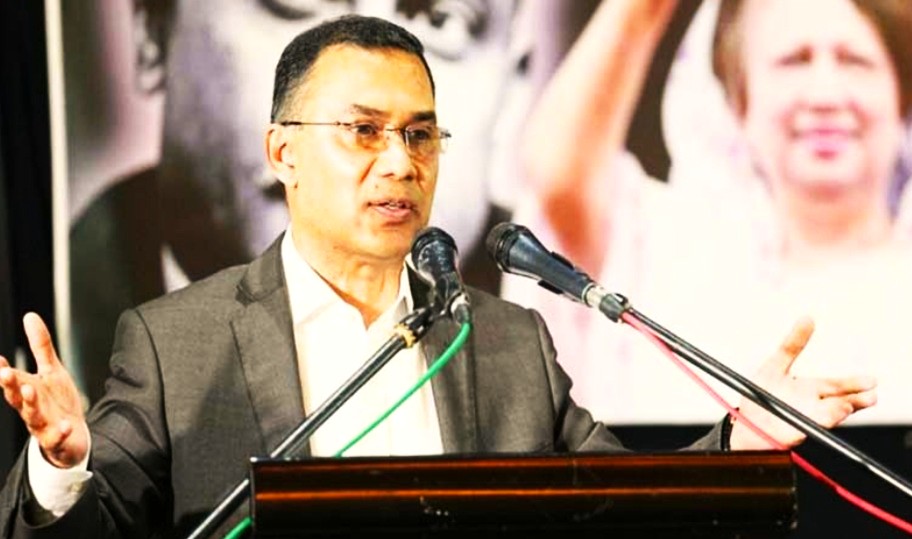
Tarique Rahman, son of the BNP founder and former president Ziaur Rahman, who returned from 18 years abroad in December, is expected to be sworn in as prime minister. His ascendance reflects both continuity within the party and the enduring influence of dynastic politics in Bangladesh, where Rahman’s mother, Khaleda Zia, and Hasina have dominated for decades.
The transition follows a period of interim leadership under Nobel peace laureate Muhammad Yunus, 85, who oversaw governance after Hasina fled to neighbouring India. The electoral process, noted for its competitiveness, featured over 2,000 candidates, including a record 50 parties, and was conducted with manual counting of paper ballots continuing into Friday.
Turnout appeared strong, with early reports suggesting participation exceeded 60%, a significant increase from the 42% recorded in 2024. While the BNP’s landslide rivalled its 2001 triumph of 193 seats, the scale of the victory contrasted with earlier elections widely criticised as one-sided or boycotted.
#BangladeshElection #BNP #BangladeshNationalistParty #Dhaka #JatiyaSangsad #TariqueRahman #ZiaurRahman #KhaledaZia #SheikhHasina #MuhammadYunus #JamaatEIslami #SouthAsiaPolitics #Election2026 #Democracy #PoliticalShift #TwoThirdsMajority #YouthMovement #GarmentIndustry #IndiaBangladesh #BreakingNews
v
