



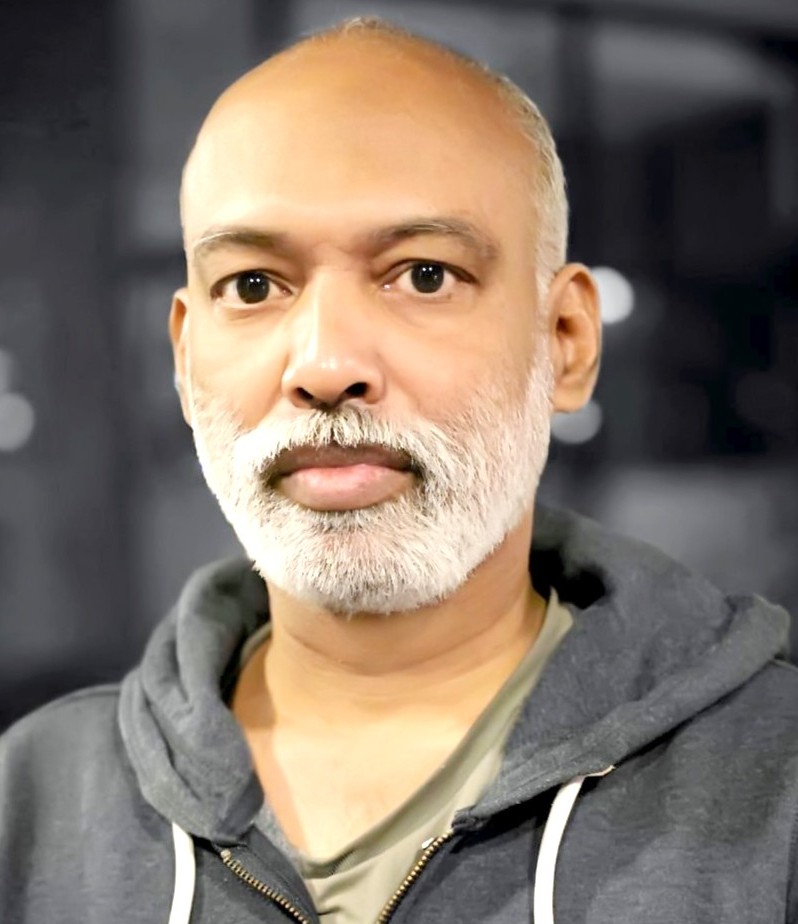
By Mohammad Basir-Ul-Haq Sinha
Bangladesh calls itself free. Its universities teach postcolonial theory. Its elite nod in polite agreement. Yet the field lies in darkness. Not ignorance. Not accident. Darkness by design—deliberate, protective, self-serving. A house of mirrors polished to hide inconvenient truths. History is not tidy. Portuguese ships arrived in the early seventeenth century. Dutch merchants carved routes. The Mughals left administrative patterns. The British formalized control. Layers of empire—stacked, sedimented, persistent. Yet Bangladesh’s scholarship compresses centuries into a single line: 1971. Convenient. Clean. Deadly incomplete. Complexity excised. Context erased. Shadows presented as light.
Power explains the rest. The elites who collaborated with empire—zamindars, bureaucrats, financiers—their descendants still control politics, education and thought. A genuine postcolonial critique would expose them, their structures, their inherited privilege. That is dangerous. Disruptive. Unthinkable. So Bangladesh sanitizes discourse. Scholarship becomes safe. Ideas become polite. Teeth are filed down. Postcolonial theory is not nostalgia. It is liberation—liberation from colonial mentalities embedded in governance, law, education and culture; liberation from internalized hierarchies; liberation from the debris of empire preserved in institutions.
In Bangladesh, liberation terrifies. Ideas that unsettle power are starved, boxed, ignored. Academic courage is punished by omission. The darkness is engineered. The country celebrates perceived independence with parades and slogans while tolerating intellectual servitude. Freedom is praised; clarity is censored. Knowledge is lauded; silence rewarded. Shadows are polished to resemble daylight. Privilege survives. History is rewritten for comfort. Critical thought erased. Archives dusted, inconvenient pages removed. Postcolonial studies must be more than reflection. It must be hammer, scalpel, lens and torch. It must dissect the past, trace its echoes and illuminate the present.
It must confront every institution, every privilege, every whisper of empire lingering in law, politics, education and culture. Nothing sacred. No family. No office. No archive. Everything open to scrutiny. Until courage emerges, the field remains impotent. The nation remains blind. The elite have chosen inertia: comfortable chairs, government grants, international seminars—shields against scrutiny. The history of empire is reduced to parables, the complicity of local actors minimized, critical voices drowned in academic euphemism. Shadows polished. Mirrors aligned. Toothless scholarship thrives; the student learns perceived civility, not courage.
This is structural. Deliberate. Corrosive. Every year of delayed scholarship, every timid article, every omitted lecture embeds colonial residue deeper. The past is reshaped to protect privilege. The present sterilized to maintain control. The future subdued before it begins. Bangladesh cannot claim intellectual independence while this continues. The manifesto is clear. Break the mirrors. Shatter the shadows. Build a postcolonial discourse that is fearless, uncompromising, unflinching. Name collaborators. Trace structures. Expose inheritances. Liberate governance, law, culture and thought. Refuse convenience. Refuse comfort.
Bangladesh has talent. It lacks audacity. Resources exist. Independence of mind does not. History is abundant. Courage is scarce. True postcolonial scholarship demands fearless, marginal, independent thinkers—intellectual militancy. Rebellion in classrooms, archives and public debate. Fire in lectures. Sparks in books. Chains breaking. Mirrors shattering. Until that wave rises, the nation’s postcolonial studies will remain a candle in a cellar, pretending shadows are light. Pretending freedom exists while power goes unchallenged. Whispering decolonization while practising silence. Pretending intellectual liberation is a concept, not a practice.
Bangladesh must stop pretending. Illuminate. Confront. Clear the debris of empire, layer by layer. Only then will a postcolonial future exist. Only then will shadows vanish. Only then will intellectual freedom be real. The task is urgent. The challenge immense. The reward is liberation. Bangladesh must choose: comfort in shadows or courage in light. Timid reflection is over. Intellectual revolution begins now.
(The writer is a Dhaka-based journalist and executive director of Citizens Power, the civic platform, writes incisively on people and power, political economy and the unfinished legacies of postcolonialism, can be reached at editorial@metro-morning.com)
