



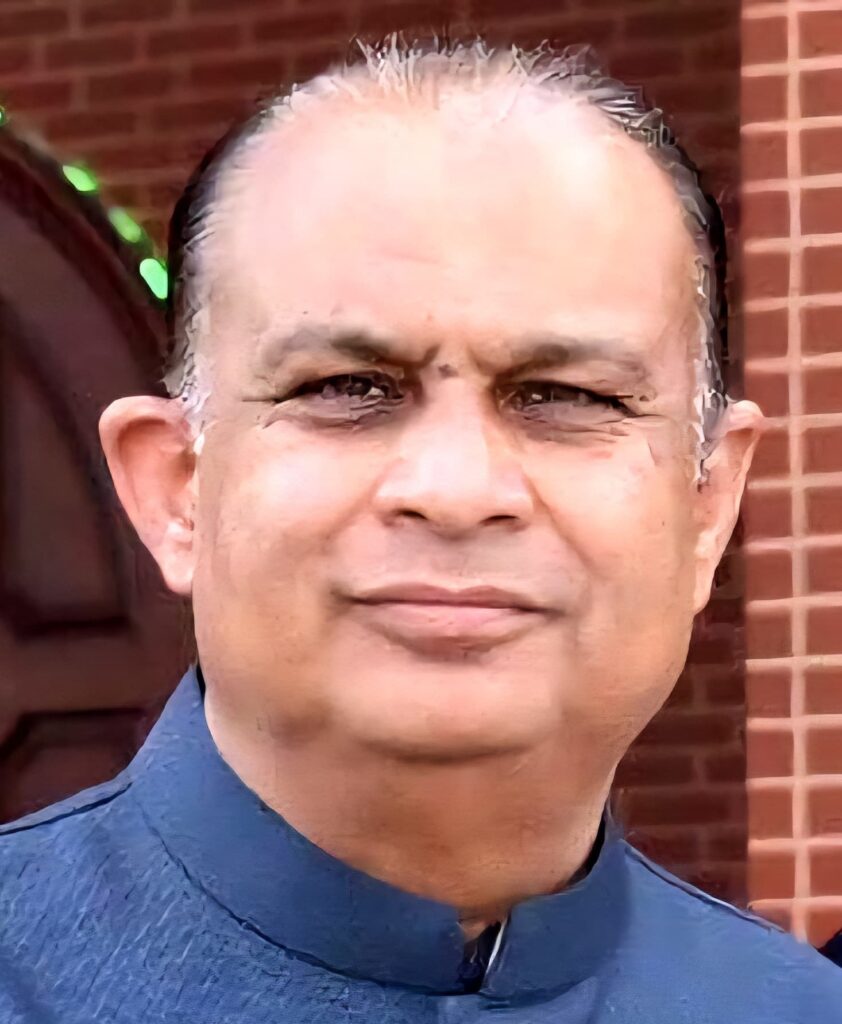
By Abdul Rehman Patel
In the history of states, some decisions are never merely financial; they are symbolic. In addition, some symbols rise so high that their elevation makes the condition of the people on the ground even more visible. The news that Punjab has purchased an expensive government aircraft is not just an administrative choice. It raises a philosophical question: should a debt-ridden economy bear the weight of prestige politics? This question is larger than any single personality or government. At its core, it is about state priorities. A calm, analytical view of Pakistan’s political history reveals a recurring pattern. Particularly during the tenures of the Pakistan Muslim League-Nawaz (PML-N), development narratives have often focused on large, visible, and highly symbolic projects: motorways, metro buses, the Orange Line, signal-free corridors, flyovers, and other infrastructure whose visual impact amplifies political messaging.
It would be inaccurate to claim that these projects were entirely without benefit. Roads improve mobility, transport systems ease urban congestion, and infrastructure does contribute to modernization. But the real question is not benefit—it is balance. In a developing economy with finite resources, where debt servicing consumes a significant portion of national income, and circular debt, fiscal deficits, and import pressures have become structural crises, every major expenditure is more than a cost—it becomes a policy signal. Historically, the PML-N’s strategy has emphasized “visible development”: projects that can be seen, inaugurated, photographed, and immediately felt by the public. Politically, this can be effective. Economically, it often deepens reliance on loans and external financing.
Here lies the central question: is an expensive government aircraft a state necessity, or a symbol of state image? In economics, this is an opportunity cost. Spending on one priority necessarily sacrifices another. An aircraft is never just an aircraft. It could also represent medicines absent in hospitals, teachers missing from classrooms, or investments in social sectors that build long-term national strength. Pakistan’s economic challenges are structural: limited exports, a narrow tax base, unstable industrial output, and fiscal discipline consistently subordinated to political priorities. In such an environment, symbolic expenditures inevitably affect public trust. History shows a pattern: from the 1990s to 2013–2018, large-scale development projects often coincided with rising debt burdens, fiscal strain, and recurring balance-of-payments crises.
This is no coincidence; it reflects a recurring mismatch between ambition and capacity. A philosophical distinction is critical: state prestige and state stability are not the same. A nation may appear modern through flyovers, metros, and aircraft, but its real strength lies in exports, education, human development, and fiscal discipline. Without a strong foundation, the shine at the top cannot endure. Supporters of the aircraft may argue it serves administrative convenience, official travel, or emergencies. Partly, that is valid. However, in economic psychology, public perception is itself measurable. When citizens face inflation, unemployment, and shortages of basic services, elite-style spending deepens the perception of inequality.
This is not just an economic issue; it is a question of moral economics. A persistent trend remains: governments change, but the pattern does not. Short-term popularity has often been prioritized over long-term stability. Borrowed projects, subsidies, consumption-led growth, and symbolic spending create inherited fiscal pressures for future administrations. The aircraft debate is therefore not about a machine. It is about a mindset: a state mindset that prioritizes prestige over prudence, perception over balance. For Pakistan, genuine development lies not in the skies, but in structural economic reform: exports, tax reform, industrial policy, and investment in human capital.
History teaches a quiet but consistent lesson: nations are strengthened not by grand symbols, but by sustainable economic decisions. When the treasury is fragile and ambitions soar, the question is no longer the aircraft—it is the philosophy behind it. When state thinking tilts toward symbolic grandeur, those standing on the ground feel the weight far more than the benefit. Ultimately, the question is simple yet profound: should a debt-laden nation seek dignity in the skies, or stability on the ground? History has almost always favored the latter. And history, unlike politics, rarely applauds spectacle over sustainability.
(The Pakistani-origin American writer and columnist, sheds light on various social and political issues, can be reached at editorial@metro-morning.com)
#Punjab #PakistanEconomy #PublicSpending #FiscalPolicy #DebtCrisis #PoliticalAnalysis #Opinion #MetroMorning
