




By our correspondent
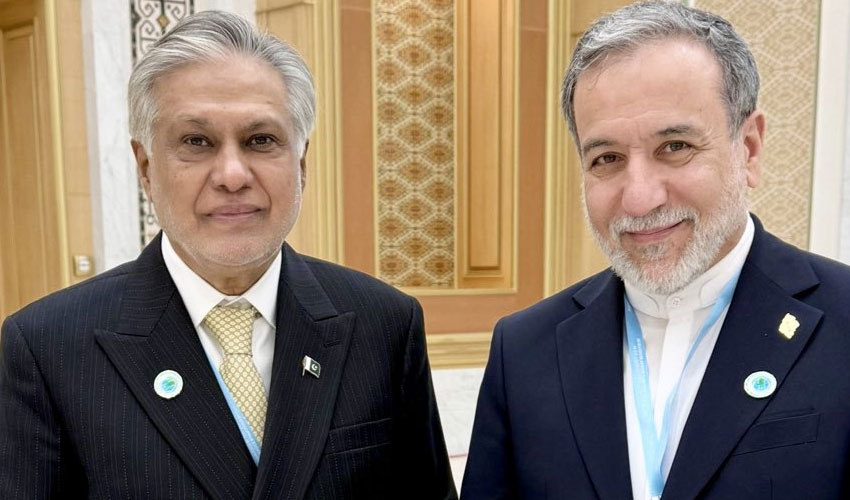
ISLAMABAD: Deputy Prime Minister and Foreign Minister Mohammad Ishaq Dar held a telephonic conversation with his Iranian counterpart, Abbas Araghchi, late on Sunday night, as tensions in the Middle East continued to simmer.
The discussion came at a time when the region appeared to teeter on the edge of further instability, with airstrikes, proxy clashes, and diplomatic friction raising fears of wider conflict. During the conversation, Dar emphasized the urgent need for de-escalation, arguing that dialogue and diplomacy remained the only viable path to lasting peace.
Deputy Prime Minister painted a stark picture of the potential consequences if hostilities were allowed to spiral, warning that more lives could be lost, economies could buckle under the strain of sanctions, and entire communities might be torn apart by protracted conflict. Pakistan, he insisted, remained committed to supporting any initiative that could help restore stability to the region.
Speaking from Tehran, Araghchi acknowledged the seriousness of the moment. Iran, which has long been at the center of regional tensions, faced renewed provocations that tested its resilience. The call echoed Pakistan’s broader diplomatic efforts, including Prime Minister Muhammad Shehbaz Sharif’s recent engagements with Turkish and Egyptian counterparts, in which similar calls for mediation and restraint were made.
The exchange highlighted Pakistan’s growing role as a mediator in a volatile neighborhood. Positioned at the crossroads of Iran, the Gulf states, and the wider Muslim world, Islamabad leveraged its balanced relationships to act as a bridge between competing interests.
