




MM Report
KABUL: Afghanistan’s economic crisis deepened sharply under the rule of the Afghan Taliban, with new international assessments warning that extremist policies and institutional collapse had pushed the country closer to long-term economic isolation and social breakdown.
According to a recent report by the United Nations Development Program, investment in Afghanistan had fallen to critically low levels as confidence in the country’s economic direction continued to erode. The report said uncertainty, weak governance and restrictive policies introduced by the Taliban authorities had discouraged both domestic and foreign investors, leaving the economy heavily dependent on humanitarian assistance.
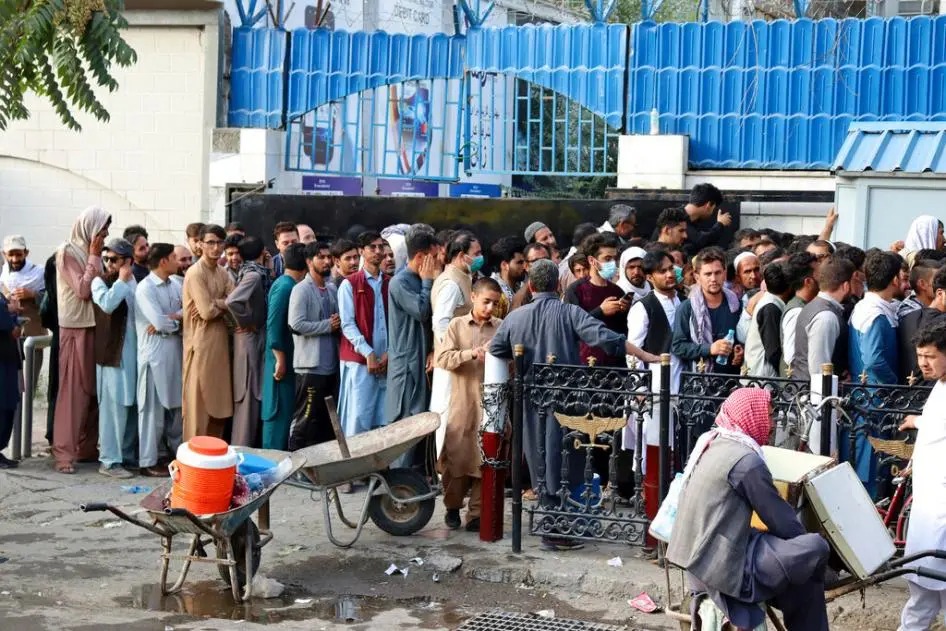
The UNDP noted that access to the formal banking system remained severely limited. Only around six per cent of the population held a bank account, reflecting the near paralysis of financial institutions since the Taliban takeover. International sanctions, restrictions on cash flows and the absence of a functioning regulatory framework had further constrained economic activity, forcing many Afghans to rely on informal networks to survive.
The report also highlighted a growing exodus from the country. More than 1.6 million Afghans were reported to have fled in recent years, seeking safety and economic opportunity abroad as living conditions deteriorated at home.
Analysts said the scale of migration underscored the lack of livelihoods and the collapse of public confidence in the Taliban-led administration. The Taliban’s ban on girls’ education beyond primary level and limits on women’s employment had removed a significant portion of the workforce from the economy.
#AfghanistanCrisis #TalibanEconomy #EconomicCollapse #UNDPReport #HumanitarianCrisis #InvestmentDecline #BankingParalysis #MigrationCrisis #WomenExcluded #SocialBreakdown #AfghanistanUnderTaliban #EconomicIsolation #FinancialChallenges #HumanRightsImpact #GlobalConcern
