




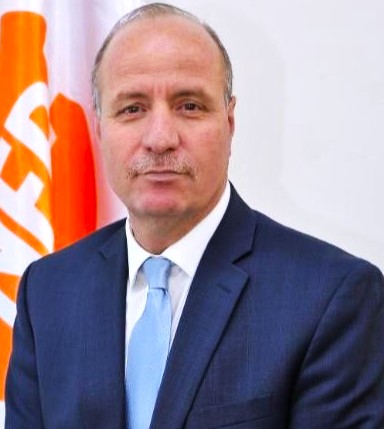
By Dr. Luay Shabaneh
On International Women’s Day, we pause to reflect on the resilience, leadership, and contributions of women and girls, both in Pakistan and across the globe. This year’s theme, Rights, Justice, Action, For All Women and Girls, serves as a reminder that the progress of society is inextricably linked to the rights and well-being of its women. Investing in education, health, and opportunities for women and girls does not benefit only them; it strengthens families, fortifies communities, and drives national development. When women thrive, society thrives.
Yet, the celebration of this day comes against a backdrop of profound challenges. Across Pakistan, the wider region—including Afghanistan, Iran, Palestine, and the Gulf States—and beyond, women and girls continue to bear the brunt of conflict, displacement, and insecurity. In places scarred by war or political upheaval, access to basic services is disrupted, livelihoods are threatened, and the very safety of women is compromised. But even outside conflict zones, barriers remain. Too many women face hurdles in accessing justice, healthcare, education, and the rights that should be guaranteed to all. When maternal health facilities close or supply chains falter, the consequences are more than inconvenient—they constitute reproductive violence, a violation of fundamental human rights that too often goes unrecognized.
Gender-based violence, harmful traditional practices, and the denial of sexual and reproductive health care remain persistent obstacles to safety, dignity, and well-being. In Pakistan, the reality is stark: one in three women experiences gender-based violence, yet many survivors remain silent, deterred by systemic barriers and fear of stigma. Justice is not a set of laws on paper; it must be survivor-centered, addressing not only traditional forms of abuse but also modern threats, such as technology-facilitated violence, that jeopardize women’s safety in both public and private spheres. True progress depends on institutions that respond with empathy, protection, and accountability.
Despite these challenges, women and girls continue to lead change across Pakistan. They work as health professionals, educators, entrepreneurs, community leaders, and advocates for equality. Their courage and determination shape the country’s progress, inspiring others to act and demanding that institutions deliver on promises of justice and opportunity. The contributions of women are not ancillary; they are central to the growth and resilience of families, communities, and the nation itself.
International and national partners, including UNFPA, remain committed to ensuring that every woman and girl can exercise her rights, access essential services, live free from violence, and realize her potential. The vision is clear: a world in which every pregnancy is wanted, every childbirth is safe, and every young person can fulfil their promise.
On this International Women’s Day, reflection must give way to action. Investing in women and girls, protecting their rights, and ensuring equal access to justice, health care, and opportunities is not merely a moral imperative—it is essential for the progress of Pakistan and the wider world. When women and girls succeed, society succeeds. Their triumphs are the measure of a nation’s strength and the compass for a just and equitable future.
(The writer is a seasoned professional, currently serves as the UNFPA Representative to Pakistan, possesses extensive expertise in technical support for population censuses, household surveys, youth policy, and population research and development, can be reached at editorial@metro-morning.com)
#WomensDay #WomenEmpowerment #GenderEquality #GirlsEducation #PakistanNews
