




EU and India forge comprehensive security and defence partnership to integrate industries, strengthen strategic ties, and boost regional stability
MM Report
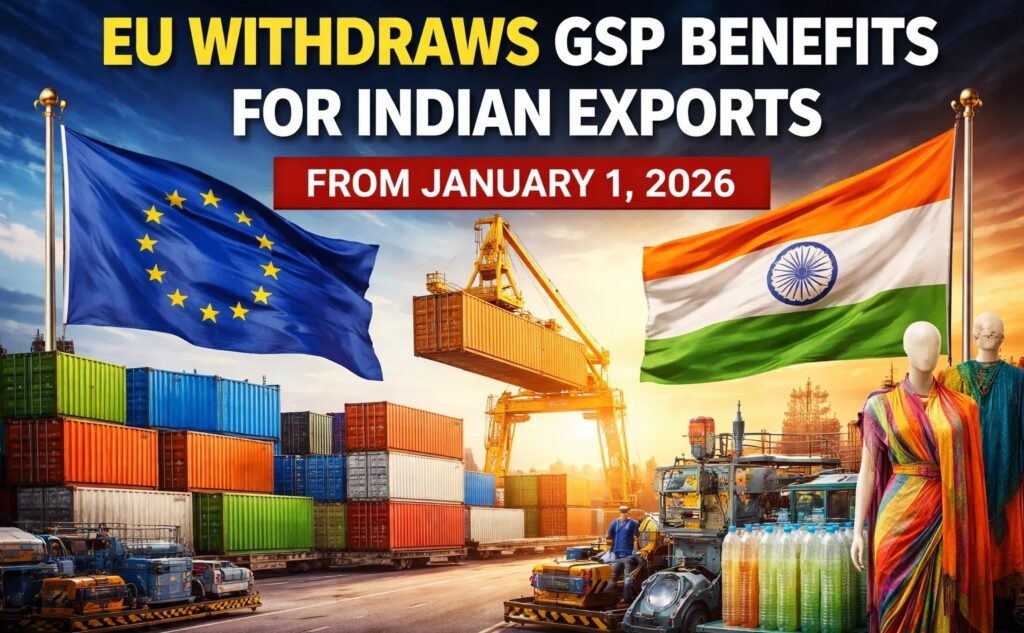
NEW DELHI: The European Union (EU) and India are finalizing major free trade and defence partnership agreements, with high-level EU officials, including European Council President António Costa, European Commission President Ursula von der Leyen, and EU foreign policy chief Kaya Kallas, visiting New Delhi to oversee negotiations.
Reports indicate that the EU is pressing India to reduce tariffs on European automobiles, while India seeks assurances that its steel exports will not be affected by forthcoming EU tariffs or the bloc’s carbon border adjustment measures. Negotiations continued over the weekend, with expectations of resolution by Tuesday. Analysts anticipate India will reduce car tariffs, while the EU will provide additional decarburization support to Indian companies.
Agriculture remains a contentious issue, with meat, poultry, rice, and sugar products excluded from tariff cuts, while EU exports of wine, spirits, and olive oil could face significantly higher duties in India, potentially favoring agricultural exporters from France and Ireland.
The agreements also include an EU–India security and defence partnership, aiming to integrate European and Indian defence industries. Officials noted that India, traditionally a buyer of Russian weapons, may double its procurement from Europe, including additional Dassault Rafale fighter jets from France.
However, analysts warn the trade deal could adversely impact Pakistan. Currently, Pakistan benefits from the EU’s GSP+ status, allowing duty-free exports of textiles. With India’s potential duty-free access under the new agreement, Pakistan could lose 5–10 percent of its export market share in Europe, directly affecting its textile and garment sectors.
Experts say Pakistan’s reliance on GSP+ for roughly 75 percent of its exports may become less adventures, increasing competition from India’s stronger industrial base. This shift could reduce Pakistan’s export earnings by an estimated 5–10 percent, placing additional pressure on the country’s economy and balance of payments.
The analysis underscores the need for Pakistani authorities and industry stakeholders to proactively address potential challenges from the EU–India trade arrangement to safeguard the nation’s textile exports.
#EUIndiaFTA #GlobalTrade #InternationalTrade #EUPolitics #IndiaEconomy #PakistanEconomy #TextileIndustry #PakistanTextiles #GSPPlus #ExportChallenges #TradePolicy #EconomicImpact #SouthAsia #Geopolitics #DefencePartnership #EUIndiaRelations #BalanceOfPayments #IndustrialCompetition #WorldNews #BusinessNews #BreakingNews #TrendingNow #NewsUpdate
