




By Asghar Ali Mubarak
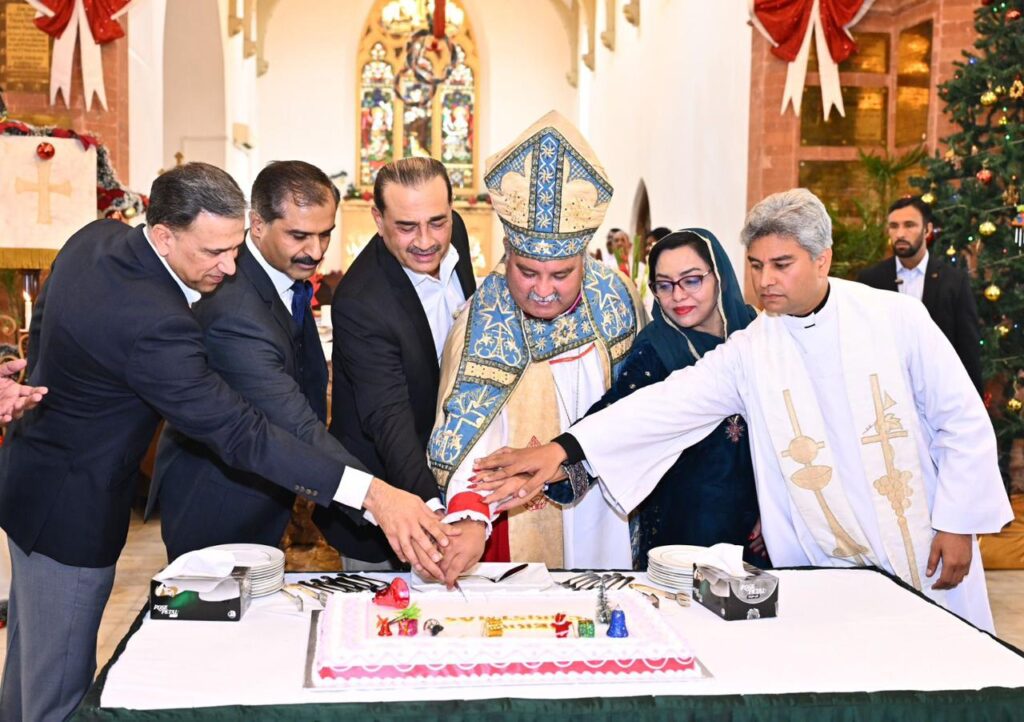
RAWALPINDI: Field Marshal Syed Asim Munir attended the Christmas celebrations at Christ Church in Rawalpindi, joining members of the Christian community in marking one of the year’s most cherished occasions.
The senior military official offered warm Christmas greetings and conveyed his wishes for peace, prosperity, and harmony, highlighting the spirit of the festival as a moment for reflection and togetherness.
During his visit, the Field Marshal paid homage to Pakistan’s founding father, Quaid-e-Azam Muhammad Ali Jinnah, invoking the principles that underpinned the creation of the nation. He drew attention to Jinnah’s enduring vision of equality, freedom, and religious tolerance, emphasizing that the protection of minority rights remained a cornerstone of Pakistan’s ideological foundation.

His remarks were seen as a reaffirmation of the state’s commitment to inclusivity and social cohesion, particularly for communities that had long contributed to the country’s cultural and civic fabric. Munir also engaged directly with the congregation, acknowledging the significant role that Pakistani Christians had played in the country’s development and security.
Field Marshal Munir highlighted the distinguished service of Christian citizens within the Pakistan Armed Forces, praising generations of dedication and sacrifice that had contributed to national stability and resilience. Beyond recognizing individual contributions, he underscored the broader importance of interfaith harmony and mutual respect, noting that Pakistan’s strength lay in its diversity.
Munir stressed that the nation’s progress depended not on sectarian divisions but on unity, equal opportunities, and adherence to constitutional values that transcended religion, ethnicity, caste, or creed. The visit was warmly received by church leaders and attendees, who described the Field Marshal’s presence as a gesture of goodwill and reassurance. Observers noted that such interactions reflected ongoing efforts to strengthen ties between state institutions and minority communities, fostering a spirit of inclusion and shared national identity in a country often defined by its rich pluralism.
