



The initial $1 billion tranche under the program was released immediately at its launch, swiftly followed by a second $1 billion instalment in May 2025
By S.M. Inam
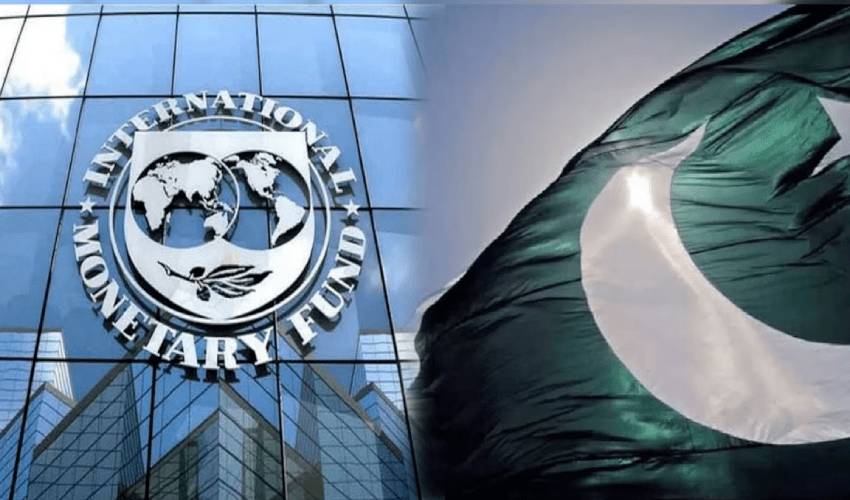
ISLAMABAD: Pakistan was poised to receive approval for $1.2 billion from the International Monetary Fund (IMF) as the fund’s executive board convened to review the country’s financial program.
The discussions, scheduled from 8 to 14 December, focused on Pakistan’s staff-level agreement under its existing loan arrangements, with expectations that the board would release $1 billion under the current Extended Fund Facility (EFF) and an additional $20 million from the Resilience and Sustainability Fund (RSF), earmarked for climate-related initiatives.
The EFF program, spanning 37 months, had been launched in September 2024 to support Pakistan’s economic recovery and strengthen macroeconomic stability. The first $1 billion tranche under the program was disbursed immediately upon its commencement, followed by a second instalment of the same amount in May 2025.
If approved, the forthcoming release would constitute the third instalment under the EFF and represent the first official disbursement from the climate-focused RSF, signaling the IMF’s commitment to supporting sustainable development alongside financial stability. Analysts noted that the timing of the release was significant, coming amid ongoing efforts by Pakistan to stabilize its fiscal position and restore investor confidence.
The combined disbursement was expected to provide breathing room for the government, helping to manage debt obligations and address immediate budgetary pressures while supporting projects aimed at climate resilience. The RSF component, in particular, was designed to finance initiatives that could mitigate the impact of climate-related challenges, including infrastructure projects, disaster preparedness, and environmental sustainability programs.
Observers also highlighted that the IMF’s approval process reflected both technical scrutiny and broader confidence in Pakistan’s reform measures, including fiscal consolidation and structural adjustments agreed under the EFF. The anticipated release was therefore seen not only as a financial lifeline but also as a signal to international markets and investors that Pakistan remained engaged in responsible economic management. While the disbursement offered immediate fiscal relief, experts emphasized the importance of sustained reforms and careful implementation of projects financed by the IMF. The combination of monetary support from the EFF and climate-focused funding from the RSF underlined the growing intersection of economic stability and sustainable development in global financial assistance, with Pakistan positioned as a key recipient navigating both challenges simultaneously.
