




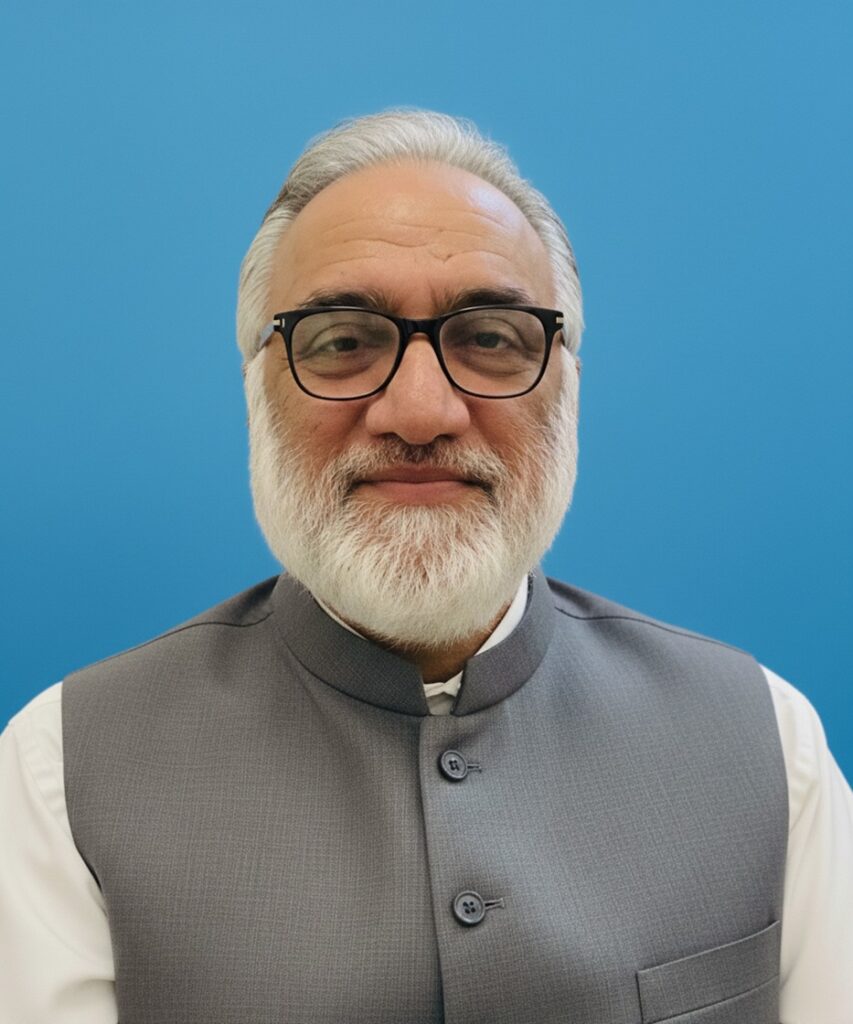
Dr. Zafar Iqbal
In the context of Israeli aggression, American-Israeli machinations, and the state of invasion, Iran’s expectations and the response of Muslim countries represent a perplexing situation that reveals the strategic expanse of American and Zionist influences. In this regard, Iran’s ambassador to Bangladesh has expressed his dissatisfaction in somewhat open words. He has complained that a clear condemnation was expected from a brotherly Muslim country, but the silence is painful. Following such an expression, Bangladesh’s diplomatic strategy has come under question, where Dhaka’s cautious and ambiguous stance on the issue of American attacks on Iran has displeased Tehran.
Domestically as well, the government’s silence and unclear statement are being criticized. Iran’s Ambassador Jalil Rahimi Jahanabadi, openly expressing displeasure over the Bangladeshi government’s statement, said: “We were hurt by Bangladesh’s statement. It should have been clearer. Bangladesh is a Muslim country; we expected as a brotherly country that it would condemn the aggression against Iran, but that did not happen. This is disappointing for us.” The Iranian ambassador stated that although Tehran will not send an official protest letter, he wishes to raise this matter directly with the Prime Minister—if a meeting can be arranged. He further added that Bangladesh’s statement only expressed concern, while the aggression was not clearly condemned.
Jalil Rahimi Jahanabadi, citing other countries, said that countries like Pakistan and Turkey clearly condemned the attacks and appealed for peace and negotiations, while the European country Spain also openly opposed this action. According to analysts, Bangladesh’s cautious diplomacy has brought it into a difficult position, where on one hand it must maintain relations with global powers, and on the other hand it faces expectations and its own role in the Muslim world. Some analysts believe that Bangladesh’s current government, considering factors such as economic development, balance with China and India, and fear of American sanctions, may refrain from taking an open stance on the issue of Iran.
Similarly, another aspect is that India and China have deep influences on Bangladesh’s diplomacy. India is close to America, while China is an ally of Iran. Bangladesh attempts to maintain a balance between these two powers. In this context, Bangladesh’s ambiguous stance on Iran may actually be the result of the pressure of a “policy” of maintaining relations with both Delhi and Beijing. Although there is strong public reaction in Bangladesh regarding the BJP-style relationship, the BNP government nonetheless appears eager to moderate relations with India. India has also indicated that it is willing to work with Bangladesh’s new setup and is not insistent on making the Awami League its only asset and only channel.
Are the people of Bangladesh expressing solidarity with Iran? Has the local media given importance to this issue? The past century of global politics is filled with continuously emerging examples of the exploitation of Shia-Sunni geopolitical sensitivity and division for various purposes. While Bangladesh may appear diligent in satisfying internal and external factors, it may also view the option of finding its own comfort in “satisfying the American/Zionist and allied global front” as a convenience. Especially when the option of remaining silent and thereby somewhat assisting major powers in this situation exists as a comfort zone and an island of safety, compared to the difficulties of principled stance (knowing the difficulties of principled approach).
This situation may possibly provide temporary convenience within a desired American agenda, but one thing is clear: no unipolar global system is becoming an accepted reality as the only option for the world. A large number of people are becoming fellow travelers of the growing caravan raising their voices against oppression and aggression, and are aligning themselves with the caravan’s bell. The drivers of diplomacy—where economic interests, short-term and long-term strategic goals, geographical conditions, and international sensitivities lie—also include a nation’s ideological alignment and commitment to principles, which are important for elevating long-term national prestige.
Just as Iran, suffering from open aggression, looks toward countries that believe in the supremacy of principles and justice and adherence to international law, it also legitimately has higher expectations from Muslim countries in this regard. Given the depth of American influence in Arab countries, their complex situation is evident. But Iran has somewhat different expectations from Turkey, Pakistan, Malaysia, Indonesia, and Bangladesh. In such a situation, the coldness from Bangladesh toward a major Islamic country is undoubtedly an indication that the trend of prioritizing other factors over principles regarding future alignments is flourishing.
(The writer is involved in training and practical services in healthcare management, quality, and patient safety. His interests include current affairs, IR, environmental issues, Iqbal studies, political, literary, and national affairs, can be reached at editorial@metro-morning.com)
