




By Uzma Ehtasham
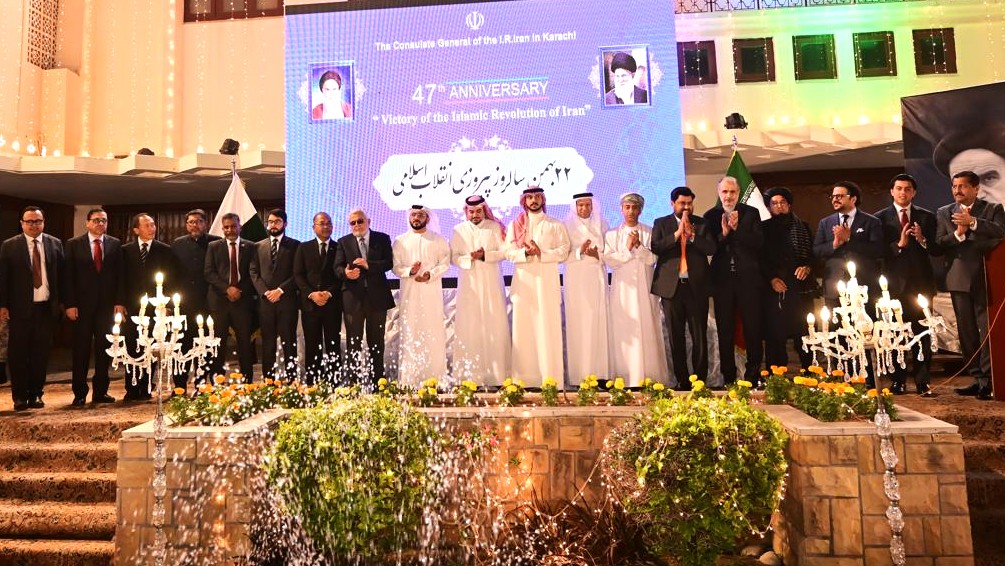
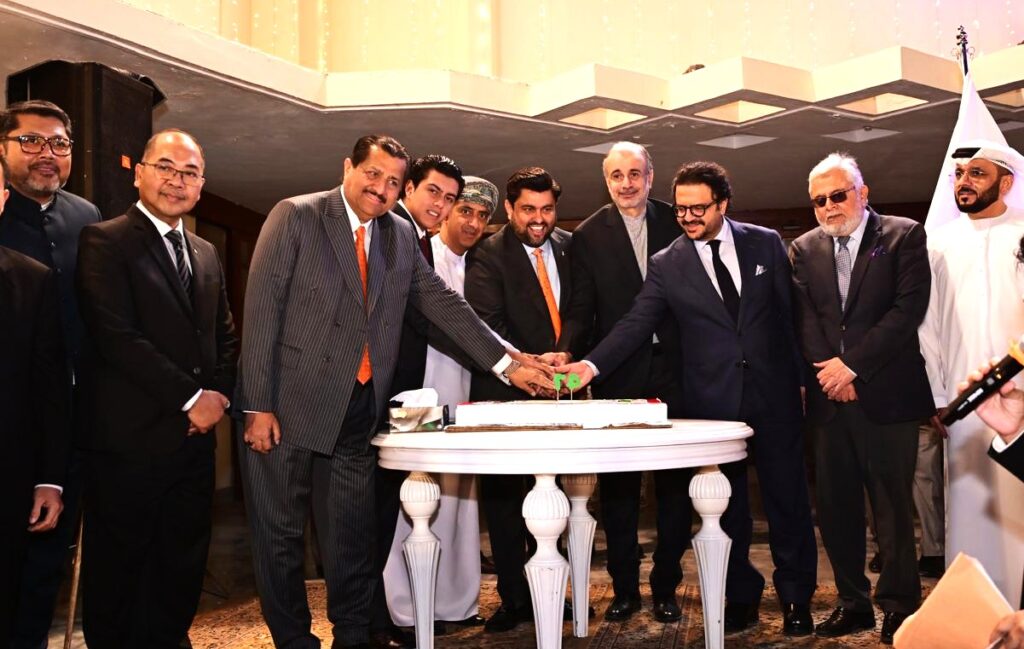
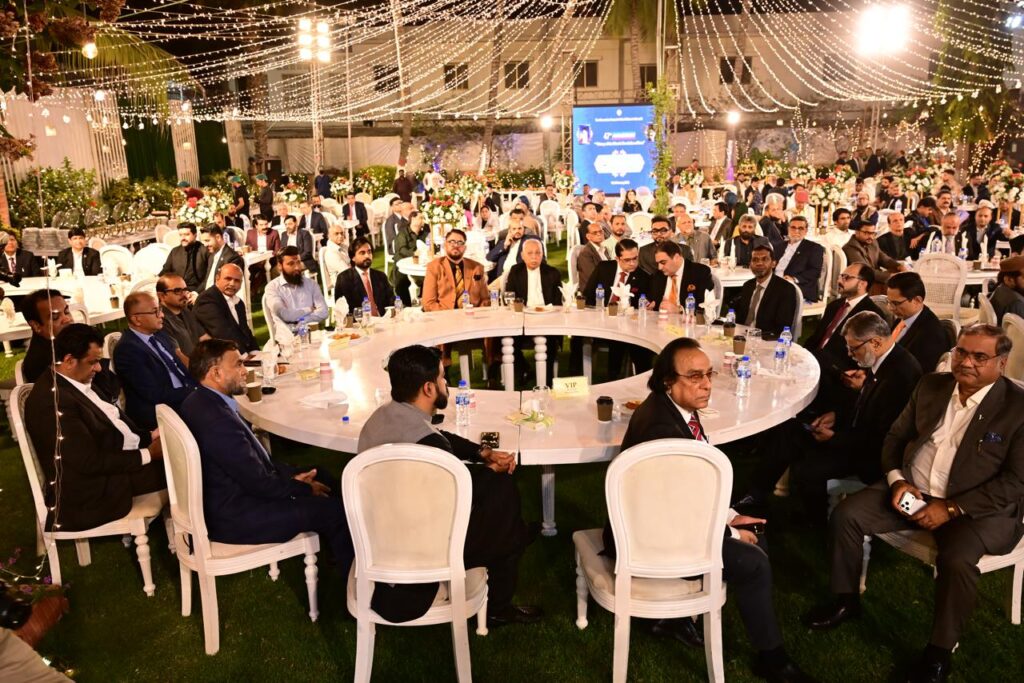
KARACHI: A ceremony to mark the 47th anniversary of Iran’s Islamic Revolution was held at the Iranian consulate in Karachi, drawing senior Pakistani officials, foreign diplomats and business leaders.
Sindh Governor Kamran Khan Tessori attended as chief guest and was joined by PPP’s MNA Dr Mirza Ikhtiar Baig, Sindh government spokesperson Syeda Tahseen Abidi, and several consuls general based in Karachi, including representatives from Sri Lanka, Saudi Arabia, Oman, Qatar, Iraq, Thailand, Afghanistan, Russia, the United Arab Emirates, Malaysia, Turkey, Vietnam and Kuwait.
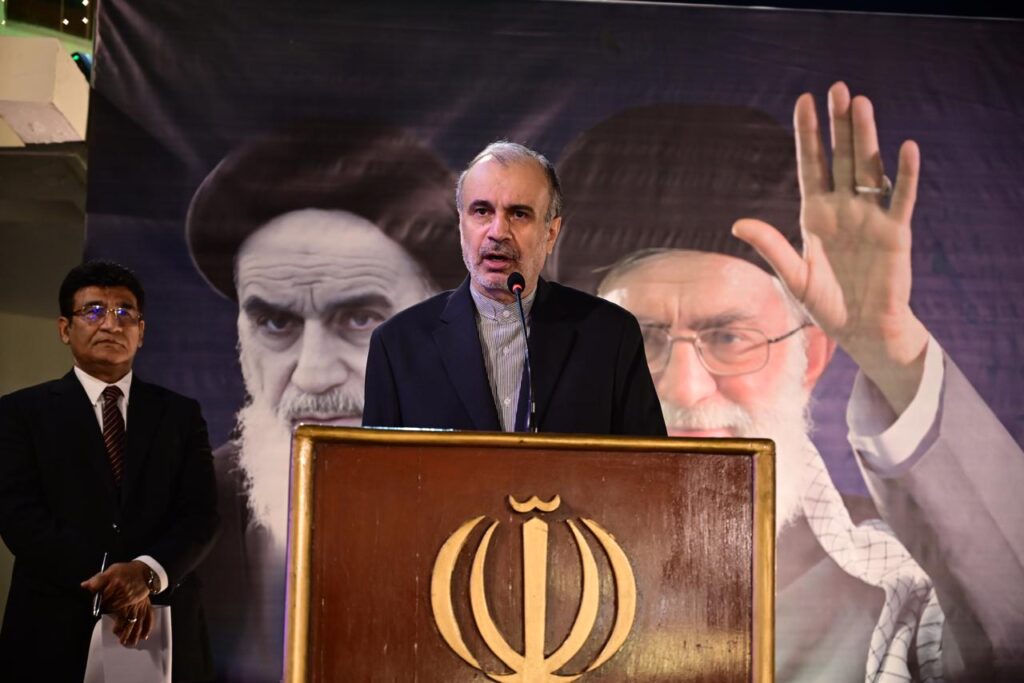
Addressing the gathering, Iran’s Consul General in Karachi Akbar Eissa Zadeh welcomed the guests and highlighted the Iran’s political and economic situation. He accused the United States of attempting over the past year to undermine Iran’s civilian nuclear program through what he described as pressure tactics. He said five rounds of negotiations had taken place, with a sixth planned, before what he called military aggression by the US and Israel led to economic losses and casualties inside Iran.
Eissa Zadeh also referred to recent protests in Iran, which began on 7 January 2026 over economic hardships. He said the demonstrations were later “hijacked” by foreign-backed militant elements, resulting in violent unrest in which members of Iran’s security forces and innocent civilians were killed and injured.
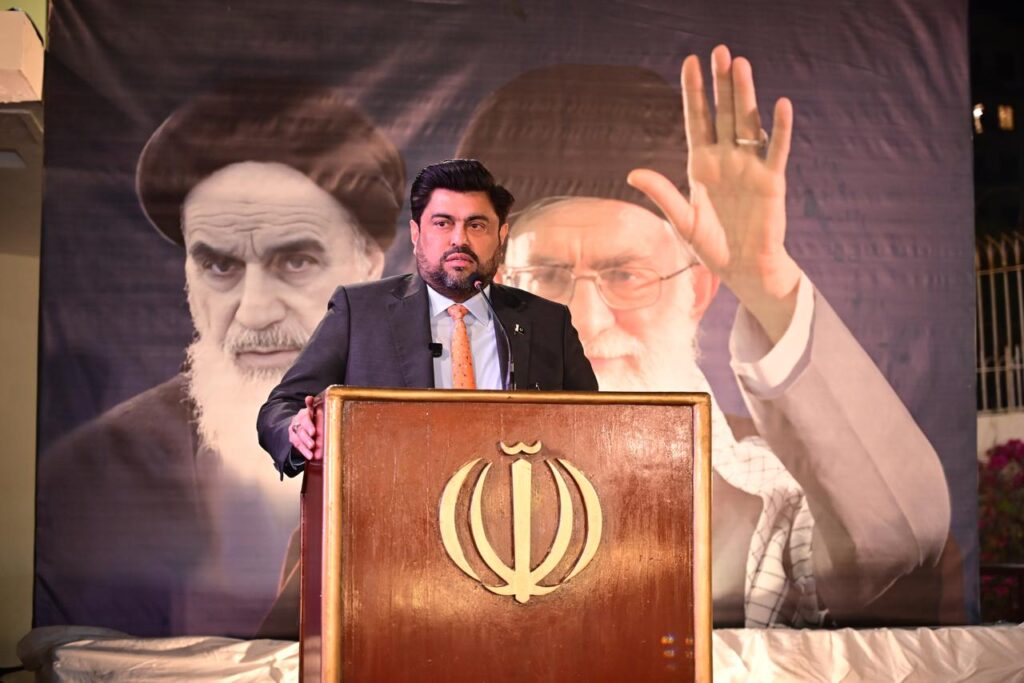
Speaking at the event, Tessori congratulated the Iranian leadership and people on the anniversary. He said Pakistan and Iran shared deep historical, religious and cultural ties, noting that Iran was the first country to recognize Pakistan after independence, while Pakistan was the first to formally recognize Iran’s Islamic Revolution.
Tessori described the revolution as an expression of the Iranian people’s aspirations and said Iran had maintained its position internationally despite external pressure over the past five decades. He praised what he called Iran’s progress in various sectors since 1979. He also called for greater unity among Muslim countries, arguing that closer political and economic cooperation would strengthen the wider Muslim world.
Referring to the war in Gaza, Tessori said he had convened a meeting at the Governor’s House after the outbreak of hostilities and declared support for what he termed “jihad”, adding that his stance was guided by faith.
On negotiations with Washington, the Iranian envoy further said meaningful diplomacy required respect for national sovereignty and mutual interests. Talks conducted under threats or based on “one-sided and illegitimate demands” could not succeed, he said.
Meanwhile, reports said that Iran had rejected any proposals it believed would compromise its sovereignty, including reported US demands related to handing over enriched uranium and oversight of Iranian oil companies.
The governor said spiritual and economic ties between Pakistan and Iran were strengthening. He noted that Prime Minister Shehbaz Sharif had repeatedly expressed the aim of increasing bilateral trade to $10bn, describing it as evidence of serious efforts to expand economic cooperation between the two neighbours.
