



By Sudhir Ahmad Afridi
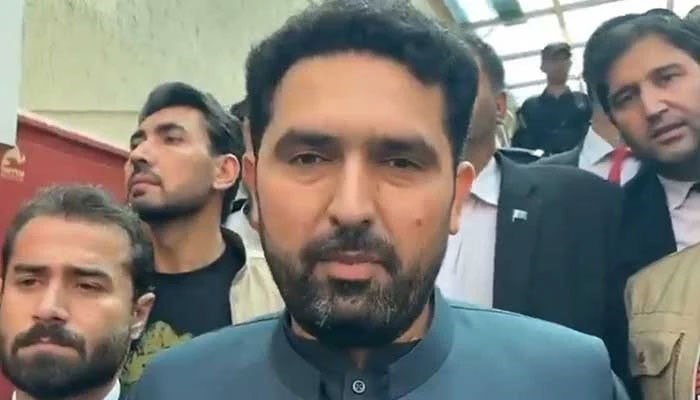
PESHAWAR: Khyber Pakhtunkhwa Chief Minister Sohail Afridi issued a firm warning on Tuesday, declaring that any attack on Pakistan, including those originating from Afghanistan, would be met with a definitive and forceful response. Speaking informally with journalists in Peshawar, the Pakistan Tehreek-e-Insaf (PTI) leader struck a combative tone on national security. “Whoever attacks Pakistan, including Afghanistan, will get a full-force reply,” he said, signaling the provincial government’s readiness to support retaliatory measures against cross-border aggression.
Afridi also addressed the sensitive issue of Afghan refugees residing in Pakistan, urging their honorable and dignified return to their homeland after many years in the country. “Afghan refugees have spent so much time here; they should return with dignity,” he remarked, while emphasizing that his administration’s intentions were rooted in legal and humanitarian considerations rather than political expedience.
In reinforcing the rule of law, the chief minister clarified the principles guiding his government’s actions. “We have not been brought [into power] against anyone,” he stated. “We have come for the supremacy of the constitution and the law. Our every step will be in accordance with the law and the constitution.”
Afridi’s comments reflect the delicate task of balancing firm national security imperatives with constitutional and humanitarian obligations. The remarks underscore the provincial government’s commitment to responding decisively to threats while maintaining adherence to legal frameworks, particularly in a region historically affected by cross-border tensions and a significant refugee presence.
The statement comes amid growing concerns over security along Pakistan’s western border and ongoing discussions regarding the status and management of Afghan refugees in the country. Analysts note that Afridi’s dual focus on robust defence measures and legal propriety illustrates the complex interplay between national security, international relations, and human rights considerations that the provincial administration must navigate.
