




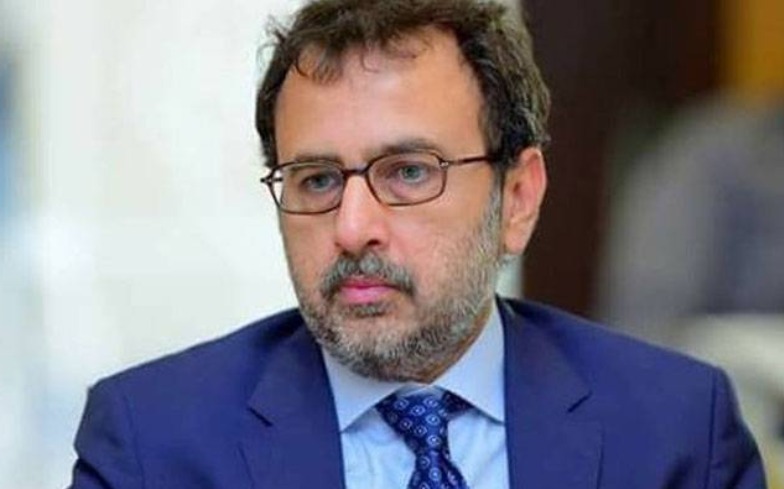
Leghari asserted that the government was steering Pakistan’s power sector toward a fully digital, transparent, and consumer-friendly model, describing the nation as undergoing a historic energy transformation
By Asghar Ali Mubarak
ISLAMABAD: Pakistan will unveil a new set of net-metering reforms in the coming weeks as part of a wider effort to modernize the country’s power sector, federal energy minister Sardar Awais Ahmad Khan Leghari said during an address at the Asia Energy Summit hosted by LUMS University.
Leghari said the government was working to make the power system fully digital, transparent and consumer-friendly, insisting that Pakistan was in the middle of a historic energy transformation. He told delegates that the country aimed to produce 90 percent of its electricity from clean and green sources by 2035, adding that Pakistan’s “solar revolution” had already become a global example, with households installing nearly 50GW of solar panels on their own.
He said Pakistan was currently generating 52 percent of its electricity from clean energy – a milestone that he described as unprecedented. The privatization of electricity distribution companies and reducing circular debt remained among the government’s top priorities, he added.
Leghari warned that poorer countries contributed the least to global emissions yet suffered the heaviest burden of climate impacts. Asia, he said, had become the center of the global energy transition, consuming 48 percent of the world’s energy. He noted that Pakistan had imported 17GW of solar equipment, making it one of the region’s fastest-growing solar markets. In Balochistan, solarizing tube wells was helping ease both water and energy shortages.
He said the government had empowered consumers through digital tools such as the “Apna Meter, Apni Reading” app, allowing households to track usage independently. Energy transition, he argued, was not only an environmental necessity for Pakistan but also a matter of economic survival, as the country contributed less than 1 percent to global emissions yet remained among the ten most vulnerable nations to climate disasters.
Leghari said global energy diplomacy was shifting rapidly and Asian countries would need to take a leadership role. The region was already recording $300bn in climate-related losses annually, though investments in renewable energy had surged by 900 percent, putting Asia ahead of the rest of the world. The minister confirmed that net-metering reforms would be finalized and introduced “within the next few weeks”.
