




The strike hit a Taliban stronghold in Darah district’s Abdullah Khail valley on the night of 7 December, focusing on the village of Manjistu
News Desk
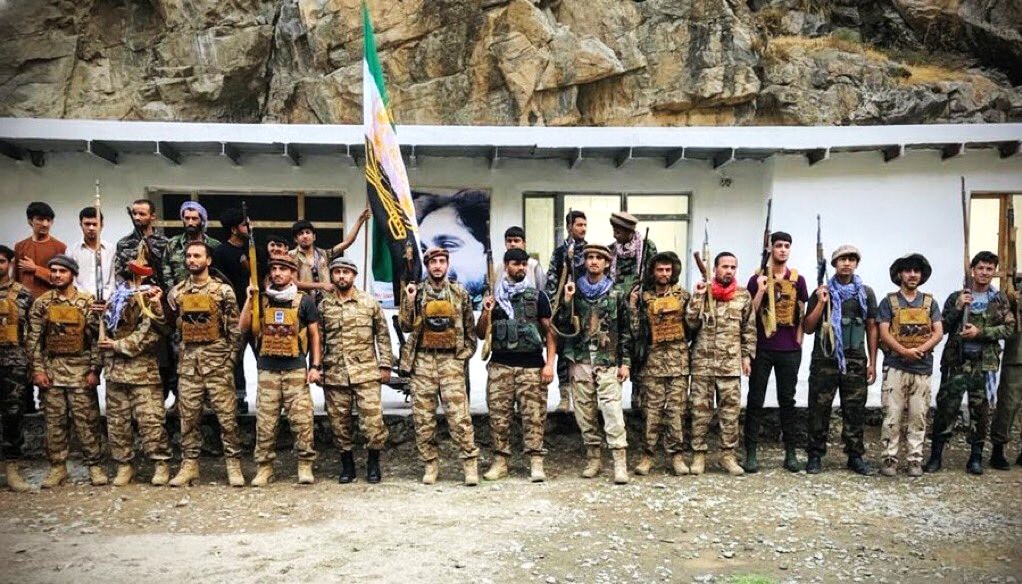
KABUL: The National Resistance Front (NRF) claimed on Wednesday that it had killed 17 members of the Taliban, including the group’s chief of staff in Panjshir province, during a highly coordinated overnight operation in one of the region’s most heavily fortified areas.
According to the resistance group, the strike targeted a Taliban stronghold in the Abdullah Khail valley of Darah district on the night of 7 December, with fighters concentrating on the village of Manjistu. The NRF described the attack as unfolding in two distinct phases, combining planted explosives with rocket fire, ultimately resulting in the complete destruction of the compound.
“No operable infrastructure remains,” the group said, emphasizing that none of its fighters or local civilians were harmed in the operation. Independent verification of these claims was not immediately available, highlighting the difficulty of confirming events in a region with limited access for journalists and international observers.
For the NRF, the operation was framed as a direct response to what it described as Taliban intimidation of local residents in Panjshir. The group presented the strike as evidence of its continued operational capability, a symbolic assertion of resistance amid the Taliban’s repeated claims of full control over the province.
Panjshir has remained a notable exception in Afghanistan’s volatile political landscape. The valley, historically the only province to resist the Taliban during their initial takeover in 2021, continues to serve as both a symbolic and strategic battleground. Sporadic clashes have persisted for years, reflecting enduring tensions between Taliban authorities and opposition forces.
The province’s rugged terrain and strong local networks have allowed resistance groups like the NRF to maintain a foothold, even as much of the country has come under Taliban rule. Taliban officials have not yet issued a public statement regarding the alleged attack.
Analysts noted that while the NRF’s operations remain limited in scope, they carry a potent symbolic significance, signaling that pockets of organized resistance endure and that the group retains the capacity to strike with precision.
The ongoing instability in Panjshir underscores the broader fragility of Taliban governance in areas historically resistant to central control, where local grievances, armed opposition, and complex tribal dynamics continue to challenge the group’s authority.
