




Officials hailed the session as a thorough review of national and international youth initiatives, underscoring Islamabad’s drive to equip young Pakistanis for the global job market
By our correspondent
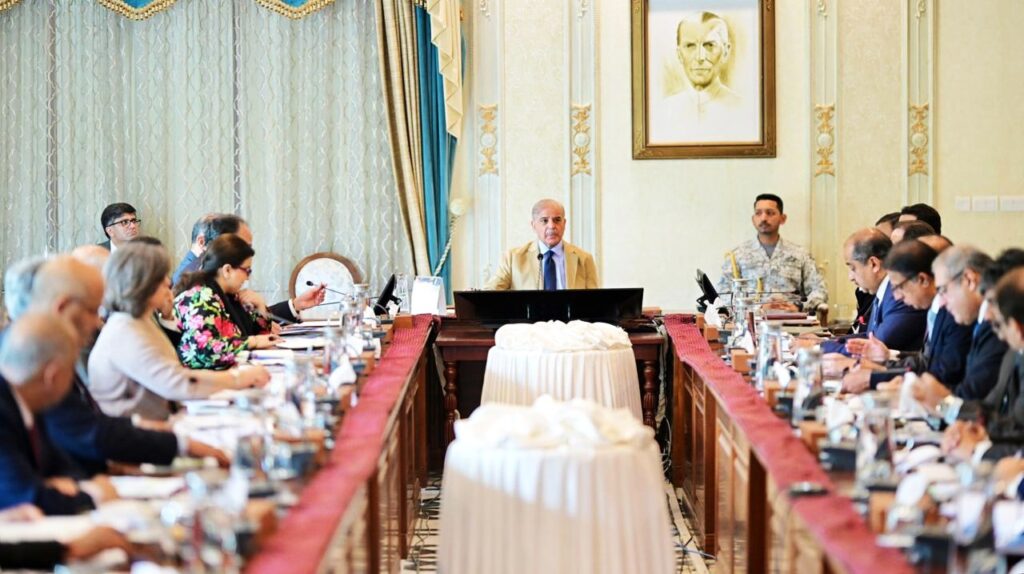
ISLAMABAD: Prime Minister Shehbaz Sharif convened a high-level meeting on Wednesday to review and accelerate efforts aimed at expanding employment opportunities for Pakistan’s youth, underscoring the government’s stated commitment to skills development, job creation, and innovation.
Officials described the session as a detailed appraisal of initiatives both within the country and abroad, reflecting Islamabad’s focus on equipping young people to compete in global job markets. During the meeting, the prime minister expressed satisfaction over the performance of the Prime Minister’s Youth Program, headed by Rana Mashhood, noting its growing impact in creating tangible employment pathways.
“Youth are the future of our nation,” he was quoted as saying, stressing that their empowerment through technical and vocational training remained a top national priority. He highlighted reforms in the National Vocational and Technical Training Commission and praised the outcomes of training initiatives launched through Neotech, which have reportedly begun producing skilled graduates ready for both domestic and international employment.
Officials briefed the prime minister on the range of ongoing projects, including the identification of global job opportunities in sectors such as information technology, healthcare, construction, tourism, and logistics. At the domestic level, coordinated efforts were being made to expand job openings through planning and outreach, with the PM Youth Hub emerging as a central platform for youth to access career resources.
The Higher Education Commission was tracking graduates from 282 universities via a dedicated app, providing data to shape future education and employment policy. The meeting also covered early-stage technical training, with the introduction of Matriculation Tech in 32 federal educational institutions, and plans to roll out Inter-Tech programs to extend technical education further.
Several federal ministers attended, including Musaddik Malik, Ahad Cheema, and Muhammad Aurangzeb, alongside program and education officials. Analysts noted that the prime minister’s emphasis on internationally certified skill development and structured employment tracking reflected a strategic push to integrate Pakistan’s youth into both national and global economic opportunities.
Overall, the meeting signaled Islamabad’s determination to combine policy, technology, and education to build a workforce prepared for the challenges and opportunities of the modern economy, while reinforcing the government’s broader message that youth empowerment remains central to national progress.
