



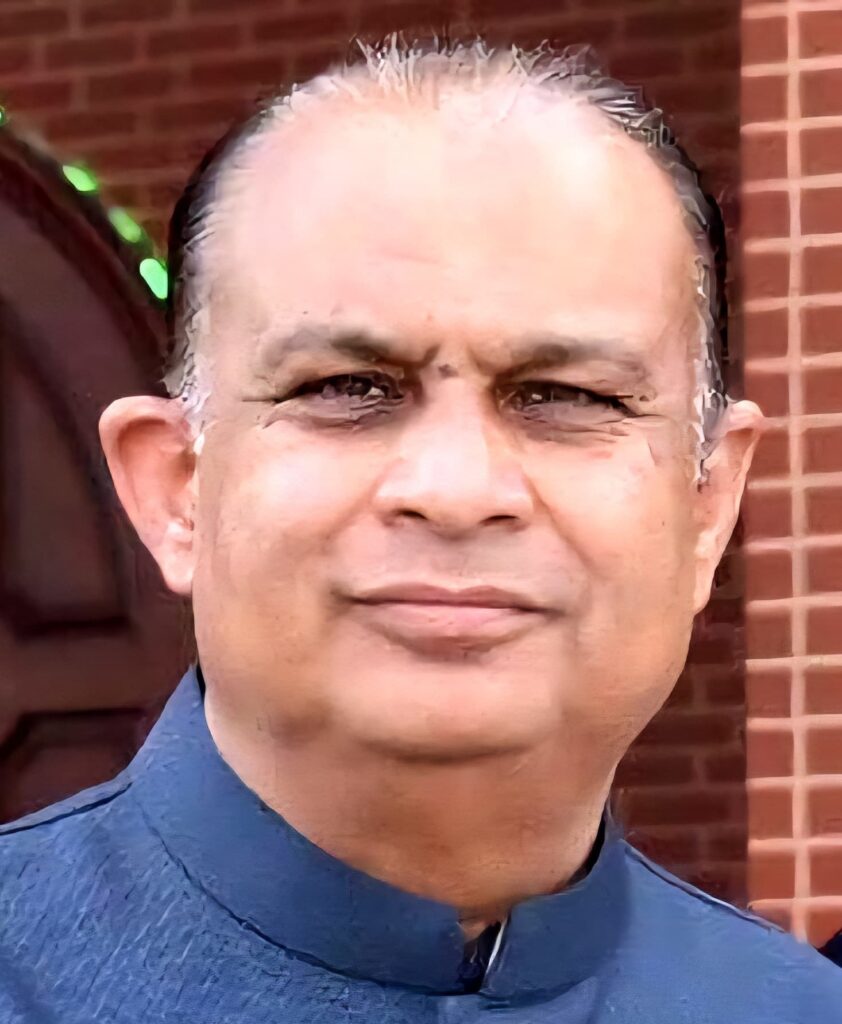
By A Rehman Patel
A routine morning in Lahore in 2026 offers a quiet but devastating snapshot of Pakistan’s economic reality. Outside a government college, three young graduates stand with cups of tea, measuring their futures in silences and half-finished sentences. One has a degree but no replies to internship applications. Another has an idea but no access to capital. The third says nothing at all, his uncertainty more eloquent than words. Their conversation is not exceptional. It is ordinary. And that ordinariness is precisely the problem. Pakistan is one of the youngest countries in the world. Nearly a quarter of its population falls between the ages of 15 and 29, a demographic window that economists describe as either a dividend or a disaster.
For Pakistan, it increasingly resembles the latter. Official figures place youth unemployment at around ten percent, but these numbers flatter reality. They only capture those who pass through the formal gates of education and employment. Millions never appear in these counts at all. Across rural districts, informal settlements and urban slums, young people leave school early, drift into casual labor or remain idle altogether. They possess neither degrees nor documentation, neither skills certificates nor official recognition. Their unemployment is total, but invisible. They exist outside policy debates, labor surveys and economic planning, yet they represent a vast reservoir of frustration and wasted potential. Even among those who do reach higher education, the contradictions deepen.
In classrooms and examination halls, young women consistently outperform their male peers. They dominate merit lists, demonstrate discipline and show resilience in the face of social pressure. By any rational measure, half of Pakistan’s intellectual capital is strong, trained and ready. Yet more than ninety percent of educated women never enter the formal workforce. Their absence is not explained by ability or ambition. It is explained by structural failure. The tragedy is sharpened by timing. Pakistan is living through a global shift in how work is organized. Artificial intelligence, digital platforms and remote employment have loosened the link between geography and productivity. Entire industries now function through screens rather than factory floors. This should have been Pakistan’s moment.
Instead, the country remains stuck in an outdated imagination of labor. There is no technical reason Pakistan cannot create women-run, women-staffed institutions that operate within cultural realities while unlocking economic participation. Online customer services, data processing, telemedicine support, virtual education platforms and e-commerce operations rely on concentration, communication and reliability rather than physical mobility. With coordination between the state, the private sector and financial institutions, millions of educated women could be brought into dignified, income-generating work. This would not be a social favor. It would be an economic correction. The talent of Pakistan’s youth has never been in doubt. Their migration tells its own story. The same young people who are dismissed at home as unemployable become productive workers abroad.
They drive taxis in Gulf cities, code software in Europe, open restaurants in North America and manage logistics in East Asia. Some travel legally, others risk their lives through smuggling routes. But once they arrive, they adapt and succeed. Their transformation is not a miracle. It is a consequence of systems that reward effort rather than suffocate it. This is the central failure Pakistan must confront. The country does not lack intelligence, energy or ambition. It lacks institutions that convert these qualities into opportunity. Banks hesitate to lend to young entrepreneurs. Vocational systems remain disconnected from market demand. Universities produce graduates without pathways. The result is a generation trained to hope but structurally denied the means to act.
In 2026–27, Pakistan’s defining economic question is not the size of its GDP or the terms of its next loan program. It is whether the state sees its youth as a liability to be managed or as capital to be invested. Economic growth figures may look impressive on paper, but real wealth does not sit in spreadsheets or reserves. It lives in human minds. When those minds are wasted, demoralized or exported, no reform package can deliver lasting stability. History offers a blunt lesson. Nations that fail their young people do not collapse suddenly. They erode slowly, through cynicism, disengagement and outward migration. Nations that succeed, by contrast, build ladders rather than safety nets. They offer skills, credit, mentorship and inclusion, not charity or slogans.
(The Pakistani-origin American writer and columnist, sheds light on various social and political issues, can be reached at editorial@metro-morning.com)
