



By Raiz Narejo
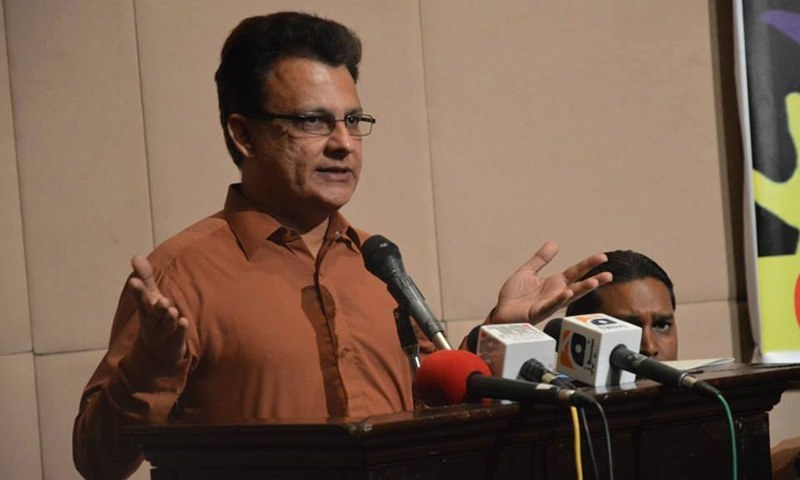
DADU: Speaking at a rally at Sindh University, Ayaz Latif Palijo highlighted the challenges facing students and citizens in Sindh, emphasizing the urgent need to tackle corruption, insecurity, and the entrenched feudal system.
Palijo said opportunities for merit-based employment and education were blocked for Sindh’s youth, and that students were seeking relief from crime and corruption. He pointed to widespread hunger, poverty, and lawlessness, noting that many families in informal settlements and villages were unable to afford even basic meals.
He criticized Sindh’s transformation into a hub of corruption, feudal dominance, crime, and “wadera” rule, adding that women, minorities, and children remained unsafe in both urban and rural areas. Palijo demanded an immediate halt to the illegal occupation of Sindh’s land and water, urging political parties to refrain from exploiting extremism and ethnic sentiment for political gain.
Invoking the legacy of Shah Latif, Palijo stressed the importance of upholding his message of revolution, patriotism, and respect for laborers, and vowed to protect Sindh from extremism influenced by Central Asian and Mongol traditions. He warned against any encroachment on Shah Latif’s lands and resources.
Palijo also criticized the federal government, parliament, and judiciary for ignoring public grievances, asserting that all parties elected from Sindh had failed the people and must hold themselves accountable. He reminded the Prime Minister of the public’s losses and gains over the past two years, questioning how governments could ensure governance while depriving citizens of their basic rights.
He insisted that no occupation of Sindh’s water, lands, islands, or other resources would be tolerated and called for the deportation of all illegal immigrants. Palijo condemned extrajudicial killings and violence as threats to the province’s peace, asserting that national progress could only be achieved through equality, justice, and tolerance—not corruption, fear, or oppression.
