




By Moin Ullah Shah
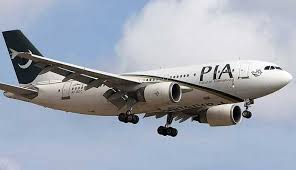
KARACHI: The successful privatization of Pakistan International Airlines (PIA) on 23 December 2025 marks a historic milestone, according to Mian Zahid Hussain, former provincial minister and president of the Pakistan Businessmen and Intellectuals Forum (PBIF). He said the move has rescued the national treasury from a long-standing financial burden and restored investor confidence in Pakistan’s economic reforms.
The competitive and transparent auction, which fetched PKR 135 billion—well above the government’s set price of PKR 100 billion—saw 75% of PIA shares transferred to a consortium led by prominent businessman Arif Habib, including partners Ahmed Mukhtar, Gohar Ejaz, and Aqeel Karim Dhedhi.
Hussain explained that 92.5% of the proceeds will be directly reinvested into PIA to enhance operational capacity, while the remaining 7.5% will go to the national treasury. The new owners are also committed to investing an additional PKR 80 billion over the next five years. The airline’s fleet of 18 aircraft will gradually expand to 64, with 18 new planes to be added immediately, and no employee layoffs will occur for at least one year post-privatization.
Before privatization, PIA had become a “white elephant,” with cumulative losses exceeding PKR 830 billion and annual government bailouts of around PKR 100 billion. Selling 75% of its shares has shifted operational responsibility to the private sector and reduced the direct debt burden on taxpayers by roughly PKR 35 billion annually. Hussain noted that the move aligns with IMF-approved structural reforms and will free up financial space for developmental projects.
He added that the airline’s modern fleet will enhance travel for overseas Pakistanis, supporting direct flights to the UK, EU, and US, while improving cargo capacity to provide exporters with affordable and reliable access to international markets.
Hussain described PIA’s privatization as the first major sell-off in Pakistan in two decades and called on the new management to restore the airline’s national pride and reputation as a symbol of economic performance and investment potential, reviving the tradition of “Great People to Fly With.”
