




Pakistan braces for economic shock as Middle East conflict rattles global fuel markets, prompting urgent measures to shield the nation
By Asghar Ali Mubarak
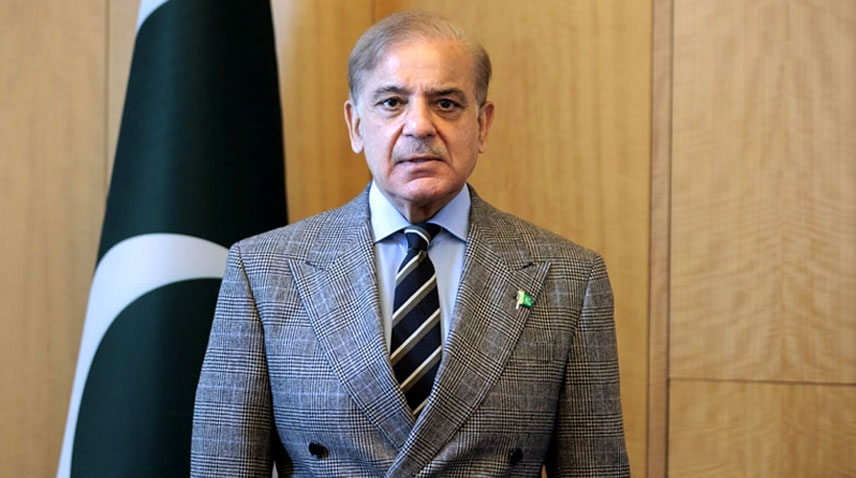
ISLAMABAD: Prime Minister Shehbaz Sharif approved salary deductions ranging from five to thirty percent for employees of state-owned enterprises and autonomous institutions on Saturday, marking a significant step in the government’s austerity drive.
The move was aimed at cushioning Pakistan from the economic repercussions of the ongoing conflict in the Middle East, which has disrupted global fuel markets. The decision came during a high-level review meeting convened by the prime minister at the Prime Minister’s Office. Officials were briefed on the impact of fluctuating fuel prices and the progress of previously announced austerity measures.
The meeting followed a broader announcement by the prime minister earlier this month, in which he outlined wide-ranging savings plans designed to ease the strain on public finances amid the US-Israel-Iran crisis. Among the measures discussed, officials confirmed that a third-party audit would oversee a fifty percent reduction in fuel allocations for government vehicles.
In addition, sixty percent of these vehicles were to remain grounded over the next two months. The meeting also decided that government representatives serving on boards of various corporations and institutions would forgo participation fees, with the resulting savings redirected to public support initiatives.
In a related directive, Prime Minister Shehbaz instructed all Pakistani embassies worldwide to observe March 23 national celebrations with simplicity. He also confirmed that, over the next two months, salaries of cabinet members, ministers, advisers, and special assistants would be allocated to public relief efforts.
A complete ban on foreign visits by government officials and ministers remained in force, with all funds generated from these restrictions channeled towards supporting citizens. Secretaries of relevant ministries were directed to implement and monitor the austerity measures, submitting daily reports to the review committee.
Education institutions shifted to online classes, and public events such as weddings faced strict restrictions. Speed limits on roads were lowered, while schools observed spring holidays with ongoing examinations. Taken together, these measures reflected a determined effort by the government to demonstrate fiscal discipline, ensure the efficient use of public resources, and protect citizens from the wider economic shocks emanating from global conflicts.
#Pakistan #Economy #Austerity #Fuel #Government
