




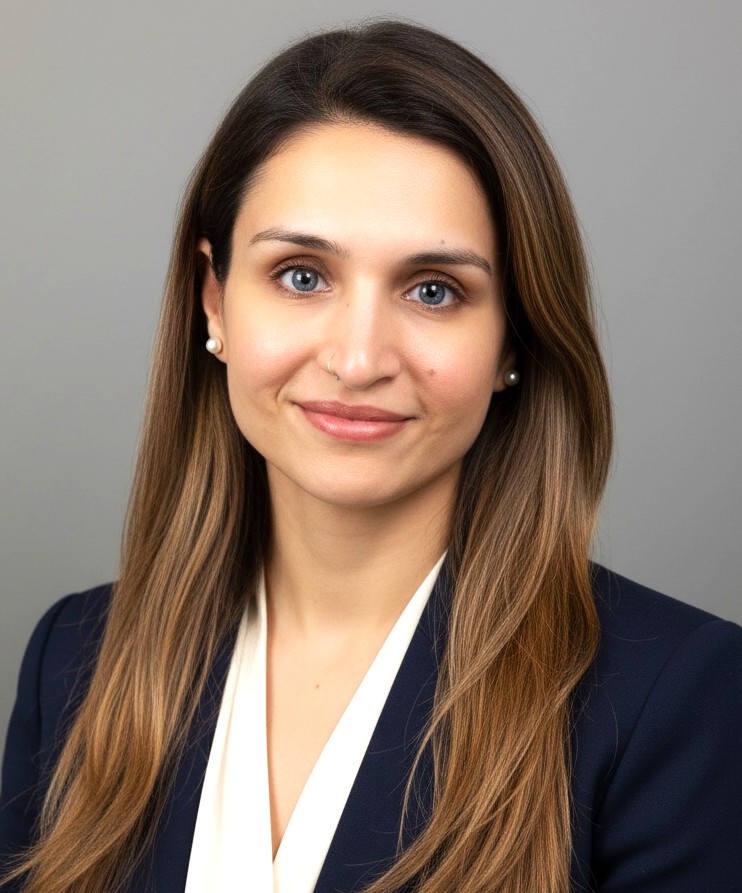
By Alia Zarar Khan
Every year, International Women’s Day arrives, and social media becomes flooded with images, quotes, and videos celebrating “empowered” and “strong” women. The phrase has become almost synonymous with women in professional roles—those who stand behind podiums, lead businesses, or make headlines for their achievements. These accomplishments are undoubtedly remarkable and deserve admiration, yet they often create a narrow and limiting definition of strength. In doing so, they risk overlooking another, quieter form of resilience that exists in homes, in lives lived far from public attention. These are the women who may never have received awards or recognition, yet their impact resonates deeply in the everyday fabric of family and community life.
They are the grandmothers, aunts, sisters, and mothers whose strength lies not in breaking barriers, but in building bridges, quietly navigating life’s relentless tides with patience, dignity, and extraordinary composure. These women may never have challenged societal systems on a public stage, yet they endured them with remarkable grace. Their decisions were shaped by circumstance, upbringing, or personal conviction, yet none of these realities made them weak or less capable. They carried responsibilities they never signed up for, rising every day before the household stirred and resting only long after everyone else had gone to sleep. In moments when they had every right to speak, they often remained silent, choosing to protect fragile family structures rather than assert their own needs.
They sacrificed their emotional well-being, balancing countless roles with a composure that often went unnoticed, yet was quietly transformative. Behind closed doors, however, the picture is far from idyllic. Many women face harsh and unforgiving realities: violence, harassment, emotional abuse, and physical harm inflicted sometimes by those who should have been their protectors. For these women, the home—the place that should have been sanctuary—becomes a space of fear and shame. The resilience demanded in these circumstances is immense, yet it is rarely acknowledged, seldom celebrated in the public imagination of empowerment. A key element often linked with empowerment is financial independence.
There is no doubt that access to money and economic security can provide women with a degree of autonomy, the ability to make choices, and the means to protect themselves. Yet financial stability is not a universal shield against the complex struggles women face. Mental health issues, for instance, affect countless women today, including many who fit the public image of strong, bold, and independent. Anxiety, depression, and exhaustion do not discriminate between those who are financially independent and those who are not. Strength exists in many forms. Beneath every label—empowered, strong, ambitious, or devoted—there is a human being with emotions, vulnerabilities, and complexities.
Recognizing this truth is vital. True progress cannot be measured merely by headlines or professional achievements, nor can it be captured in Instagram posts or motivational slogans. Instead, it requires a society that respects women for the choices they make, whether in the workplace, at home, or somewhere in between. A society that values dignity, safety, and emotional well-being above rigid categories or prescriptive definitions of what a woman should be. Empowerment should not be a competition or a checklist of accomplishments.
Strength is not a single shape or size, and empowerment is not confined to any one form. The true measure of progress lies in creating a society where every woman, irrespective of her choices, feels respected, safe, and valued. Where emotional well-being, dignity, and humanity take precedence over labels, expectations, or social validation. In recognizing the unseen strength of women—the mothers, sisters, daughters, and friends whose courage shapes the everyday—we take a step towards a more inclusive understanding of empowerment. Because the women who do not make headlines, who do not stand behind podiums, are no less extraordinary. Their resilience, quiet and steadfast, is the backbone of society itself, and it is high time that their stories were honored, celebrated, and woven into the narrative of what it truly means to be strong.
(The writer is a law graduate and advocate of the high court in Pakistan, currently based in Saudi Arabia, can be reached at editorial@metro-morning.com)
WomensStrength #Empowerment #Resilience #QuietStrength #EverydayHeroes #WomenAtHome #MentalHealth #Dignity #Safety #FamilyMatters #InvisibleWork #EmotionalWellbeing #GenderEquality #SocialChange #Searchable: #Women
