




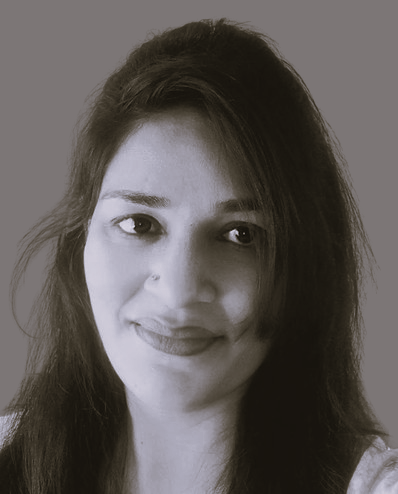
By Uzma Ehtasham
For a government that insists it will not leave its people alone in difficult times, there is rather too much solitude to go around. The prime minister, Shehbaz Sharif, convened a review of public relief measures this week, during which attention turned to petroleum stockpiles. Disbursements, he announced, had begun for public transport and freight vehicles. The economically vulnerable, he said, would receive relief swiftly. However, the gap between such assurances and the lived reality of ordinary Pakistanis grows ever more unbridgeable with each passing day.
Consider the arithmetic of abandonment. First came an increase of 55 rupees per liter. Then 137 rupees and some change. Diesel was jacked up by 187 rupees. The public, predictably, bristled. So the government tried a different maneuver: a reduction of 80 rupees in the petrol price, as if a slight easing of the tourniquet might pass for first aid. However, the storm of inflation, already ferocious, has been given fresh fury. For the common man, life has been made genuinely, measurably narrower.
What makes this harder to bear is the bizarre deflection offered by those in power. Rana Sanaullah, the prime minister’s adviser on political affairs, has declared that the government had no hand in raising petrol prices. If anyone wishes to protest, he suggested, they should direct their anger at the Israeli prime minister instead. One marvels that in the midst of a national crisis, such utterances are what occur to the country’s leadership. The instinct to look anywhere but inward has become something of an art form.
The government says it will practise austerity, save money and redirect those savings to the people. But where is this austerity? We are told that ministers and advisers will forgo their salaries. The public, however, is not naive. It understands that for men and women of enormous wealth – for whom a few hundred thousand rupees a month makes no material difference – waiving a salary is a gesture of negligible consequence. What matters is the informal income, the perks, the privileges that run into millions each month. Every minister, every adviser, every assistant is reportedly already drawing crores through various channels. To forgo a salary against that backdrop is not sacrifice; it is theatre.
And what of the bureaucracy? The allowances showered upon officers at every level are there for all to see. A grade 17 officer already represents a monthly burden of hundreds of thousands of rupees on the national exchequer. As the grades rise, the costs climb into the millions. One is entitled to ask: what is the country getting in return? Then we are told, again, that austerity is being embraced. If the government is serious, it would not replace salaries with speeches. It would dismantle the vast architecture of informal income and excess privileges that cost the nation crores. Take your salaries, by all means – take double, if you wish. But end the other income. The invisible income. The real income.
Pakistan, unfortunately, has no strong, independent institution left to oversee these matters with transparency. No free press with sufficient teeth. No civil society organization that can effectively raise the alarm. International bodies such as the UNDP have pointed out what everyone already knows: billions and trillions in privileges are carved out by the political elite for themselves, while all other institutions and departments are generously provisioned precisely so that no voice of dissent is raised. If all of this were ended, the condition of the people might improve on its own. Perhaps then there would be no need to run to the IMF. But looking at the current trajectory, this IMF program is unlikely to be the last. Not by a long margin.
What is most disheartening of all, perhaps, is the memory of these very leaders when they sat in opposition. Their statements then were altogether different. Today, in power, they have become what they once condemned – and worse. The cycle is as predictable as it is tragic. The people, squeezed between global price hikes wielded as cover and a domestic political class that offers them slogans instead of substance, are left wondering: if not now, when? If not this government, which one?
(The writer is a public health professional, journalist, and possesses expertise in health communication, having keen interest in national and international affairs, can be reached at uzma@metro-morning.com)
